Home Blog Page 3

How Many Grams of Carbs Per Day on Keto? A Science-Backed Guide

0
How Many Grams of Carbs Per Day on Keto?

The ketogenic (keto) diet has become popular for weight loss, improved energy levels, and better mental clarity. But if you’re new, you may wonder, how many grams of carbs per day on keto should you consume? The answer is pivotal in achieving and maintaining ketosis, the metabolic state where your body burns fat for fuel instead of carbs.

This comprehensive guide will demystify carb intake on keto, teach you how to count carbs correctly, and help you succeed in your keto journey while prioritizing your health.
What Is the Keto Diet for Weight Loss?

What Is a Keto Diet?

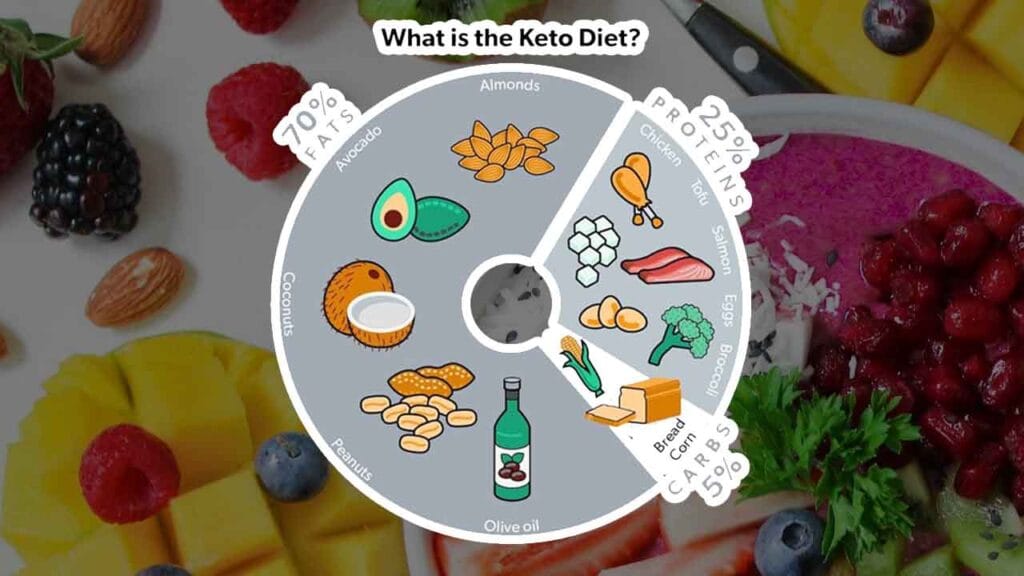
The ketogenic diet focuses on drastically reducing carbohydrate intake while increasing fat consumption and maintaining moderate protein intake. By doing so, your body transitions from using carbs as its primary fuel source to burning fat. This process produces ketones, molecules that supply energy when glucose is scarce.

This metabolic shift is termed ketosis, and it’s behind the keto diet, which has gained recognition for its numerous benefits, including weight loss, appetite control, and even potential improvements in conditions like Type 2 diabetes and epilepsy.

But understanding your carb intake is the foundation of maintaining ketosis.
How Many Grams of Carbs Per Day on Keto?

How Many Grams of Carbs Per Day on Keto?

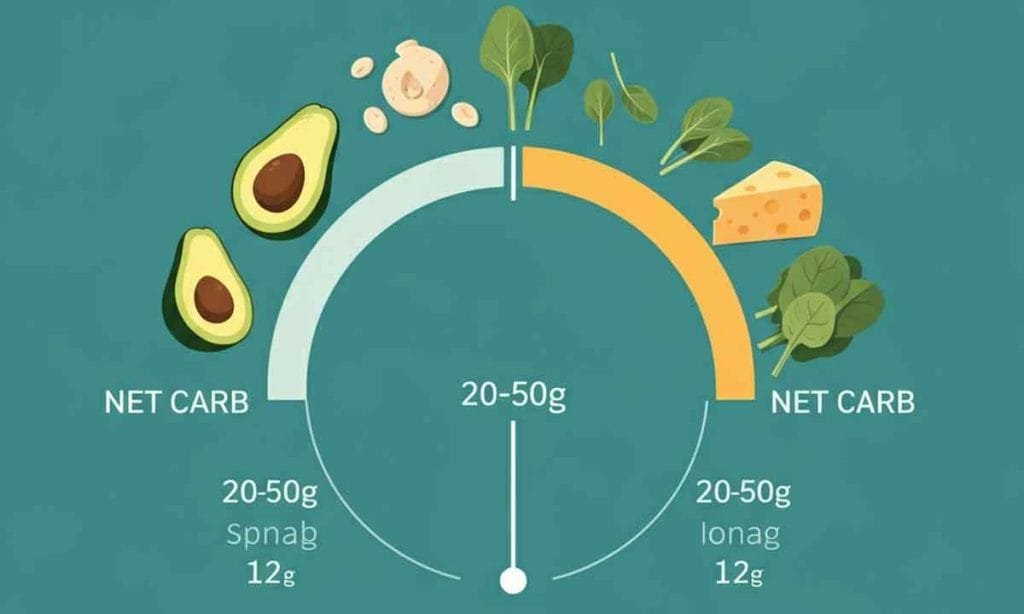
The standard ketogenic diet recommends 20-50 grams of net carbs daily. This range ensures that you limit the glucose available to your body, pushing it to switch to ketones for energy.

Your ideal carb intake depends on age, activity level, body composition, and health goals. Some individuals may achieve ketosis with slightly higher carb limits, while others need stricter constraints.
What Are Net Carbs?

What Are Net Carbs?

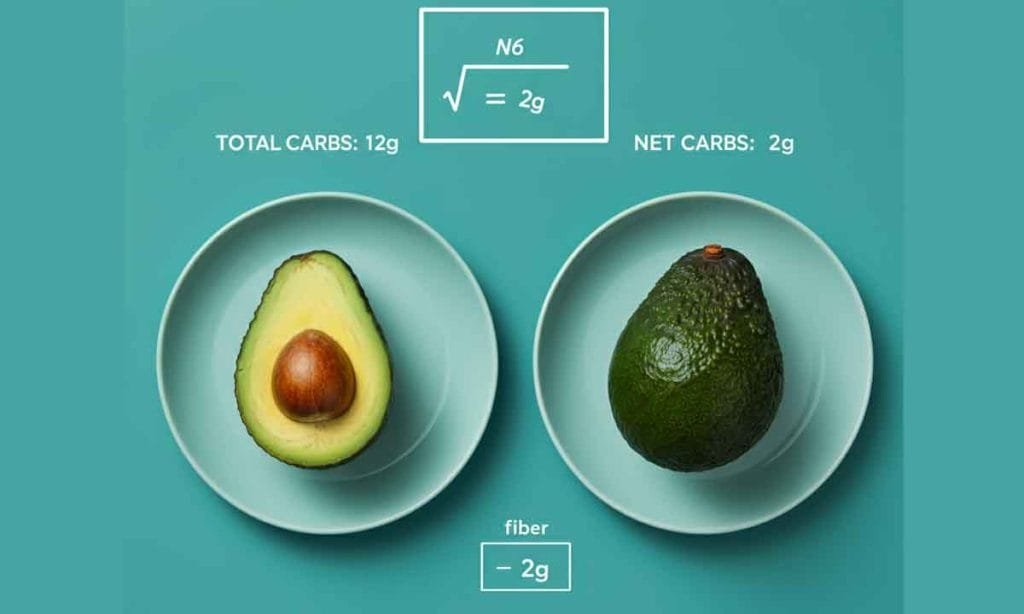
Understanding the concept of “n” t carbs” “s “essenti” l “for tracking carbs effectively. Net carbs represent the total carbohydrates in a food minus the fiber and sugar alcohols. Since fiber and certain sugar alcohols don’t affect blood sugar levels, they don’t count towards your daily carb allowance.

For example:

  • Total carbs in an avocado (1 cup): 12g
  • Fiber content: 10g
  • Net carbs = 12g – 10g = 2g

When calculating net carbs, always check food labels or use a trusted tracking app to ensure accuracy.

Why 20-50 Grams of Carbs?

Why 20-50 Grams of Carbs?

The magic range of 20-50 grams daily is grounded in science. For most people, sticking to this limit ensures that insulin levels remain low and glycogen stores stay depleted, conditions ideal for ketosis. Here’sangeookss like:

  • 20 grams of net carbs/day (strict): Suitable for those with insulin resistance, severe metabolic conditions, or individuals aiming for rapid weight loss.
  • 30-50 grams of net carbs/day (moderate): This range allows for slightly more flexibility while enabling ketosis for most people. It may better suit active individuals or those who prefer a less restrictive plan.

If you’re not getting the results you want, it could mean your carb intake is too high, preventing you from entering ketosis. Testing your ketone levels with urine strips or a blood monitor can provide insight into whether adjustments are needed.
How to Calculate Your Keto Carb Limit

How to Calculate Your Keto Carb Limit

While 20-50 grams is a general guideline, using your macronutrient needs will give you the most personalized and effective keto plan. Here’s how to calculate:

  1. Determine Your Total Caloric Needs. Use an online calculator to determine how many calories you need to maintain or lose weight.
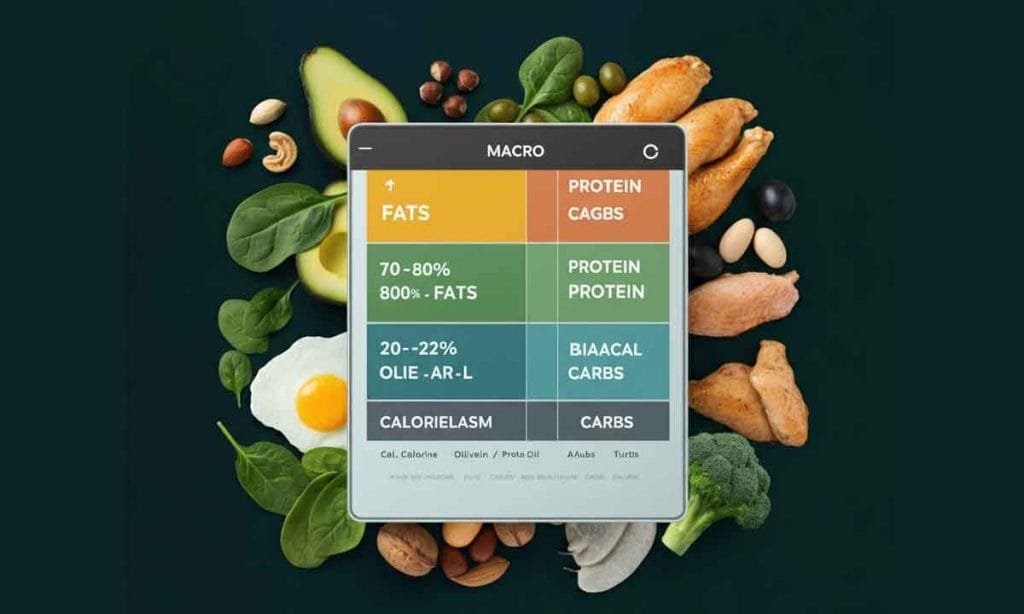
  2. Set a Macronutrient Ratio. The standard keto macronutrient breakdown is:
    • 5-10% carbs
    • 20-25% protein
    • 70-80% fat
  3. Convert Percentage to Grams. For carbs, multiply your total caloric needs by 5% (or 0.05), then divide by 4 (since each gram of carbs contains four calories).
    Example for a 2,000-calorie diet:
    • 2,000 x 0.05 = 100 calories from carbs
    • 100 ÷ 4 = 25 grams of carbs/day

This approach ensures the percentage of carbs you consume aligns with your energy needs and goals.
Types of Carbs to Include on Keto

Types of Carbs to Include on Keto

Not all carbs are created equal. The quality of carbs you choose can impact your health and your adherence to the keto diet.

Best Low-Carb Foods for Keto:

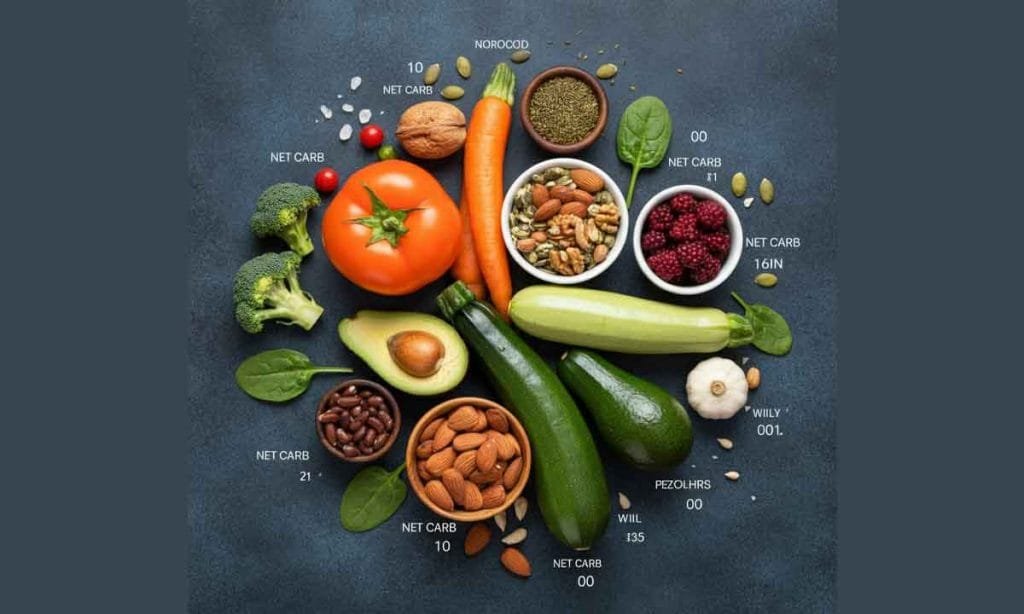
  • Non-starchy vegetables: Leafy greens, broccoli, cauliflower, zucchini
  • Berries: Blueberries, raspberries, blackberries (in moderation)
  • Nuts and seeds: Almonds, walnuts, chia seeds
  • Healthy fats: Avocado, olives
  • Low-carb dairy: Cheese, full-fat Greek yogurt, heavy cream

These foods are packed with nutrients and fiber, helping you stay full and nourished while keeping carb intake low.
Foods to Strictly Avoid

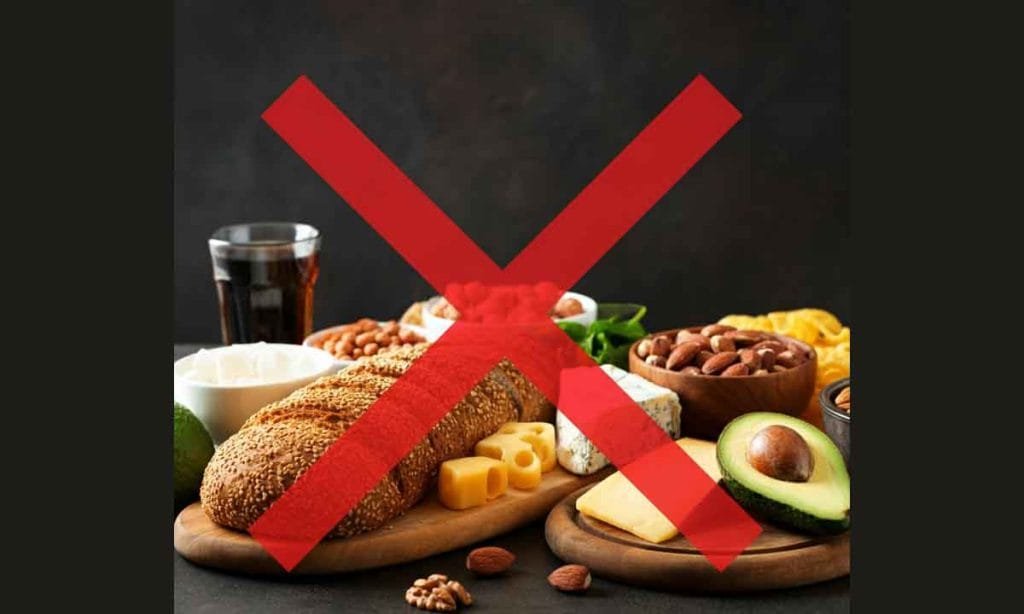
Foods to Strictly Avoid:

  • Sugary foods (soda, cakes, candies)
  • Refined grains (white bread, rice, pasta)
  • Starchy vegetables (potatoes, corn, peas)
  • High-carb fruits (bananas, apples, mangos)

By prioritizing nutrient-dense foods, you’ll maintain your health while supporting your overall health.
Exceptional Cases: Adjusting Carbs for Different Goals

Exceptional Cases: Adjusting Carbs for Different Goals

The standard carb guidelines may need adjustment based on your specific needs or circumstances:

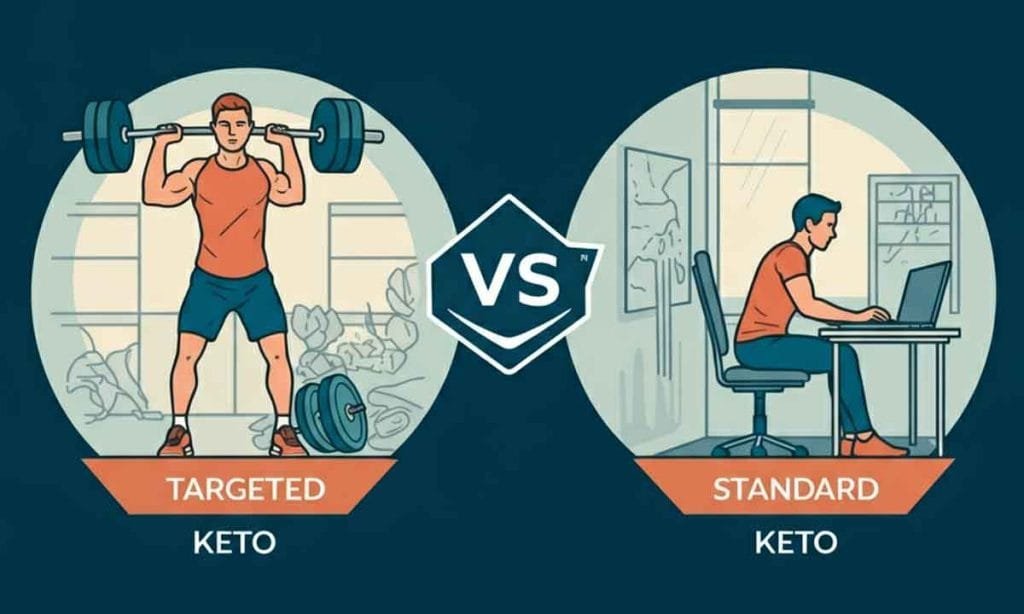
1. Active Individuals:

You’ll allow a targeted diet to die if you diet, especially with high-intensity workouts, a high-intensity approach will enable you to strategically time 20-50 grams of fast-digesting carbs before or after exercise to replenish glycogen without disrupting ketosis.

2. Therapeutic Keto (Medical Conditions):

For therapeutic purposes, such as managing epilepsy or neurological disorders, stricter carb limits (often under 20 grams/day) are typically advised.

3. Keto for Weight Maintenance:

If you’ve achieved your goal and want to maintain your weight while burning fat as fuel, you may expand to a more liberal low-carb diet, consuming up to 100 grams/day. However, this often moves you out of ketosis.

Monitoring your progress and tweaking your carb intake to meet your lifestyle and goals is key to sustained success.

Real-Life Examples of Keto Meals

Real-Life Examples of Keto Meals

Here are a few sample meals and their approximate net carb content:

Breakfast:

  • Keto Omelette: 2 eggs, spinach, mushrooms, cheese
    • Net carbs: 4g

Lunch:

  • Grilled Chicken Salad: Romaine lettuce, olive oil dressing, avocado slices
    • Net carbs: 6g

Dinner:

  • Zucchini Noodles with Pesto and Salmon:
    • Net carbs: 8g

Snack:

  • Handful of almonds (1oz):
    • Net carbs: 2g

These meals are rich in fats, moderate in protein, and low in carbohydrates, which helps you stay in ketosis.
Common Mistakes to Avoid

Common Mistakes to Avoid

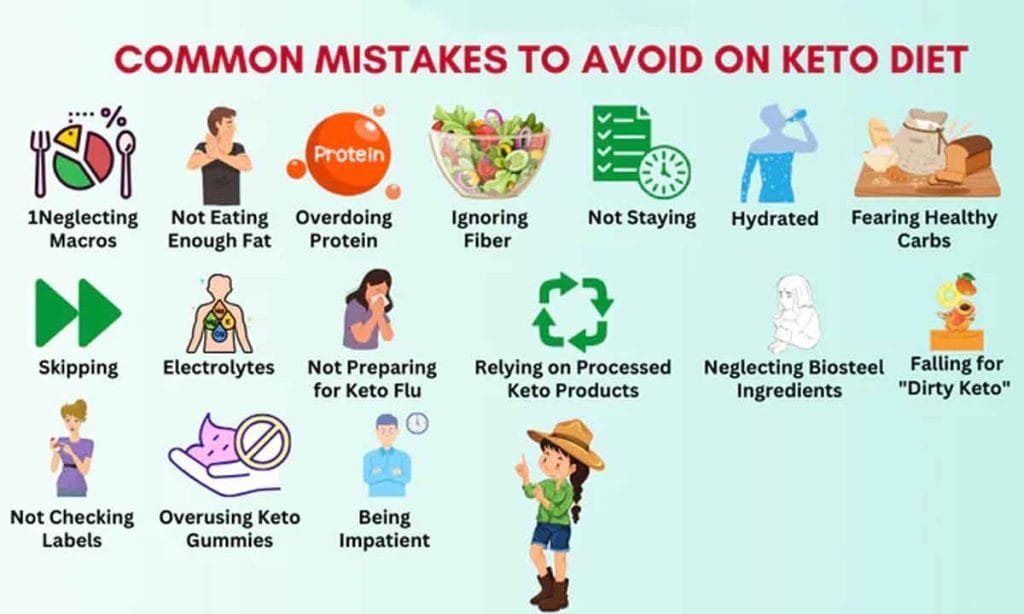
Starting keto can feel overwhelming, so steer clear of these common pitfalls:

  1. Not Reading Labels: Many packaged foods label carbs deceptively. Always check the total and net carbs.
  2. Ignoring Hidden Carbs: Sauces, condiments, or keto-friendly snacks, contain hidden sugars.
  3. Overeating Protein: Excess protein can convert into glucose through gluconeogenesis, potentially kicking you out of ketosis.
  4. Neglecting Micronutrients: Focus on electrolytes like sodium, potassium, and magnesium to avoid keto flu symptoms.

How to Measure Progress

How to Measure Progress

Tracking your progress is key to understanding if your carb intake is proper. Here are tools and techniques:

  • Ketone Testing: Use urine strips or a blood monitor to measure ketones.
  • Food Diary Apps: Apps like MyFitnessPal allow you to log meals and calculate net carbs accurately.
  • Body Measurements: Beyond weight, track changes in body fat percentage, clothing fit, and energy levels.

FAQs About How Many Grams of Carbs Per Day on Keto?

1. What is the recommended daily carb intake on the keto diet?

The standard ketogenic diet recommends 20-50 grams of net carbs daily. This range helps most people enter and maintain ketosis, allowing the body to burn fat for fuel instead of carbs.

2. What are net carbs, and how do I calculate them?

Net carbs are the total carbohydrates in a food minus the fiber and certain sugar alcohols, as these don’t raise blood sugar levels. For instance, a food with 15g of total carbs and 10g of fiber has 5g net carbs.

3. Why is keeping carb intake low important on keto?

Minimizing carbs keeps insulin levels low and depletes glycogen stores, prompting the body to use fat as its primary energy source. This state, called ketosis, is key to reaping the diet’s benefits, such as weight loss and improved energy.

4. Can I eat more than 50 grams of carbs and still be in ketosis?

It depends on your body. Some individuals, especially those highly active, may tolerate slightly more carbs and remain in ketosis. However, for most people, staying under 50 grams is safest to maintain ketosis.

5. What foods should I avoid on keto?

Avoid high-carb foods like:
Sugary snacks (candy, soda, desserts)
Refined grains (white bread, pasta, rice)
Starchy veggies (potatoes, corn, carrots)
High-carb fruits (bananas, apples, mangos)
Stick to low-carb, nutrient-dense options to stay in ketosis.

6. What are some good low-carb food options on keto?

Focus on these:
Non-starchy vegetables (spinach, zucchini, broccoli)
Healthy fats (avocado, olive oil)
Nuts and seeds (almonds, chia seeds)
Low-carb dairy (cheese, heavy cream)
Small portions of berries (blueberries, raspberries)
These foods will help maintain ketosis and provide essential nutrients.

7. Is the keto diet suitable for everyone?

The keto diet may not be ideal for everyone, especially those with certain medical conditions like kidney issues, liver problems, or a history of eating disorders. Pregnant or breastfeeding women and those under certain medications should consult a healthcare professional before starting.

8. How can I tell if I’m in ketosis?

You can test your ketosis levels using:
Urine test strips: Easy and inexpensive but less accurate.
Blood ketone monitors: Provide precise measurements.
Signs of ketosis may include reduced appetite, increased energy, and a distinct “keto breath.”

9. What happens if I go over my daily carb limit?

Exceeding your carb limit can kick you out of ketosis, causing your body to switch back to using glucose for energy. If this happens, return to your carb limit the next day to re-enter ketosis.

10. Can I work out while on keto?

Yes, you can! While your body adjusts (during the first 1-2 weeks), you might feel a dip in performance. After adaptation, many people report improved endurance and steady energy. Active individuals may benefit from the targeted keto diet, which allows small pre- or post-workout carb intakes.

11. What is the “keto flu,” and how can I avoid it?

“Keto flu” refers to temporary symptoms like fatigue, headaches, and irritability during your body’s transition into ketosis. You can minimize this by:
Staying hydrated
Replenishing electrolytes (sodium, potassium, magnesium)
Eating enough healthy fats for energy

12. Do I need to count calories on keto?

Not necessarily! Many people naturally eat fewer calories on keto because high-fat foods are satiating. However, if you’re not reaching your goals, tracking calories alongside carbs might help.

13. Can I follow keto if I’m vegetarian or vegan?

Yes! A plant-based keto diet focuses on low-carb foods like non-starchy vegetables, nuts, seeds, tofu, and plant-based oils (coconut, avocado). It may require more planning to meet protein and fat needs, but it’s possible.

14. How long should I stay on the keto diet?

The duration depends on your goals. Some people adopt keto as a long-term lifestyle, while others use it for short-term weight loss or specific health benefits. Discuss this with a healthcare professional to determine what’s best for you.

15. Can I drink alcohol on keto?

Alcohol can be consumed in moderation, but choose low-carb options like dry wines or spirits (vodka, whiskey) mixed with soda water. Be mindful of your overall carb intake.

16. How do I maintain my weight after keto?

If you reach your goal, transitioning to a more liberal low-carb diet with higher carb intake (up to 100 grams/day) can help maintain your weight while reducing dietary restrictions. Monitor your progress and adjust as needed.

17. Is keto only for weight loss?

No, keto offers other benefits too! It can improve mental clarity, stabilize blood sugar, and potentially manage conditions like Type 2 diabetes and epilepsy. Individuals have also reported better appetite control and steady energy levels.

Wrapping Up: Is Keto Right for You?

The ketogenic lifestyle isn’t one-size-fits-all. While sticking to 20-50 grams of carbs per day on keto works for most people, fine-tuning your intake based on your needs will set you up for long-term success.

Start slow, track your meals, and listen to your body. Soon, ketosis will become second nature. With carb control mastered, you’ll experience all the benefits of the keto diet, from weight loss to enhanced mental performance.

Your Next Step:

Give keto a try by planning tomorrow’s carb, high-fat foods! If you’re sure whether keto is right for you, consult a healthcare provider or a registered dietitian to ensure it aligns with your health goals and medical conditions.

Sources

  1. American Journal of Clinical Nutrition: Ketogenic Diet Study
  2. National Institutes of Health: Keto and Weight Loss
  3. Nutrition & Diabetes: Keto for Blood Sugar Control

CTA: Schedule a consultation with our certified nutritionists today for personalized keto coaching!
Discover the Best Weight Loss Supplements in 2025

0
Best Weight Loss Supplements

Weight loss is a personal journey; finding the proper support can change the game. In today’s guide, we’re diving into the Best Weight Loss Supplements available in 2025. Whether you’re just starting or looking to fine-tune your routine, this article is here to share genuine insights, backed by the latest research and practical experience. We’ll explore 13 standout products, each designed to help boost your metabolism, control cravings, and keep your energy high—all in a way that’s both scientifically sound and easy to understand.

Our Top 13 Weight Loss Supplements Reviewed

Below are detailed, real-world reviews of each supplement. We’ve highlighted what makes each unique, along with their pros, cons, and standout features to help you make the best choice for your health journey.

mitolyn bottle

Overview:
Utilizing natural ingredients to boost metabolism and keep pesky cravings in check, MITOLYN might be the answer if you’re looking for a supplement rooted in science and natural wellness.

What You’ll Love:

  • Natural Ingredients: Made with plant-based compounds that support your body’s natural functions.
  • Energy Boost: Helps energize you so you can power through your day.
  • Appetite Control: Designed to help curb cravings, making healthy eating easier.

Things to Consider:

  • Not ideal if you have specific allergies.
  • Only available online.

Why It Stands Out:
MITOLYN’s blend of natural, research-backed ingredients makes it a trusted choice among the Best Weight Loss Supplements for anyone serious about sustainable health improvements.

Java Burn Packed

Overview:
Imagine supercharging your morning coffee—Java Burn does just that. This supplement mixes right into your cup, pairing caffeine with a potent fat-burning formula to kick-start your daily metabolism.

What You’ll Love:

  • Seamless Integration: Perfect for coffee lovers.
  • Fat-Burning Boost: Supports your body’s natural fat metabolism.
  • Steady Energy: Keeps you alert and active without the crash.

Things to Consider:

  • Not suitable if you’re very sensitive to caffeine.
  • Results can vary based on your tolerance.

Why It Stands Out:
Java Burn transforms your daily coffee ritual into a wellness boost, making it a unique addition to the Best Weight Loss Supplements list.

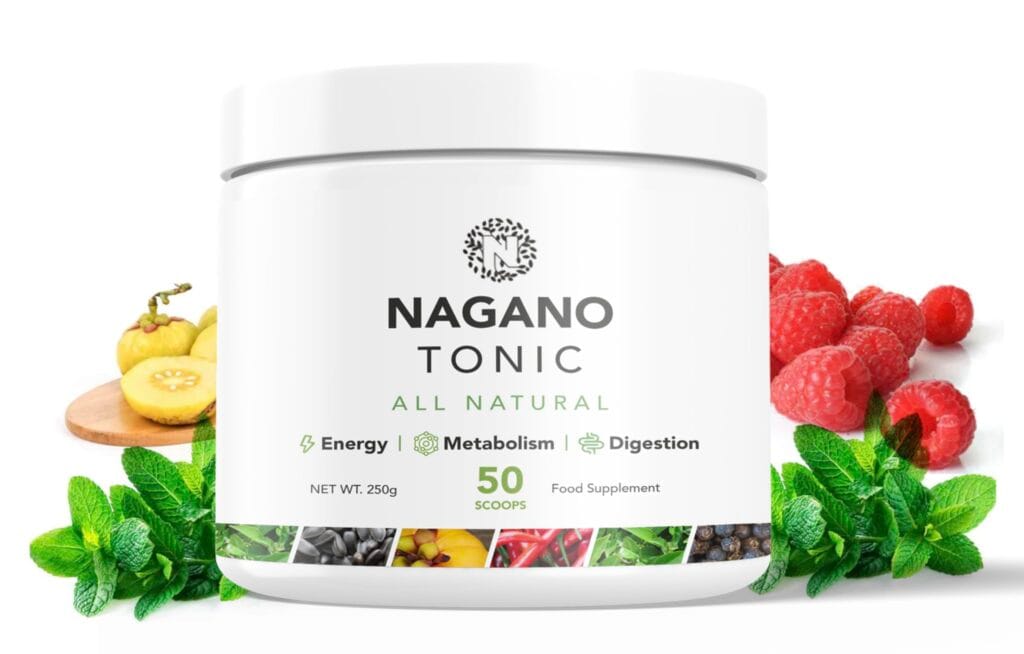
Nagano Tonic Bottle

3. Nagano Tonic

Overview:
Nagano Tonic takes a holistic approach to weight loss. It is designed to detoxify the system, support metabolism, and maintain digestive health—all essential for successful weight management.

What You’ll Love:

  • Detox Benefits: Helps flush out toxins that can slow you down.
  • Natural Metabolism Boost: Supports a healthy metabolic rate.
  • Digestive Support: A healthier gut means better nutrient absorption.

Things to Consider:

  • Its liquid form may not be everyone’s cup of tea.
  • Consistent use is key to seeing the best results.

Why It Stands Out:
Nagano Tonic’s focus on detox and metabolism gives it a unique edge among the Best Weight Loss Supplements, especially for those who prefer a natural, holistic route.

Sumatra Slim Belly Tonic

4. Sumatra Slim Belly Tonic

Overview:
If stubborn belly fat is your challenge, Sumatra Slim Belly Tonic is formulated with you in mind. This tonic combines natural fat burners and metabolism boosters to help trim your midsection.

What You’ll Love:

  • Targeted Belly Fat Reduction: Specially designed to focus on abdominal fat.
  • Boosted Metabolism: Helps increase the rate at which your body burns calories.
  • Antioxidant Support: Fights oxidative stress that can hinder weight loss.

Things to Consider:

  • It may take a bit of time to notice dramatic changes.
  • Some users may experience minor digestive sensitivity.

Why It Stands Out:
Sumatra Slim Belly Tonic is a standout option among the Best Weight Loss Supplements. It’s focused, natural approach is ideal for anyone battling stubborn belly fat.

LIV PURE

5. Liv Pure

Overview:
Liv Pure targets liver health—an essential, often overlooked part of weight loss. By helping your liver detoxify and function efficiently, Liv Pure supports overall metabolism and energy levels.

What You’ll Love:

  • Liver Detox: Supports your liver’s natural detoxification processes.
  • Enhanced Metabolism: A healthy liver can boost your body’s fat-burning capacity.
  • All-Natural Formula: Relies on herbs and antioxidants to work its magic.

Things to Consider:

  • The results might depend on your current liver health.
  • Regular use is necessary to see consistent benefits.

Why It Stands Out:
Liv Pure is unique because it emphasizes liver health, making it a top pick among the Best Weight Loss Supplements for those looking for a holistic approach.

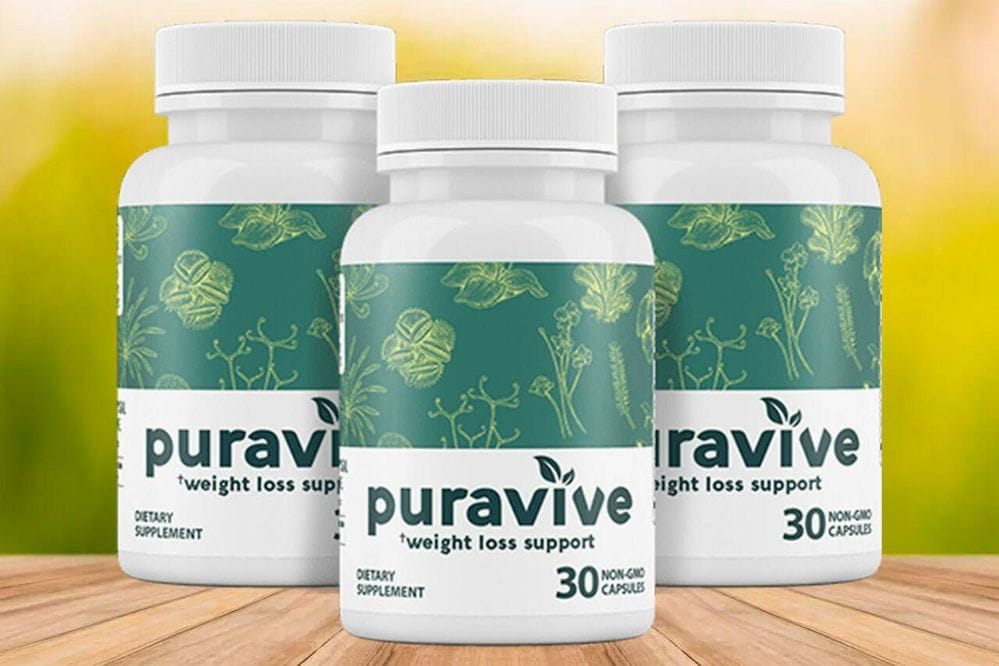
Puravive

6. Puravive

Overview:
Puravive is tailored for those who face weight loss challenges due to inflammation. Its natural ingredients work to reduce inflammation while supporting a healthy metabolism.

What You’ll Love:

  • Inflammation Reduction: Helps lower chronic inflammation, a common barrier to weight loss.
  • Metabolic Boost: Enhances your body’s natural ability to burn fat.
  • Steady Energy: Supports a more consistent energy flow throughout the day.

Things to Consider:

  • Might be less effective if inflammation isn’t a concern.
  • Requires regular, consistent use for best results.

Why It Stands Out:
Puravive’s dual-action approach of reducing inflammation and boosting metabolism makes it a unique candidate among the Best Weight Loss Supplements.

LeanBiome

7. LeanBiome

Overview:
LeanBiome focuses on gut health—a critical piece of the weight loss puzzle. Balancing your gut flora improves digestion and supports a smoother metabolism.

What You’ll Love:

  • Gut Health Focus: Packed with probiotics and prebiotics for a happy digestive system.
  • Improved Digestion: Helps your body absorb nutrients more efficiently.
  • Long-Term Benefits: Supports lasting changes in your metabolic health.

Things to Consider:

  • Balancing gut bacteria takes time.
  • It is not designed for quick fixes but rather long-term improvements.

Why It Stands Out:
LeanBiome offers a fresh take on weight loss by targeting gut health, making it one of the Best Weight Loss Supplements for those interested in a more comprehensive wellness approach.

Ikaria Juice

8. Ikaria Juice

Overview:
Inspired by the longevity secrets of Ikaria, Greece, Ikaria Juice blends natural antioxidants with metabolism-boosting ingredients to support weight loss and overall well-being.

What You’ll Love:

  • Antioxidant Power: Helps fight free radicals and boost cellular health.
  • Natural Fat Burner: Supports the body’s ability to burn fat naturally.
  • Easy-to-Drink: A liquid formula that’s simple to incorporate into your day.

Things to Consider:

  • The liquid form might not suit everyone.
  • Results can differ based on individual metabolism.

Why It Stands Out:
Ikaria Juice merges ancient wellness traditions with modern science, making it a top contender among the Best Weight Loss Supplements for anyone seeking a natural, holistic option.

ElectroSlim

9. ElectroSlim

Overview:
ElectroSlim offers a fresh perspective by focusing on both hydration and fat burning. It helps keep your electrolytes in balance while giving your metabolism the support it needs to function at its best.

What You’ll Love:

  • Balanced Hydration: Keeps you well-hydrated, which is key when you’re active.
  • Fat-Burning Formula: Boosts your body’s ability to turn food into energy.
  • Consistent Energy: Helps maintain a steady energy level through the day.

Things to Consider:

  • It’s essential to monitor your dosage to avoid electrolyte imbalances.
  • Best suited for those with an active lifestyle.

Why It Stands Out:
ElectroSlim’s dual focus on hydration and metabolism makes it a smart pick among the Best Weight Loss Supplements for anyone who lives an active, energetic life.

Tea Burn

10. Tea Burn

Overview:
Tea Burn uses tea extracts’ familiar, comforting benefits to boost your metabolism naturally. It’s like giving your body a gentle nudge towards fat burning while you enjoy your daily cup of tea.

What You’ll Love:

  • Natural Ingredients: Harnesses the benefits of green tea and other potent extracts.
  • Metabolic Kick: Encourages a higher metabolic rate for more effective fat loss.
  • Smooth Energy: Offers a balanced boost without the jitters of more potent stimulants.

Things to Consider:

  • It has a caffeine content that may not suit everyone.
  • Regular, daily use is essential for lasting benefits.

Why It Stands Out:
Tea Burn is a familiar friend in Best Weight Loss Supplements, blending tradition with modern science to help you shed unwanted pounds naturally.

CARBOFIRE

11. CARBOFIRE

Overview:
CARBOFIRE zeroes in on carbohydrate metabolism, helping your body efficiently convert carbs into energy rather than storing them as fat. It’s perfect for anyone whose diet includes plenty of carbs.

What You’ll Love:

  • Carb Metabolism: Supports the efficient use of carbohydrates.
  • Energy Conversion: Helps turn food into usable energy.
  • Plant-Based Ingredients: Focuses on natural, wholesome components.

Things to Consider:

  • Not a magic bullet—diet and exercise still play a significant role.
  • Takes time to see measurable changes in energy levels.

Why It Stands Out:
CARBOFIRE’s targeted approach makes it a standout choice among the Best Weight Loss Supplements for anyone looking to optimize their carb-heavy meals.

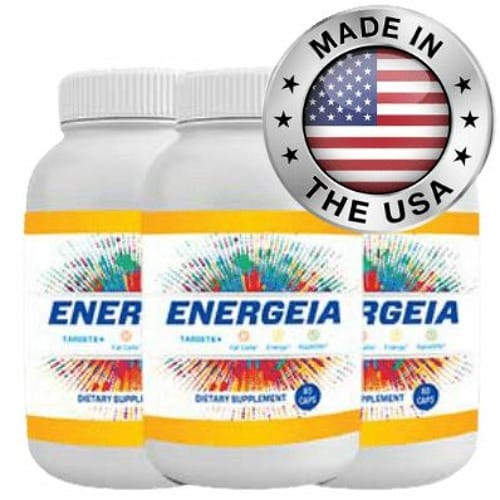
MY ENERGEIA

12. MY ENERGEIA

Overview:
MY ENERGEIA is crafted to give you that extra energy boost while keeping your metabolism in top shape. It’s designed for busy people who want to stay active and maintain their weight loss efforts.

What You’ll Love:

  • Energy Boost: Provides a gentle, sustained increase in energy.
  • Metabolic Support: Aids your body in burning calories more efficiently.
  • Holistic Benefits: Supports overall well-being with a blend of natural ingredients.

Things to Consider:

  • It might not be potent enough for rapid weight loss.
  • Results can vary based on your metabolism.

Why It Stands Out:
MY ENERGEIA offers a balanced and natural energy lift, earning its place among the Best Weight Loss Supplements for those juggling a busy lifestyle.

Okinawa Flat Belly Tonic

13. Okinawa Flat Belly Tonic

Overview:
Inspired by the long-lived people of Okinawa, Japan, this tonic combines traditional wisdom with modern science. It’s specifically designed to target belly fat while supporting a healthy metabolism.

What You’ll Love:

  • Traditional Wisdom: Uses ingredients inspired by Okinawan diets.
  • Focused Belly Fat Reduction: Aims directly at stubborn abdominal fat.
  • Antioxidant Rich: Combats oxidative stress to support overall health.

Things to Consider:

  • Requires regular use for best results.
  • Some may experience mild digestive changes at first.

Why It Stands Out:
Okinawa Flat Belly Tonic blends cultural insights with scientific research, making it a compelling choice among the Best Weight Loss Supplements for those who want a natural, time-tested approach.


Frequently Asked Questions

  1. What are the Best Weight Loss Supplements in 2025?

    In 2025, various supplements are making waves for their science-backed formulations and natural ingredients. Our top picks include MITOLYN, Java Burn, Nagano Tonic, Sumatra Slim Belly Tonic, Liv Pure, Puravive, LeanBiome, Ikaria Juice, ElectroSlim, Tea Burn, CARBOFIRE, MY ENERGEIA, and Okinawa Flat Belly Tonic. Each offers unique benefits—from boosting metabolism to reducing stubborn belly fat—so there’s something for every weight loss journey.

  2. How do these weight loss supplements work?

    These supplements work in several ways. Some, like MITOLYN and Java Burn, boost your metabolism and control your appetite, while others, such as Nagano Tonic and Liv Pure, focus on detoxification and support liver health. Others, such as LeanBiome, target gut health, which is essential for nutrient absorption and metabolism. The idea is to complement a balanced diet and regular exercise with natural ingredients that enhance your body’s fat-burning processes.

  3. Are weight loss supplements safe to use?

    Most weight loss supplements are formulated with natural ingredients and are safe when used as directed. However, it’s important to remember that individual results may vary. Always check the ingredient list for potential allergens and consult with a healthcare provider—especially if you have pre-existing health conditions or are taking other medications.

  4. Can I see results without changing my diet or exercise routine?

    Supplements are designed to complement a healthy lifestyle. While they can boost your weight loss efforts, they aren’t a magic solution. Combining these supplements with a balanced diet and regular physical activity is key to achieving and maintaining results.

  5. How long does it take to notice results from these supplements?

    The time frame for seeing results can vary depending on your body, lifestyle, and supplement choice. Generally, it may take a few weeks of consistent use to notice improvements in energy levels, appetite control, or metabolism. Patience and persistence, alongside healthy habits, are essential for success.

  6. Are there any side effects associated with these supplements?

    Most users experience minimal side effects, especially when following the recommended dosage. However, some individuals might experience mild digestive discomfort or sensitivity—particularly with caffeine-based supplements like Java Burn or Tea Burn. If you notice any adverse effects, discontinue use and consult with your healthcare provider.

  7. Is it safe to combine these supplements with my current medications?

    It’s always best to consult with a healthcare professional before adding any new supplement to your regimen, especially if you’re taking prescription medications. A doctor can help ensure that there are no potential interactions and that the supplement is safe for your unique health needs.

  8. How do I choose the right supplement for my needs?

    Consider your specific health goals. For example, if you’re looking to boost metabolism and control appetite, MITOLYN or Java Burn might be a great fit. If you’re focused on detox or liver health, Liv Pure could be beneficial. Read product reviews, check the ingredients, and consult a healthcare provider to find the best match for your lifestyle and goals.


Conclusion

In 2025, there are plenty of exciting options for weight loss supplements. Whether it’s the natural boost from MITOLYN, the coffee-enhanced fat burn of Java Burn, or the ancient wisdom of Okinawa Flat Belly Tonic, each product offers unique benefits. Remember, supplements work best with a balanced diet, regular exercise, and a healthy lifestyle.

Take a closer look at these options, try the one that fits your needs, and enjoy the journey to a healthier, happier you. Always consult with a healthcare provider before starting any new supplement routine.


Sources

This article is intended for informational purposes only. All product reviews and affiliate links have been included to assist you in making informed decisions. Always seek personalized advice from a qualified healthcare professional before beginning any supplement regimen.

Is Dark Chocolate Keto-Friendly? A Complete Guide to Keto Chocolate

0
Keto Chocolate

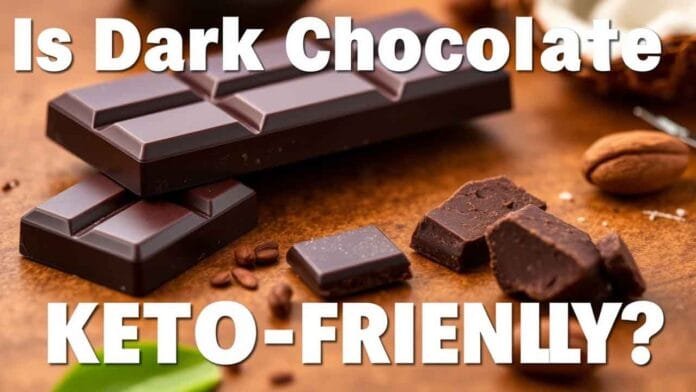
If you’re navigating the ketogenic lifestyle, you’re probably on the lookout for treats that align with your low-carb, high-fat approach. One burning question that often arises is this: Is dark chocolate keto-friendly? The good news is that dark chocolate can be part of your keto lifestyle—when consumed with care. Please keep reading to uncover the secrets of keto chocolate, how to fit it into your diet, and maximize its health benefits.

What Makes Chocolate Keto-Friendly?

What Makes Chocolate Keto-Friendly?

The ketogenic, or “keto,” diet emphasizes reducing carbs drastically while increasing healthy fats to shift your body into ketosis, a state where fat becomes the primary energy source. With that in mind, keto chocolate must meet these two conditions:

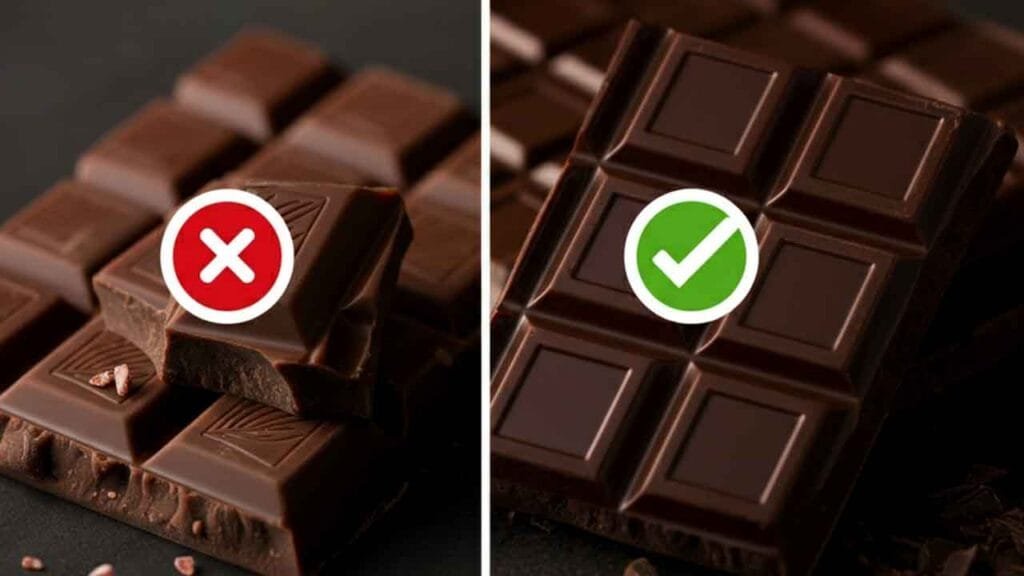
  1. Low in Net Carbs: Not all chocolate qualifies as keto-friendly. Traditional milk chocolate has high sugar content, which spells disaster for ketosis. Dark chocolate, specifically with a cocoa content of 70% or higher, contains less sugar and more antioxidants, making it a better option. However, you must still read labels carefully to ensure the carb content aligns with your daily keto limits.
  2. Minimal Additives: The best keto chocolate options exclude harmful additives like artificial sweeteners, sugar alcohols that trigger digestive upset, or unnecessary fillers.
The Science Behind Dark Chocolate and Keto

The Science Behind Dark Chocolate and Keto

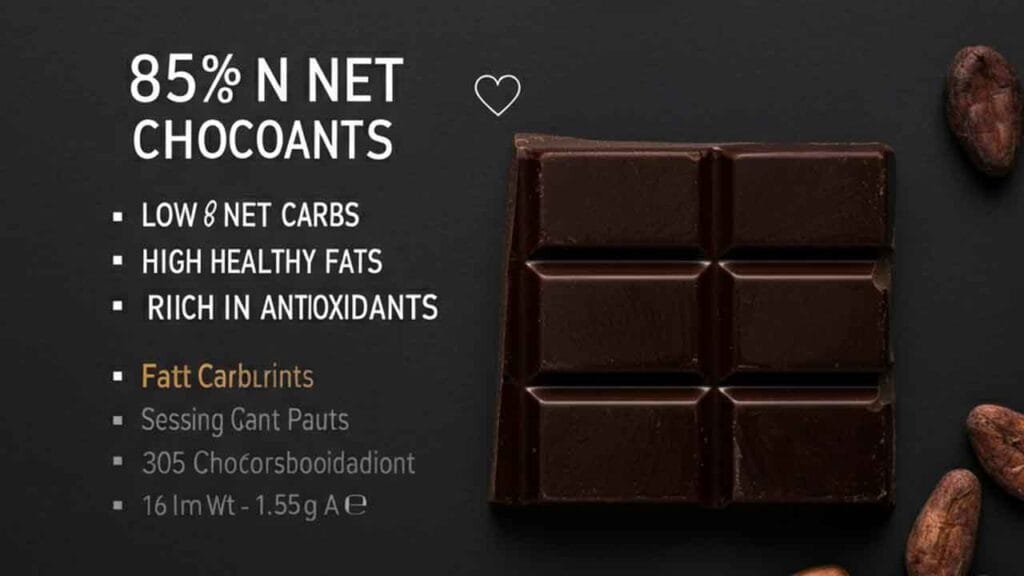
Dark chocolate stands out for its nutritional profile compared to milk or white chocolate. High-quality dark chocolate (80% cocoa or more) contains minimal carbs, healthy fats, and beneficial compounds like flavonoids and polyphenols that support heart health. Here’s why it fits into the keto diet:

  • Net Carbs Count: A one-ounce serving of 70–85% dark chocolate contains around 10–12 grams of total carbs, with roughly 3 grams of fiber, leaving you with about 7–9 grams of net carbs. This amount should be consumed cautiously for stricter keto dieters but can fit within your daily carbs allowance.
  • Healthy Fats: Dark chocolate is also an excellent source of good fats, such as oleic acid, which can complement your macros.
  • Low Glycemic Index: Foods with a high glycemic index tend to spike blood sugar levels, kicking you out of ketosis. Dark chocolate has a lower glycemic index, making it more keto-friendly than sugary candies.
Benefits of Keto Chocolate

Benefits of Keto Chocolate

Dark chocolate isn’t just a luxurious treat—it comes with benefits for keto dieters. Here are a few reasons to indulge responsibly:

1. Rich in Antioxidants

Cocoa is packed with flavonoids, a powerful type of antioxidant. These antioxidants can fight inflammation, improve brain function, and even help lower blood pressure.

2. Heart Health Booster

Studies suggest that dark chocolate can improve heart health by increasing “good” HDL cholesterol and reducing “bad” LDL cholesterol. This balance supports cardiovascular wellness and is critical for long-term success on keto.

3. Enhances Mental Clarity

The polyphenols in dark chocolate may also protect brain cells and improve mental performance. This is particularly relevant when you’re first adapting to the keto diet and experiencing brain fog.

4. Satisfies Sweet Cravings

If you’re starting on keto, sweet cravings can feel impossible to ignore. Keto chocolate offers a guilt-free way to indulge without sabotaging your progress.

Choosing the Best Keto Chocolate

Choosing the Best Keto Chocolate

Not all dark chocolate is made equal. To ensure you’re selecting a truly keto-friendly option, follow these tips:

1. Look at Cocoa Percentage

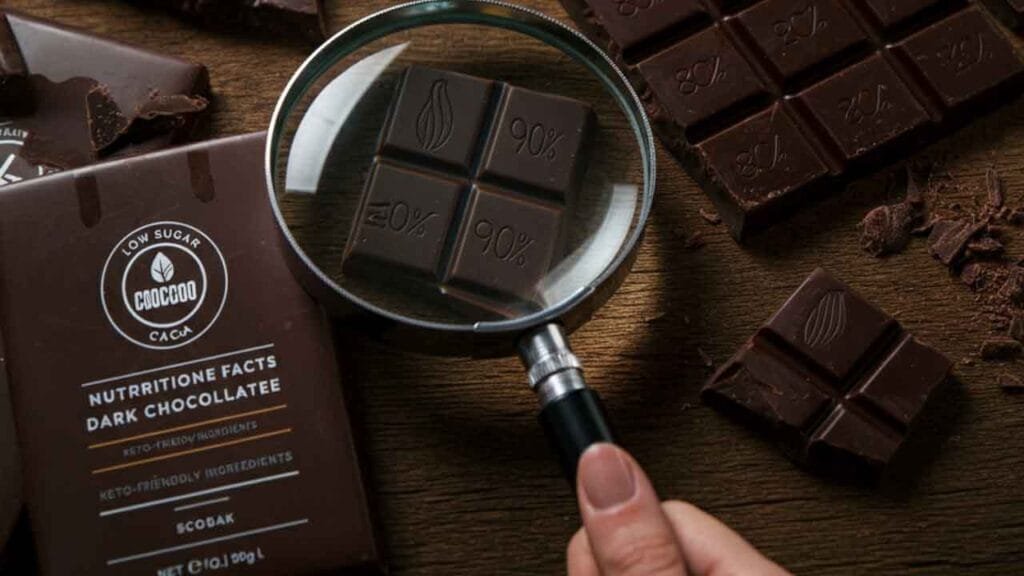
Choose dark chocolate with at least 70% cocoa content, though 85% or higher is preferable for keeping sugar levels low.

2. Check Carbs per Serving

Read nutrition labels carefully. Aim for options with less than 5 grams of net carbs per serving.

3. Avoid Added Sugars

Skip chocolates that include cane sugar, syrups, or artificial sweeteners like maltitol, which still impact blood sugar.

4. Opt for Natural Sweeteners

Keto chocolates sweetened with erythritol, stevia, or monk fruit are excellent alternatives. These sweeteners add no significant carbs and won’t interfere with ketosis.

5. Consider Organic and Unsweetened Choices

Organic chocolates or plain unsweetened cocoa nibs are excellent choices. They contain little to no sugar while packing all the benefits of cocoa.

Incorporating Keto Chocolate into Your Diet

Incorporating Keto Chocolate into Your Diet

Here’s how you can enjoy keto chocolate without overindulging or breaking ketosis:

Snack Smartly

Stick to 1–2 small squares of keto chocolate as a snack or dessert. This minimizes your carb intake while satisfying that occasional sweet tooth.

Add to Recipes

Dark chocolate melts quickly and can be used creatively in keto recipes. Examples include:

  • Keto Chocolate Mousse: Combine unsweetened cocoa powder, heavy cream, and a keto-approved sweetener for a creamy, low-carb dessert.
  • Chocolate Fat Bombs: Pair melted dark chocolate with coconut oil, peanut butter, or cream cheese to create bite-sized, high-fat snacks.
  • Low-Carb Trail Mix: Mix cocoa nibs with nuts and seeds for an on-the-go keto-friendly option.

Pair It with Healthy Fats

Pair dark chocolate with high-fat foods, such as almond butter or cream, to stabilize your blood sugar levels and make it even more keto-compliant.

Keto Chocolate Brands to Try

Keto Chocolate Brands to Try

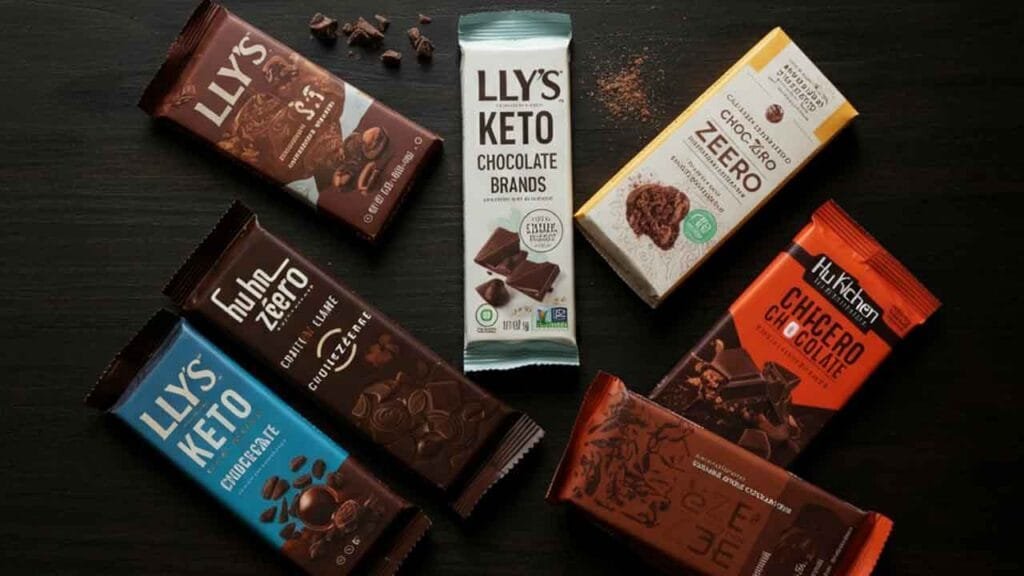
Navigating the sea of chocolate brands can be overwhelming. To make your life easier, check out these popular keto chocolate options:

  1. Lily’s Chocolate: Sweetened with stevia and erythritol, Lily’s offers a range of keto-approved dark chocolate bars and baking chips.
  2. ChocZero: This brand avoids sugar alcohols and uses monk fruit as a natural sweetener. They have a selection of bars, syrups, and even bark.
  3. Alter Eco Organic Dark Chocolate: While not specifically keto, the higher cocoa percentage makes it an excellent low-carb choice in moderation.
  4. Hu Kitchen Chocolate: Made with clean ingredients, Hu’s dark chocolate blends simplicity with keto compatibility.
Beware of Pitfalls with Dark Chocolate on Keto

Beware of Pitfalls with Dark Chocolate on Keto

While keto chocolate can be a fantastic addition to your diet, there are some pitfalls to watch out for:

Overeating

Dark chocolate is calorie-dense. If you don’t practice portion control, you can easily exceed your calorie or carb limit.

Choosing the Wrong Type

Milk chocolate or low-cocoa chocolates sneaked into your pantry can derail your progress. Always verify the ingredient list before indulging.

Digestive Issues

Some people experience bloating or discomfort with certain sweeteners, such as maltitol or xylitol. Test small amounts first.

Impact on Ketosis

If you’re closely monitoring ketosis, keep track of your macros after indulging in keto chocolate to ensure it doesn’t hinder your goals.

FAQs About Keto Chocolate and Dark Chocolate on the Keto Diet

1. Is dark chocolate allowed on a keto diet?

Yes, dark chocolate can be included in a keto diet but only if it has a high cocoa content (preferably 70% or higher) and is low in sugar. Dark chocolate with minimal carbs allows you to enjoy a treat without exceeding your daily carb limit.

2. What is keto chocolate?

Keto chocolate refers to chocolate products crafted explicitly for low-carb diets. They usually contain high cocoa percentages and are sweetened with keto-friendly alternatives like stevia, erythritol, or monk fruit instead of sugar.

3. How much dark chocolate can I eat on keto?

The amount depends on your daily carb limit. For example, one or two small squares (about 10–15 grams) of high-cocoa, low-sugar dark chocolate usually contain 2-4 grams of net carbs, making it a safe occasional treat.

4. What should I look for when choosing keto chocolate?

Check the cocoa percentage—aim for 70% or higher. Also, scrutinize the carb count and ensure it’s low (preferably under 5 grams per serving). Look for chocolates sweetened with sugar-free, keto-friendly sweeteners.

5. What are the health benefits of eating dark chocolate on keto?

Dark chocolate contains antioxidants like flavanols, which support heart health, improve blood sugar control, and reduce inflammation. It’s also a source of magnesium, an essential mineral often lacking in ketogenic diets.

6. Can I eat milk chocolate on a keto diet?

Generally, no. Milk chocolate typically contains more sugar and fewer cocoa solids, meaning it has a much higher carb content, which doesn’t fit keto guidelines.

7. Are there any keto-friendly dark chocolate brands?

Yes, several brands offer keto chocolate options. Look for brands such as Lily’s, ChocZero, and Hu Kitchen, which provide low-carb and sugar-free dark chocolate varieties suitable for ketogenic diets.

8. Can dark chocolate kick me out of ketosis?

It depends on the quantity and type. Eating too much chocolate with a high carb content can surpass your daily carb allowance and kick you out of ketosis. Stick to portion-controlled amounts of keto-friendly chocolate to stay on track.

9. How can I add dark chocolate to my keto recipes?

Dark chocolate can be melted and used in keto desserts like fat bombs, low-carb brownies, or sugar-free chocolate bark. You can chop it up as a topping for keto pancakes, yogurt, or smoothies.

10. Does dark chocolate have any hidden carbs?

Some dark chocolates, especially those with less than 70% cocoa, may contain hidden sugars and carbs from additives. Always read the nutrition label to ensure it aligns with your keto goals.

11. What is the best time to eat keto chocolate?

The best time to enjoy keto chocolate is as a post-meal treat or midday snack, helping to curb cravings without compromising your macro targets.

12. Can I eat chocolate chips on a keto diet?

Yes, but make sure they are specifically labeled keto-friendly. Chocolate chips like those from Lily’s or other brands sweetened with sugar-free alternatives work well in low-carb recipes. Traditional chocolate chips, however, contain too much sugar.

Feel free to experiment with keto chocolate in moderation and discover how it fits into your Keto lifestyle!

Final Thoughts on Keto Chocolate

To answer the big question—is dark chocolate keto-friendly? Yes, it can be, provided you choose high-quality options, watch your portions, and track your macros. Incorporating keto chocolate into your diet allows you to savor a delicious and healthful treat without compromising your goals.

Call to Action

Looking to add variety to your keto lifestyle? Try experimenting with homemade keto desserts or grab your favorite keto-friendly chocolate brand today. Don’t forget to share your favorite ways to enjoy keto chocolate in the comments below—your tips may inspire others to indulge responsibly!

Sources

Keto Diet for Weight Loss: How to Start Your Keto Journey

0
Keto Diet for Weight Loss

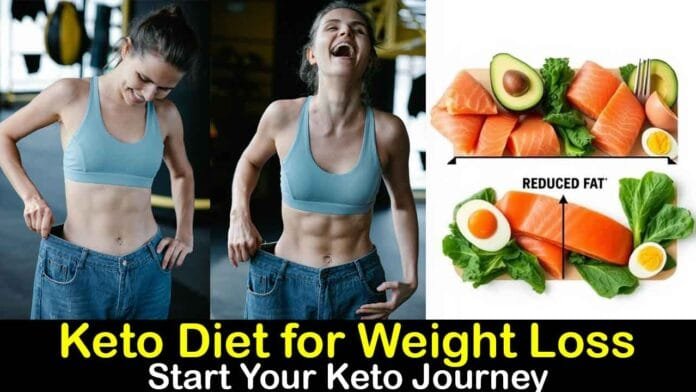
A keto diet for weight loss has become one of the most popular weight management strategies in recent years. By drastically reducing carbohydrate intake and emphasizing healthy fats and moderate protein, this diet shifts your body into ketosis. In this metabolic state, fat is burned for fuel instead of carbohydrates. In this comprehensive guide, we’ll explain the keto diet and why it can be effective for weight loss. We’ll also provide actionable steps to start your keto journey safely.

Table of contents
  1. What Is the Keto Diet for Weight Loss?
  2. The Benefits of a Keto Diet for Weight Loss
  3. How to Start a Keto Diet for Weight Loss: A Step-by-Step Guide
  4. Tips for Success on a Keto Diet for Weight Loss
  5. Potential Side Effects and Considerations
  6. Making the Keto Diet Work for You
  7. Real-Life Success Stories and Expert Insights
  8. Frequently Asked Questions (FAQs) About the Keto Diet for Weight Loss
  9. Conclusion
  10. Sources and References

What Is the Keto Diet for Weight Loss?

The keto diet is a low-carbohydrate eating plan designed to induce ketosis. When you consume very few carbohydrates—typically less than 50 g—your body’s glucose reserves dwindle. As a result, the liver converts stored fat into ketones, becoming the primary energy source for your body and brain. This metabolic shift can help reduce body fat, support better blood sugar regulation, and promote weight loss.

How Ketosis Works

  • Carbohydrate Restriction: Cutting carbs forces your body to search for alternative energy sources.
  • Fat as Fuel: With limited carbs, fat becomes an energy source.
  • Ketone Production: The liver produces ketones that help maintain energy levels while burning fat.

By entering ketosis, many individuals experience reduced hunger, increased satiety, and improved fat loss contributing factors.


The Benefits of a Keto Diet for Weight Loss

Numerous studies and clinical trials have shown that the keto diet can lead to significant weight improvements in metabolic health. Here are some of the primary benefits:

Rapid Weight Loss

In the initial stages, much of the weight loss comes from water loss as glycogen stores are depleted. Over time, continued adherence to the diet promotes the burning of stored fat.

Improved Blood Sugar Control

Reducing carbohydrate intake stabilizes blood sugar levels and can improve insulin sensitivity. This benefit is particularly valuable for people with prediabetes or type 2 diabetes.

Reduced Appetite and Cravings

Many people report feeling less hungry on a keto diet. The increased fat intake and steady energy supply from ketones help curb cravings, making it easier to stick with the diet.

Enhanced Energy and Mental Clarity

Once your body adapts to ketosis, many users experience increased energy levels and improved focus, likely due to the steady supply of fuel to the brain.


How to Start a Keto Diet for Weight Loss: A Step-by-Step Guide

Starting a ke initially seems overwhelming, but you can ease into it successfully with proper planning and preparation. Follow these steps to begin your keto journey:

1. Educate Yourself About Keto

Before making changes, it’s essential to understand the basic principles of the keto diet. Research its benefits, potential side effects, and how it compares to other diets. Trusted sources like Healthline provide detailed guides on keto basics.

2. Consult a Professional

Consult with your doctor or a registered dietitian, especially if you have any pre-existing health conditions (such as diabetes, heart disease, or kidney issues). They can help you determine if the keto diet is appropriate for you and monitor your progress.

3. Set Clear, Achievable Goals

Decide what you want to accomplish. Whether shedding a specific number of pounds, improving your blood sugar levels, or boosting your energy, setting clear goals will help keep you motivated.

4. Calculate Your Macros

A well-formulated keto diet typically consists of:

  • 70–75% of calories from fats
  • 20–25% from protein
  • 5–10% from carbohydrates

Use an online keto calculator to determine your daily macronutrients based on age, weight, activity level, and goals. Tracking your macros is crucial to staying in ketosis and achieving weight loss targets.

5. Plan Your Meals

Meal planning is key to sticking with the keto diet. Start by:

  • Creating a weekly meal plan: Outline your breakfast, lunch, dinner, and snacks.
  • Shopping for keto-friendly foods: Focus on healthy fats (avocado, olive oil, nuts, seeds), quality protein sources (fish, poultry, eggs), and low-carb vegetables (leafy greens, broccoli, cauliflower).
  • Preparing recipes in advance: Batch meals to reduce daily cooking time and ensure you always have keto-friendly food.

Here’s a simple sample meal plan:

Breakfast:

  • Scrambled eggs with spinach and avocado

Lunch:

  • Grilled chicken salad with olive oil dressing and mixed greens

Snack:

  • A handful of almonds or walnuts

Dinner:

  • Baked salmon with roasted Brussels sprouts and a side salad

6. Stock Your Kitchen

Fill your pantry and refrigerator with keto-approved foods. Avoid high-carb items like grains, sugars, and starchy vegetables. Instead, opt for:

  • Proteins: Meat, fish, eggs, and tofu
  • Fats: Avocado, coconut oil, olive oil, butter, and cheese
  • Low-carb vegetables: Broccoli, spinach, kale, zucchini, and cauliflower
  • Beverages: Water, unsweetened tea, and coffee (without sugar)

7. Track Your Progress

Monitor your weight, body measurements, and how you feel overall. Consider using:

  • Food tracking apps: Tools like MyFitnessPal or Carb Manager can help you log your food intake and track your macros.

8. Manage t “Keto the u”

When transitioning to a keto diet, many people experience temporary symptoms known as “keto flu.” Common symptoms include headache, fatigue, irritability, and nausea. To alleviate these symptoms:

  • Stay hydrated: Drink plenty of water throughout the day.
  • Replenish lakeside by taking broth or taking magnesium, sodium, and potassium supplements.
  • Ease into it: Gradually reduce your carbohydrate intake over a week rather than making an abrupt switch.

Tips for Success on a Keto Diet for Weight Loss

Achieving lasting results on a keto diet requires more than just following a meal plan. Here are some additional strategies to maximize your success:

Build a Support Network

Join online communities, social media groups, or local meet-ups where you can share experiences, recipes, and advice. Having a support network can boost your motivation and help you troubleshoot challenges.

Experiment With Keto-Friendly Recipes

Variety is key to avoiding diet fatigue. Explore new recipes and experiment with different flavours. For example:

  • Keto Snacks: Feta and avocado slices, seasoned mixed nuts, or smoked trout with cream cheese (served on cucumber slices) are all excellent choices.
  • Creative Meals: To keep your meals exciting, try cauliflower rice stir-fries, zucchini noodles with pesto, or keto-friendly soups.

Listen to Your Body

Pay close attention to how your body responds. If you experience persistent fatigue, mood changes, or other concerning symptoms, consider adjusting your macronutrient ratios or consulting with a healthcare professional.

Stay Consistent, But Be Flexible

While consistency is crucial, allow yourself some flexibility. Occasional deviation won’t ruin your progress if you get back on track. Focus on overall long-term habits rather than perfection.

Reassess and Adjust Regularly

Review your progress every few weeks. Adjust your calorie intake, macronutrient ratios, or meal plan. Your plan may change over time, especially as you lose weight and become more active.


Potential Side Effects and Considerations

While many people experience positive results from a diet, it’s essential to be aware of potential risks:

Nutrient Deficiencies

Since the keto diet restricts many fruits, vegetables, and grains, there’s a risk of missing essential vitamins and minerals. To counteract this:

  • Include a variety of low-carb vegetables to ensure you get adequate fibre and micronutrients.
  • Consider supplements for vitamins D, B-complex, magnesium, and omega-3 fatty acids if needed.

Increased Cholesterol Levels

Some individuals may see an increase in LDL cholesterol levels following a high-fat diet. Not all fats are created equal; aim to consume more unsaturated fats (from sources like olive oil and avocado) than saturated fats in processed meats and certain dairy products.

Due to its restrictive nature, the inability

Due to its restrictive nature, the keto diet can be challenging to maintain. Many people find that after achieving their weight loss goals, transitioning to a more balanced eating plan for maintenance is crucial. If you decide to restrict keto, it’s also essential to gradually reintroduce healthy carbohydrates (such as whole grains and fruits).

Medical Conditions

Individuals with certain medical conditions (such as liver or kidney disease, pancreatitis, or a history of disordered eating) should approach the keto diet with caution. Always consult a healthcare provider before beginning any new diet, especially one as restrictive as keto.


Making the Keto Diet Work for You

Personalization is key when it comes to any diet. Here are some ways to tailor the keto diet to your lifestyle and health needs:

Customizing Your Macronutrient Ratios

While the standard keto diet recommends 70–75% fat, 20–25% protein, and 5–10% carbs, these ratios may need adjustments based on individual factors such as activity level, age, and metabolic health. For example:

  • For athletes or highly active individuals: A slightly higher protein intake may support mu for athletes or highly active individuals’ recovery.
  • Maintaining very low carbohydrate levels is essential for those with insulin resistance to keep blood sugar in check.

Incorporating Intermittent Fasting

Many people combine the keto diet with intermittent fasting to potentially enhance weight loss and improve metabolic health. Approaches like the 16:8 method (16 hours fasting, 8 hours eating) can help regulate insulin levels and may increase the fat-burning benefits of ketosis.

Balancing Keto with Overall Health

While the primary goal of the keto diet is weight loss, it should not come at the expense of your overall health. Ensure that your meals are nutrient-dense and include a variety of foods to cover your nutritional bases. Rotating between strict keto phases and more moderate, balanced eating periods can help maintain long-term sustainability.


Real-Life Success Stories and Expert Insights

Many Americans have successfully used a keto diet for weight loss by following structured plans and making gradual lifestyle changes. For instance, some individuals have lost significant amounts of weight and experienced improvements in energy and mental clarity after starting a keto diet. Clinical trials and meta-analyses have also supported the effectiveness of keto for weight loss, although results can vary based on individual adherence and metabolic factors.


Frequently Asked Questions (FAQs) About the Keto Diet for Weight Loss

1. What is the keto diet?

The keto diet is a low-carb, high-fat eating plan that shifts your body into a metabolic state called ketosis. In ketosis, your body burns fat for energy instead of carbohydrates, which can help with weight loss.

2. How does the keto diet help with weight loss?

By reducing carbohydrate intake, your body uses stored fat as its primary energy source. This process helps burn fat more efficiently, leading to weight loss. Additionally, keto diets can reduce hunger and cravings, making sticking to your calorie goals easier.

3. How long does it take to enter ketosis?

Most people enter ketosis within 2 to 7 days after starting a keto diet. The time frame depends on carbohydrate intake, activity levels, and individual metabolism.

4. What are the best foods to eat on a keto diet?

Foods that fit into a keto diet include:
Healthy fats: Avocados, olive oil, nuts, and seeds
Protein sources: Meat, poultry, fish, eggs
Low-carb vegetables: Spinach, kale, broccoli, zucchini
Dairy (in moderation): Cheese, butter, and full-fat yoghurt

5. What foods should I avoid on keto?

To maintain ketosis, avoid foods high in carbohydrates, such as:
Grains (bread, pasta, rice)
Sugary foods and drinks
Starchy vegetables (potatoes, corn)
Most fruits (except berries in moderation)

6. Can I eat fruit on a keto diet?

Most fruits are high in natural sugars (carbs) and should be avoided. However, small portions of berries (such as strawberries, raspberries, and blackberries) can be included in moderation.

7. Is the keto diet safe for everyone?

The keto diet is generally safe for most healthy people but may not be suitable for individuals with liver, kidney, or heart conditions. It’s always best to consult a doctor before starting a keto diet, especially if you have pre-existing health conditions.

8. What is the “keto flu,” and how can I avoid it?

The keto flu is a group of temporary symptoms (such as headache, fatigue, irritability, and nausea) that occur when transitioning into ketosis. To minimize keto flu:
Drink plenty of water
Increase your intake of electrolytes (sodium, potassium, magnesium)
Gradually reduce carbs instead of cutting them out suddenly

9. Can I exercise on a keto diet?

Yes! Many people successfully exercise on a keto diet. However, during the first few weeks, you may experience reduced energy as your body adapts to using fat for fuel. Light exercises like walking and yoga can help during this transition.

10. How many carbs can I eat per day on keto?

Most keto diets recommend 20-50 grams of net carbs daily to stay in ketosis. Net carbs are calculated as total carbs minus fibre.

11. Do I need to count calories on keto?

Not necessarily. Many naturally eat fewer calories on keto because fats and proteins help keep them whole. However, if weight loss stalls, tracking calorie intake may help.

12. Can I drink alcohol on a keto diet?

But choose low-carb options like dry wine, whiskey, vodka, or tequila. Avoid sugary mixed drinks and beer, which are high in carbs.

13. How long should I stay on a keto diet?

You can follow the keto diet for as long as it works. Some people use it as a short-term weight-loss tool, while others adopt it as a long-term lifestyle. If you decide to transition off keto, do so gradually by reintroducing healthy carbs.

14. What happens if I cheat on keto?

Eating too many carbs can kick you out of ketosis, slowing weight loss. If this happens, return to a strict keto plan, drink plenty of water, and consider intermittent fasting to help get back into ketosis quickly.

15. Can I follow a keto diet if I’m vegetarian or vegan?

Yes! While it’s more challenging, vegetarians and vegans can follow a keto diet by focusing on:
Plant-based fats: Coconut oil, olive oil, avocado
Low-carb plant-based proteins: Tofu, tempeh, nuts, and seeds
Non-starchy vegetables: Leafy greens, cauliflower, zucchini

16. How do I know if I’m in ketosis?

Common signs of ketosis include:
Increased energy and mental clarity
Reduced appetite and cravings
A distinct breath odor (often called “keto breath”)
Urine test strips or blood ketone meters confirming ketone levels

17. What are some common mistakes on keto?

Eating too much protein (which can convert into glucose)
Not drinking enough water
Not getting enough electrolytes (leading to fatigue and cramps)
Consuming unhealthy fats (such as processed oils and trans fats)

18. Can I take supplements on keto?

Yes, some helpful supplements include:
Electrolytes (sodium, potassium, magnesium)
MCT oil (medium-chain triglycerides) for energy
Omega-3 fatty acids (from fish oil)
Digestive enzymes (to aid fat digestion)

19. Will I regain weight after stopping keto?

If you return to eating a high-carb diet, weight regain is possible. To maintain your results, gradually reintroduce healthy carbs while keeping portion control and overall calorie intake in check.

20. Is keto better than other diets for weight loss?

Keto can be highly effective for weight loss, but it’s not the only option. The best diet is the one you can stick with long-term. Keto works well for those who enjoy high-fat foods and can sustain a low-carb lifestyle.


Conclusion

Starting a keto diet for weight loss can be an effective strategy for shedding pounds, improving blood sugar control, and enhancing overall energy levels. The key to success lies in understanding the fundamentals of ketosis, setting realistic goals, and preparing a well-balanced meal plan that emphasizes healthy fats, quality proteins, and low-carb vegetables. Remember, while the keto diet can deliver results, monitoring your health and adjusting the plan according to your needs is essential.

Before beginning your keto journey, consult with a healthcare professional to ensure that the diet is safe for you, especially if you have pre-existing conditions. With proper preparation, mindset, and support, you can harness the power of the keto diet for weight loss and set the stage for lasting health improvements.

Are you ready to start your keto journey? Take the first step today by researching recipes, setting up your food tracking, contacting Ian, or providing personalized guidance. Your healthier, more energetic future awaits!


Sources and References

Sunny Anderson Weight Loss Journey: A Real-Life, Expert Guide to a Healthier You

0
Sunny Anderson Weight Loss Journey

Have you ever felt overwhelmed by conflicting weight loss advice? You’re not alone. Many of us have searched for a path that feels both effective and real. Inspired by Sunny Anderson’s journey, the Sunny Anderson weight loss approach combines practical advice with a relatable story of transformation. In this guide, we’ll explore proven, research-backed methods to help you achieve a healthier lifestyle—all explained in a friendly, easy-to-understand way.

Sunny Anderson

What Works in Weight Loss: The Science Made Simple

Losing weight isn’t about quick fixes or fad diets—it’s about understanding how your body works and making gradual, sustainable changes. Let’s break down some of the key ideas in simple terms.

Finding Your Caloric Balance

Think of weight loss like balancing a budget. When you spend (or burn) more calories than you take in, your body starts using stored fat for energy. This “calorie deficit” is the cornerstone of any successful weight loss plan. Health authorities like the National Institutes of Health (NIH) confirm that creating a moderate calorie deficit can lead to steady, healthy weight loss.

Boosting Your Metabolism

Your metabolism is like your body’s engine—it burns fuel even when resting. Factors like age, gender, and muscle mass all play a role. Building muscle through strength training tones your body and increases your resting energy expenditure. In short, more muscle means a more efficient engine!

Quality Over Quantity: Eating for Health

While managing calories is essential, what you eat matters. A diet rich in whole foods—like lean proteins, whole grains, fruits, and vegetables—supports overall health and keeps you feeling full longer. Sunny Anderson’s approach isn’t about giving up flavor but choosing nutritious ingredients that nourish your body without sacrificing taste.


Sunny Anderson’s Journey: A Personal Tale of Transformation

Sunny Anderson isn’t just a familiar name in the culinary world; she’s also embraced the challenges of weight loss and health improvement. Her story offers real-life insights that many of us can relate to.

A Story of Determination and Change

Like many of us, Sunny faced her struggles with weight gain and the pressures of a busy life. Instead of turning to extreme diets, she opted for a balanced approach—combining smart nutrition, regular physical activity, and a positive mindset. Her journey shows that it’s possible to enjoy delicious food while making healthier choices.

Cooking Up a Healthier Lifestyle

One of the best parts of Sunny’s story is how she integrated her love of cooking with her commitment to health. Rather than cutting out her favorite flavors, she learned how to tweak recipes to be lower in calories and higher in nutrients. This creative process kept her meals exciting and made the journey enjoyable and sustainable.

What Medical Experts Say

From a health professional’s point of view, Sunny’s strategy aligns perfectly with best practices:

  • Balanced Diet: Enjoying a mix of food groups ensures your body gets the nutrients it needs.
  • Portion Control: Keeping an eye on serving sizes helps manage calorie intake without feeling deprived.
  • Active Living: A combination of cardio and strength training supports both weight loss and overall fitness.
  • Mindful Eating: Paying attention to hunger and fullness cues helps prevent overeating.

These principles are supported by trusted organizations like the Centers for Disease Control and Prevention (CDC) and the Mayo Clinic, reinforcing that a balanced approach is key.


Sunny Anderson weight loss

Easy, Evidence-Based Strategies for Lasting Weight Loss

Adopting the sunny anderson weight loss mindset means integrating small, manageable changes into your daily life. Here are some friendly, expert-approved strategies to help you get started.

1. Plan Your Meals, Enjoy Your Food

Meal planning isn’t about restrictions—it’s about empowerment. When you plan, you make choices that support your health without sacrificing flavor.

  • Weekly Meal Prep: Set aside time to plan and prep meals each week. Think colorful salads, hearty soups, and lean protein dishes that make you feel good.
  • Recipe Tweaks: Experiment with your favorite recipes by swapping out high-calorie ingredients for healthier alternatives. Sunny Anderson’s cookbook-style approach inspires plenty of creativity.
  • Bright Portions: Use smaller plates and serving bowls to help control portions without feeling like you’re missing out.

2. Get Moving in a Way That Feels Right

Exercise should be something you enjoy, not a punishment. Find activities that make you feel energized and happy.

  • Heart-Pumping Cardio: Walking, cycling, or dancing can be fun ways to boost your heart rate and burn calories.
  • Strength Workouts: Adding weights or resistance training twice a week can help build muscle and increase metabolism.
  • Mind-Body Balance: Yoga or Pilates improve flexibility, help you relax, and reduce stress—essential factors in your weight loss journey.

3. Embrace Healthy Habits Every Day

Sustainable weight loss is about daily choices that add up over time. Here are some everyday habits that make a big difference:

  • Mindful Eating: Try to eat without distractions. Enjoy each bite, savor the flavors, and listen to your body’s signals.
  • Stress Relief: We all have stressful days. Techniques like deep breathing, meditation, or even a short walk can help you manage stress without turning to food for comfort.
  • Sleep Well: Never underestimate the power of a good night’s sleep. Aim for 7-9 hours a night to keep your metabolism in check and your energy levels high.

4. Track Your Progress and Set Achievable Goals

Keeping track of your journey can be both motivating and enlightening.

  • Journaling: Write down what you eat, your activities, and how you feel. This can reveal patterns and help you adjust your plan as needed.
  • Realistic Goals: Break your long-term vision into small, manageable steps. Celebrate every little victory—it all counts!

Blending Professional Guidance with Personal Experience

Sometimes the best advice comes from people who’ve been where you are. Sunny Anderson’s journey is filled with practical lessons that align well with health professionals’ recommendations.

Real Success Stories

Consider a story of someone who faced challenges similar to yours. One person might share how, after years of trying different diets, they finally succeeded by following a plan similar to Sunny’s. With a focus on balanced meals, regular exercise, and mindful habits, they saw steady progress in their physical and overall well-being.

The Value of Community Support

Many people find that sharing their journey—whether through online forums, local fitness groups, or social media—adds a layer of motivation that’s hard to beat. Hearing success stories and sharing your experiences can make the process feel less isolating and more like a community effort.


Practical Tools and Tips for Everyday Health

Modern technology and simple lifestyle tweaks can go a long way in supporting your weight loss journey. Here are some handy tools and tips:

Leverage Technology

  • Fitness Apps: Apps like MyFitnessPal or Lose It! can help you track meals, monitor your nutrient intake, and log your exercise. They make it easy to see your progress day by day.
  • Wearable Tech: Devices like fitness trackers or smartwatches can give you real-time data on your steps, heart rate, and more—helping you stay active throughout the day.
  • Online Communities: Join social media or forums groups to share tips, recipes, and encouragement with others on the same journey.

Create a Supportive Environment

Your surroundings can significantly influence your habits. Make your environment work for you:

  • Stock a Healthy Kitchen: Keep plenty of fruits, vegetables, lean proteins, and whole grains on hand, and try to minimize the presence of junk food.
  • Regular Check-Ups: Stay in touch with your healthcare provider to monitor your progress and adjust your plan.
  • Family and Friends: Involve your loved ones in your journey. Having a buddy can make a big difference whether it’s a cooking night or a weekend walk.

Tackle Common Challenges with Confidence

Every weight loss journey has its bumps. Here are a few challenges and how to overcome them:

  • Hitting a Plateau: If your progress slows, mix up your routine. Add a new type of exercise or try a fresh recipe to jump-start your body’s response.
  • Emotional Eating: Identify what triggers emotional eating for you. Find alternative activities—like a brisk walk or a hobby—to fill that gap, whether stress or boredom.
  • Time Management: Life is busy, but small changes add up. Even 15 minutes of exercise a day or a quick, healthy snack can make a difference over time.

The Importance of Professional Guidance

It’s important to remember that while these tips can be constructive, professional advice is invaluable—especially if you have underlying health concerns. Whether it’s a registered dietitian, nutritionist, or primary care physician, getting tailored advice based on your health history ensures your approach is safe and effective.

When Should You Reach Out?

  • Existing Health Issues: If you have diabetes, high blood pressure, or thyroid issues, professional guidance can help you create a plan that considers these.
  • Medication Concerns: Some medications can affect your weight. Your healthcare provider can help adjust your plan accordingly.
  • Long-Term Planning: Professionals can offer strategies for losing weight and keeping it off healthily over the long run.

Embracing a Lifestyle Change, Not a Diet

The sunny anderson weight loss approach is about more than just dropping pounds—it’s about creating a lifestyle that feels good, both physically and mentally. Rather than following a strict, short-term diet, this method focuses on sustainable changes that become part of your everyday routine.

Key Takeaways

  • Enjoy Real Food: Embrace meals that are as satisfying as they are nutritious.
  • Stay Active: Find physical activities that bring you joy and fit into your lifestyle.
  • Mindfulness Matters: Listen to your body—eat when you’re hungry, and take a moment to enjoy your food.
  • Seek Support: From a professional or a community, guidance and encouragement make all the difference.
  • Celebrate Progress: Every step forward, no matter how small, is a victory on your journey to better health.

FAQs on Sunny Anderson Weight Loss

What is the Sunny Anderson weight loss approach?

The Sunny Anderson weight loss method is a balanced, sustainable strategy that combines smart nutrition, regular physical activity, and mindful lifestyle adjustments. It prioritizes real-world habits over restrictive diets, focusing on nourishing meals, enjoyable workouts, and gradual, lasting changes.

How does the Sunny Anderson weight loss method work?

By creating a calorie deficit through nutrient-dense meals and consistent exercise. It emphasizes mindful eating (savoring meals, avoiding distractions) and a mix of cardio, strength training, and flexibility work to boost metabolism. Progress tracking via apps or journals helps maintain accountability.

What makes Sunny Anderson’s weight loss journey unique?

Her relatable, food-positive philosophy. As a cooking enthusiast, she reinvents comfort foods with healthier twists—like using Greek yogurt in creamy dishes or grilling instead of frying—to keep meals flavorful and satisfying. Her approach avoids deprivation, making it easier to stick with it long term.

Is this weight loss method safe for everyone?

While the principles are generally safe (balanced eating, exercise), consult a healthcare provider before starting, especially if you have medical conditions, dietary restrictions, or medications. Personalization is key to safety and success.

How can I start incorporating this approach into my daily routine?

Begin with small, manageable steps:
Plan weekly meals to prioritize whole foods (veggies, lean proteins, whole grains).
Add 20–30 minutes of daily movement (walking, yoga, home workouts).
Practice mindful eating—slow down, enjoy each bite, and listen to hunger cues.
Use fitness apps or a journal to track progress and stay motivated.

What role does physical activity play in this plan?

Exercise is essential but flexible. Sunny encourages finding activities you enjoy, whether dancing, cycling, or weightlifting. A mix of cardio (for calorie burn) and strength training (to build metabolism-boosting muscle) is ideal. Consistency matters more than intensity.

How important is meal planning in this strategy?

Meal planning is critical. It helps avoid unhealthy impulse choices and ensures balanced portions. Sunny recommends prepping ingredients ahead (chopped veggies, cooked grains) to simplify cooking during busy weeks. Her recipes focus on simplicity, flavor, and nutrition.

Where can I find support and reliable resources?

Trusted sources include:
Health organizations: CDC (cdc.gov), Mayo Clinic (mayoclinic.org), NIH (nih.gov).
Online communities: Forums like Reddit’s r/loseit or Facebook groups for motivation and recipe swaps.
Sunny’s platforms: Follow her for cooking tips, workout ideas, and candid insights into her journey.

Final Tip: Sunny’s method thrives on patience and self-compassion. Celebrate small wins, and remember—health is a lifelong journey, not a sprint! 🌱

(Have more questions? Drop them below—we’re here to help!)


Conclusion

The Sunny Anderson weight loss journey reminds us that the path to a healthier lifestyle must not be filled with extreme measures or sacrifice. You can make fundamental, lasting changes with a balanced diet, regular exercise, and a mindful approach to eating. Whether you’re just starting or looking to fine-tune your current routine, remember that every little choice adds to a healthier, happier you.

Take this guide as both inspiration and practical advice. Embrace small changes, be kind to yourself, and reach out for support when needed. Your journey toward better health is personal, and with the right mix of expert advice and real-life experience, you’re well on your way to achieving your goals.


Sources

Teresa Ruiz Weight Loss: A Journey of Strength, Stunt Training, and Real-Life Fitness

0
Teresa Ruiz Weight Loss

Teresa Ruiz isn’t just a celebrated actress in shows like Narcos: Mexico and Mo—she’s also become an inspiration for anyone wanting to get healthier. Recently, fans have noticed a significant change in her look, sparking conversations about her Teresa Ruiz weight loss journey. But her story isn’t about magic pills or quick fixes. Instead, it’s a down-to-earth journey of combining tough stunt training with bright, balanced living.

In this article, we’ll discuss what really goes into losing weight in a healthy, lasting way. We’ll explore the science behind weight loss, why high-intensity (and sometimes even stunt-like) workouts work wonders, and what you can take away from Teresa’s transformation for your own life.

Breaking Down Weight Loss: It’s Simpler Than You Think

Let’s start with the basics. Losing weight is essentially a simple idea: burn more calories than you consume. But there’s so much more to it.

  • Metabolism Matters: Your body uses energy even when you’re just sitting around (your basal metabolic rate, or BMR). Building muscle through exercise can boost this, helping you burn more calories all day.
  • Food is Fuel: Choosing nutrient-packed foods like veggies, lean proteins, and whole grains can keep you full and energized without overloading on calories.
  • Move Your Body: Physical activity isn’t just about burning calories—it also strengthens your heart and muscles, keeping your body in great shape.
  • Hormones Play a Role: Hormones like insulin, leptin, and ghrelin control hunger and fullness. A balanced diet and regular exercise help keep these hormones in check.

Experts, including those at the CDC, suggest a healthy pace of 1–2 pounds of weight loss per week. It’s not about being in a rush but about making steady, lasting changes.


How High-Intensity Training Can Transform You

You might have heard about high-intensity interval training (HIIT) or seen clips of stunt training, and wondered how these workouts can lead to such dramatic changes. Here’s why they work so well:

  1. Burns Calories Fast:
    When you work out hard for short bursts, you burn calories not just during the session but also afterward. This “afterburn” effect is real and super effective!
  2. Builds Lean Muscle:
    The more muscle you have, the more calories you burn, even when you’re relaxing. High-intensity workouts help you build that lean muscle, giving your body a long-lasting boost in metabolism.
  3. Fits Busy Schedules:
    Let’s be honest—finding time for a long workout can be challenging. HIIT sessions, which often last just 20–30 minutes, can be a great option if you’re short on time but still want potent results.
  4. Boosts Insulin Sensitivity:
    Regular, intense exercise can help your body handle sugar better, which is a win for both energy levels and weight management.

To put it in a friendly comparison, here’s a quick look at how HIIT stacks up against traditional cardio:

What You GetHIIT WorkoutsTraditional Cardio
Time CommitmentShort bursts (20–30 mins)Longer sessions (45–60 mins)
Calorie BurnHigh + afterburn effectSteady but lower
Muscle BuildingPromotes muscle gainCan sometimes lead to muscle loss
EfficiencySuper time-efficientRequires more time

Sources: thedirect.com, CDC guidelines


What Teresa Ruiz’s Journey Teaches Us

Teresa Ruiz’s weight loss isn’t about chasing trends—it’s about putting in the work. Here’s how her journey can inspire you:

The Magic of Stunt Training

Teresa’s routine isn’t your typical gym session. It’s a blend of strength training, agility drills, and bursts of high-intensity cardio that you might find in stunt training. This kind of workout does more than burn calories—it helps build a lean, strong body.

  • Dynamic and Fun:
    Imagine training like a stunt performer! The variety in these workouts keeps things interesting and challenges your body in new ways.
  • Building Resilience:
    Stunt training builds mental toughness as well as physical strength. Overcoming challenging exercises can boost confidence and help you handle everyday stress.

Bringing Celebrity Methods Down to Earth

While Teresa’s workouts are designed for her role in action-packed scenes, many of the underlying principles are easy to adopt in your own life:

  • Ease into It:
    If you’re new to high-intensity workouts, start small. Even short bursts of activity can make a big difference, and you can gradually build up your intensity.
  • Find Your Balance:
    Combine your workouts with a balanced diet. Focus on whole foods, control portions, and allow yourself some flexibility. It’s all about creating a lifestyle that you can stick with.
  • Rest is Crucial:
    Don’t forget to give your body time to recover. Quality sleep and rest days are just as important as the workouts themselves.

Real-Life Tips for a Healthier, Happier You

Inspired by Teresa’s journey? Here are some friendly, practical tips to help you on your path to better health:

  1. Set Small, Realistic Goals:
    Instead of aiming to lose a considerable amount of weight overnight, focus on losing 1–2 pounds per week. These small victories add up over time.
  2. Eat to Nourish, Not Just to Fill Up:
    Choose foods that fuel your body—think colorful vegetables, lean proteins, and whole grains. Enjoy treats in moderation rather than making them a staple.
  3. Mix Up Your Workouts:
    Try incorporating both strength training and high-intensity intervals into your routine. This variety keeps your body guessing and helps maintain muscle mass.
  4. Stay Hydrated:
    Water is your best friend. It helps with digestion, keeps you feeling full, and boosts your overall energy levels. Aim for at least eight glasses a day.
  5. Monitor Your Progress:
    Keeping track of your workouts, meals, and mood can be incredibly motivating. Use a journal or an app to see how far you’ve come.
  6. Manage Stress:
    High stress can lead to overeating and poor sleep. Find activities that help you relax, whether it’s yoga, meditation, or just a quiet walk in nature.
  7. Celebrate Your Wins:
    Every step forward is a victory. Whether it’s a new personal best in your workout or simply feeling more energetic, celebrate your progress.
  8. Seek Professional Advice:
    If you’re not sure where to start, consider consulting a fitness professional or a registered dietitian. They can help tailor a plan that’s perfect for you.
teresa ruiz weight loss before and after

Making It Work for Everyday Life

No one wants to feel like they’re training for a blockbuster movie every day. The beauty of these principles is that they can be adapted to fit into any lifestyle. Whether you’re a busy professional, a parent, or just someone looking to get healthier, the key is consistency and finding what works for you.

  • Start with a Simple Routine:
    Even a 10-minute brisk walk or a short session of bodyweight exercises at home can set the stage for more significant changes.
  • Plan Ahead:
    Meal prepping and scheduling your workouts can help you stick to your goals. Preparing healthy snacks and meals in advance saves time and reduces the temptation of quick, less nutritious options.
  • Stay Flexible:
    Life is unpredictable. If you miss a workout or indulge a little, don’t beat yourself up. It’s all part of the journey. Get back on track the next day.
  • Build a Support Network:
    Whether it’s friends, family, or an online community, having people who support your goals can make a huge difference. Share your journey and celebrate the milestones together.

A Human Touch: Balancing Mind and Body

One of the most inspiring aspects of Teresa Ruiz’s weight loss journey is the connection between physical strength and mental resilience. It’s not just about looking good—it’s about feeling strong, confident, and ready to take on whatever life throws your way.

  • Mindful Movement:
    As you work out, take a moment to appreciate what your body can do. That sense of empowerment is a big part of why exercise feels so rewarding.
  • Healthy Eating as Self-Care:
    Food isn’t just fuel—it’s also a way to care for yourself. When you choose nutritious meals, you’re sending a message to your body that it’s worth taking care of.
  • Celebrate Your Uniqueness:
    Remember, your journey is your own. Teresa’s transformation is inspiring, but your progress is personal. Embrace your own pace and celebrate every step along the way.

Bringing It All Together

Teresa Ruiz’s weight loss journey is a testament to what happens when dedication meets a thoughtful, balanced approach. Her transformation through stunt training shows that intense, varied workouts can do wonders—not just for your body but also for your mind. While celebrities might have access to specialized training, the principles they follow can be adapted to any lifestyle.

Here’s a quick recap of the humanized, practical takeaways:

  • Be Patient: Weight loss is a marathon, not a sprint.
  • Mix It Up: Combine strength training, high-intensity intervals, and rest.
  • Eat Well: Focus on nutrient-dense foods and watch portion sizes.
  • Stay Hydrated and Rested: These simple habits are key to overall health.
  • Be Kind to Yourself: Progress is progress, no matter how small.
  • Seek Support: Whether from professionals or loved ones, having a support system makes all the difference.

By embracing these principles, you can transform your lifestyle in a way that’s both sustainable and enjoyable. Teresa Ruiz’s journey isn’t just a celebrity story—it’s a reminder that with a bit of dedication, a lot of heart, and a focus on overall well-being, anyone can achieve their fitness goals.


Frequently Asked Questions (FAQs) on Teresa Ruiz Weight Loss

1. How did Teresa Ruiz lose weight?

Teresa Ruiz’s weight loss transformation is primarily attributed to intense stunt training, high-intensity workouts, and a balanced diet. Her role in action-packed films and TV shows required her to build strength, endurance, and agility, leading to natural weight loss through disciplined training.

2. What type of workouts did Teresa Ruiz do to lose weight?

Teresa’s training involved a mix of strength training, high-intensity interval training (HIIT), and stunt-based workouts. These exercises not only burned calories but also helped her build lean muscle and improve overall fitness.

3. Is high-intensity training practical for weight loss?

Yes! High-intensity interval training (HIIT) is one of the most effective ways to lose weight. It boosts metabolism, burns fat efficiently, and keeps the body in calorie-burning mode even after the workout is finished.

4. Can I achieve similar weight loss results without stunt training?

Absolutely! While Teresa’s stunt training played a significant role in her transformation, you don’t need to train like an action star to see results. Regular workouts like HIIT, strength training, cardio, and a well-balanced diet can help you achieve sustainable weight loss.

5. What diet did Teresa Ruiz follow for weight loss?

While Teresa hasn’t publicly shared a specific diet plan, effective weight loss generally involves eating whole, nutrient-dense foods, managing portion sizes, and staying hydrated. A balanced diet with lean proteins, healthy fats, and complex carbohydrates is key.

6. How long does it take to see results from high-intensity workouts?

Most people start noticing results within 4–6 weeks of consistent high-intensity training, combined with a healthy diet. However, individual results vary based on factors like age, metabolism, and activity level.

7. What are some beginner-friendly high-intensity workouts?

If you’re new to HIIT or intense workouts, start with:
Jump squats (30 seconds)
Push-ups (30 seconds)
Burpees (30 seconds)
Plank hold (30 seconds)
Repeat for 3–4 rounds with short rests in between. Gradually increase intensity as you get stronger.

8. Can I lose weight without exercising?

Weight loss is mainly about calories in vs. calories out. While you can lose weight through diet alone, exercise helps preserve muscle, boosts metabolism, and improves overall health. A combination of healthy eating and physical activity is ideal.

9. How can I stay motivated during my weight loss journey?

Set realistic goals and track progress.
Find workouts you enjoy to make exercise fun.
Follow a structured plan with clear milestones.
Celebrate small victories along the way.
Stay accountable by sharing progress with friends or joining a fitness community.

10. Should I follow a celebrity weight loss routine?

While celebrity transformations are inspiring, it’s essential to find a plan that works for your lifestyle and body type. What works for a celebrity with access to personal trainers and nutritionists may not be ideal for everyone. The key is consistency, balance, and sustainability.


Final Thoughts

Your journey to better health is uniquely yours. It might be filled with challenges, but every step you take is a step towards a more substantial, happier you. Learn from inspiring examples like Teresa Ruiz’s weight loss, but constantly adapt what you learn to fit your own life and needs. Whether you’re just starting out or already on your path, remember: the goal is long-term health, balance, and happiness.

If you’re ready to take the next step, consider contacting a fitness expert or healthcare provider to craft a plan that’s just right for you. Your body—and your mind—will thank you for it.


Sources

By embracing a balanced approach and making gradual, sustainable changes, you too can embark on a journey to a healthier, happier life. Remember, every journey begins with a single step, and yours starts today.

How to Tighten Skin After Weight Loss Naturally: Expert Strategies for Firmer Skin

0
how to tighten skin after weight loss naturally

Losing weight is an incredible accomplishment, but loose or sagging skin can leave you less confident in your results. You’re in the right place if you’re looking at How to Tighten Skin After Weight Loss Naturally. As a medical professional specializing in dermatology and nutrition, I’ve helped hundreds of patients improve skin elasticity through safe, non-invasive methods. While genetics and age play a role, research shows that lifestyle changes can significantly enhance your skin’s friskiness. In this guide, I’ll give you strategies to tighten your skin, boost collagen, and reclaim your confidence—all without surgery.

Why Does Skin Sag After Weight Loss?

To understand how to tighten skin naturally after weight loss, it’s essential to know why sagging happens. Your skin’s elasticity depends on collagen and elastin, two proteins that act like scaffolds. When you lose weight quickly or in large amounts, these fibers stretch beyond their capacity to rebound. Over time, aging, sun exposure, and lifestyle habits (like smoking) further degrade collagen, making sagging more pronounced.

Key Factors That Impact Skin Tightening:

  • Rate of Weight Loss: Losing 1–2 pounds per week gives skin time to adapt.
  • Age: Collagen production drops by 1% yearly after age 20.
  • Hydration: Dehydrated skin loses elasticity faster.
  • Body Fat Distribution: The abdomen, arms, and thighs are prone to sagging.

A 2023 study in JAMA Dermatology found that individuals who lost weight gradually (over 6–12 months) had 30% less skin sagging than those who lost weight rapidly.


How to Tighten Skin After Weight Loss Naturally: 8 Effective Methods

Stay Hydrated (Inside and Out)

1. Stay Hydrated (Inside and Out)

Hydration is the foundation of skin health. Water plumps skin cells, making them look firmer, while dehydration accelerates sagging.

What to Do:

  • Drink 8–10 glasses of water daily (more if you exercise).
  • Use a moisturizer with hyaluronic acid, which holds 1,000 times its weight in water.
  • Eat water-rich foods like cucumbers, watermelon, and celery.

A 2021 Clinical, Cosmetic, and Investigational Dermatology trial showed that participants who drank 2 liters of water daily for 8 weeks improved skin elasticity by 24%.

Eat Collagen-Boosting Nutrients

2. Eat Collagen-Boosting Nutrients

Collagen production relies on specific vitamins and minerals. Incorporate these foods into your diet:

  • Vitamin C: Stimulates collagen synthesis (oranges, strawberries, bell peppers).
  • Zinc: Repairs skin tissue (oysters, pumpkin seeds, lentils).
  • Protein: Provides amino acids for collagen (bone broth, fish, eggs).
  • Omega-3s: Reduce inflammation (salmon, walnuts, chia seeds).

Sample Daily Meal Plan:

  • Breakfast: Greek yogurt with blueberries and almonds.
  • Lunch: Grilled salmon salad with spinach and olive oil.
  • Dinner: Chicken stir-fry with broccoli and bell peppers.

A 2022 study in Nutrients found that daily collagen peptide supplements improved skin firmness by 40% in 12 weeks.

Strength Training to Build Muscle

3. Strength Training to Build Muscle

Building Muscle fills out loose skin and creates a toned appearance. Focus on compound movements that target large muscle groups:

  • Squats and lunges (tones legs and glutes).
  • Push-ups and chest presses (tightens arms and chest).
  • Planks and Pilates (strengthens the core).

Case Study: A 40-year-old woman in a Journal of Strength and Conditioning Research study reduced abdominal sagging by 25% after 6 months of resistance training 3x weekly.

Use Skin-Firming Topicals

4. Use Skin-Firming Topicals

Certain ingredients stimulate collagen and improve texture:

  • Retinoids (Vitamin A): Increase cell turnover (use 2–3x weekly).
  • Aloe Vera: Soothes and tightens (apply fresh gel daily).
  • Caffeine: Temporarily reduces sagging (look for firming creams).

Dermatologists at the American Academy of Dermatology recommend retinoids as the gold standard for aging or loose skin.

Dry Brushing and Massage

5. Dry Brushing and Massage

Dry brushing exfoliates dead skin and boosts circulation, while massage encourages lymphatic drainage.

How to Dry Brush:

  1. Use a natural bristle brush.
  2. Stroke upward toward the heart in circular motions.
  3. Follow with a moisturizer or coconut oil.

A 2020 Evidence-Based Complementary and Alternative Medicine study found that daily massage improved skin elasticity by 20% in 4 weeks.

Protect Skin from Sun Damage

6. Protect Skin from Sun Damage

UV rays break down collagen and elastin. Always apply broad-spectrum SPF 30+ before going outside, even on cloudy days. Wear protective clothing like wide-brimmed hats and long sleeves.

Avoid Smoking and Limit Alcohol

7. Avoid Smoking and Limit Alcohol

Smoking reduces blood flow to the skin, while Alcohol dehydrates it. Quitting smoking can improve skin texture in at least 4 weeks, according to the Journal of Clinical and Aesthetic Dermatology.

Consider Collagen Supplements

8. Consider Collagen Supplements

Collagen powders or capsules can boost your body’s Nobody’s. Look for hydrolyzed collagen peptides (2.5–10 grams daily). A 2023 Skin Pharmacology and Physiology meta-analysis confirmed their effectiveness in improving skin elasticity.


How Long Does It Take to See Results?

How Long Does It Take to See Results?

Natural methods require consistency. Most people notice improvements in 3–6 months, but full results may take up to a year. Factors like age, genetics, and how much weight was lost affect the timeline.

Tip: Take progress photos monthly to track subtle changes.


When to Explore Medical Treatments

If natural methods aren’t available, don’t consult a dermatologist. Options include:

  • Radiofrequency (RF) Therapy: Heats collagen layers to tighten skin.
  • Ultrasound (Ultherapy): Stimulates deep tissue collagen.
  • Laser Resurfacing: Improves texture and tightness.
  • Surgery: Body contouring removes excess skin (recommended for severe cases).

FAQs: How to Tighten Skin After Weight Loss Naturally

1. How long does it take to tighten loose skin naturally?

Most people notice improvements in skin firmness within 3–6 months of consistent effort, but full results can take up to a year. Factors like age, genetics, how much weight was lost, and adherence to healthy habits (hydration, diet, exercise) influence the timeline.

2. Can exercise alone tighten sagging skin?

Exercise—especially strength training—helps build Muscle to fill out loose skin. However, it’s most effective when combined with hydration, collagen-boosting foods, and skin care. For severe sagging, exercise alone may not fully resolve the issue.

3. What foods are best for tightening skin?

Prioritize foods rich in:
▶️Vitamin C (citrus fruits, bell peppers) to boost collagen.
▶️Zinc (nuts, legumes) for skin repair.
▶️Protein (eggs, bone broth) to support elastin production.
▶️Omega-3s (salmon, chia seeds) to reduce inflammation.

4. Do collagen supplements work?

Yes! Studies show that hydrolyzed collagen peptides (2.5–10g daily) improve skin elasticity by up to 40% in 12 weeks. However, they work best alongside a nutrient-rich diet and skincare routine.

5. Are topical creams effective for sagging skin?

Certain ingredients make a difference:
▶️Retinoids (like retinol) stimulate collagen over time.
▶️Hyaluronic acid plumps skin by retaining moisture.
▶️Aloe vera soothes and tightens temporarily.
Consistency is key—apply products 3–4x weekly for best results.

6. Does drinking water help tighten skin?

Absolutely! Hydration plumps skin cells, making them look firmer. Aim for 8–10 glasses of water daily, and eat water-rich foods (cucumber, watermelon). Dehydrated skin worsens sagging.

7. Can sun exposure affect loose skin?

Yes. UV rays break down collagen and elastin, accelerating sagging. Always apply SPF 30+ sunscreen and wear protective clothing outdoors.

8. Does smoking or Alcohol worsen Alcohol?

SmokinAlcoholces blood flow to the skin, impairing collagen production. Alcohol dehydrates the skin, making sagging more noticeable. Quitting smoking and moderating alcohol intake can improve skin health in weeks.

9. Are there natural remedies for loose skin?

Yes! Try:
Dry brushing to boost circulation.
Coconut oil massages to improve elasticity.
Cold showers tighten pores temporarily.

10. When should I consider medical treatments?

If natural methods don’t work and you don’t see improvement after 6–12 months, don’t consult a dermatologist. Options like radiofrequency therapylaser treatments, or surgery may be recommended for severe cases.

Have more questions? Drop them below or consult a healthcare provider for personalized advice!


Final Thoughts

Learning how to tighten skin after weight loss naturally is a marathon, not a sprint. You’ll build resilience by nourishing your body, staying active, and protecting your skin. Celebrate how far you’ve come; your journey is every step.

Take Action Today:

  1. Start a hydration and collagen-rich meal plan.
  2. Schedule 30 minutes of strength training 3x weekly.
  3. Book a consultation with a dermatologist for personalized advice.

Sources

  1. National Institutes of Health: Collagen and Skin Health
  2. American Academy of Dermatology: Retinoids Guide
  3. Journal of Clinical and Aesthetic Dermatology: Smoking and Skin Aging
  4. Nutrients: Dietary Collagen Study
  5. JAMA Dermatology: Weight Loss and Skin Elasticity

Java Burn Reviews 2025: An In-Depth Look at the Popular Coffee Supplement

0
Java Burn Reviews 2025

Java Burn Reviews for 2025: If you love your morning coffee and are looking for an easy way to support weight loss, you’ve probably heard you’ve burned. This powdered supplement is designed to mix into your coffee, promising to boost your metabolism and help burn fat without affecting your brew’s taste. But does it work? And more importantly, is it safe?

This review will explore the science of users’ experiences. If you’re curious about work or how it works, it’s worth reading; you need all the details right here.

How Java Burn Enhances Metabolism

What Exactly is Java Burn?

Java Burn is a dietary supplement in the form of a tasteless powder you mix with your morning coffee. Its creators claim it helps increase your metabolism, burn fat, and even boost energy levels—all while you sip your regular cup of joe.

Here’s what you can expHere’som Java Burn:

  • Convenience: You can easily incorporate it into your daily routine by mixing it with your morning coffee.
  • Natural Ingredients: It’s made with ingredients linked to weight loss benefits.
  • No Change in Flavor: The powder is designed to dissolve without altering the taste of your coffee.
  • Support for Weight Loss: Claims suggest it helps burn fat and boost energy.

While it sounds promising, it’s always a good ideait’sunderstand idea to understand before adding anything new to your routine.

JAVA BURN

How Does Java Burn Work?

Java Burn works by enhancing your metabolism and increasing fat burning. It aims to do this by affecting several key processes in the body:

  1. Better Metabolism: Java Burn’s ingredients are Burn’st to help your cells use energy more efficiently, which may result in more calories burned, even when you’re at rest.
  2. Thermogyou’re: Some ingredients in Java Burn may help your body produce heat (a process known as thermogenesis), which can burn more fat.
  3. Appetite Control: Some ingredients may help control cravings, making sticking to a healthy diet easier.
  4. Steady Energy: Unlike some energy supplements that cause crashes, Java Burn provides steady energy throughout the day.

While these claims sound good, it’s important to remember that essential supplements work best when combined with a healthy lifestyle, including a balanced diet and regular exercise.


The Science Behind Java Burn's Ingredients

The Ingredients in Java Burn: Do They Help?

Java Burn is made with several natural ingredients, each chosen for its potential to support weight loss or enhance overall health. Let’s take a look at so lets these key ingredients and the science behind them:

IngredientWhat It Does
Green Tea ExtractKnown for its antioxidant properties, it may also help boost metabolism and burn fat.
Chlorogenic AcidFound in coffee, it can help reduce carbohydrate absorption and stabilize blood sugar.
L-TheanineThis amino acid promotes relaxation and mental clarity, helping to balance the effects of caffeine.
ChromiumHelps regulate blood sugar and may reduce cravings by stabilizing insulin levels.
Natural AntioxidantsHelp protect your cells from damage, supporting overall health and metabolic function.

What Does the Science Say?

  • Green Tea Extract: Studies have shown that green tea extract can enhance fat burning and boost energy expenditure. Some research even suggests it could help with weight management combined with exercise.
  • Chlorogenic Acid: Research has shown that chlorogenic acid may reduce carbohydrate absorption and help control blood sugar levels, indirectly supporting weight loss.
  • L-Theanine: Theanine is paired with caffeine to reduce jitteriness and promote focus, and it’s beneficial for people who experience side effects from too much caffeine.
  • Chromium: There’s evidence that sodium improves insulin sensitivity, helping to control appetite and prcontrolvereating.

These ingredients have been studied for their potential to aid weight loss, so it’s no surprise that it’s incluit’sJavthey’res formula.


User Experiences: Real Results with Java Burn

What ArBurn’sle Saying? Java Burn Reviews

Regarding supplements, real user experiences can tell us much about how well they work in the real world. Here’s what people are Here’s about Java Burn:

Positive Feedback

  • Increased Energy: Many users feel energetic throughout the day without the jitters that can come with drinking too much coffee.
  • Appetite Control: Several people mention feeling less hungry, especially in the morning, which makes it easier to stick to their dietary goals.
  • Modest Weight Loss: While results vary, some users have experienced mild weight loss, particularly when combined with healthy eating and regular exercise.
  • Easy to Use: Users appreciate that Java Burn requires no preparation or changes to their routine—mix it with your coffee and go!

Areas to Keep in Mind

  • Individual Results Vary: Not everyone sees dramatic results with Java Burn. Some users report very subtle changes in energy and weight, while others have had more noticeable effects.
  • Lifestyle Changes Matter: The product works best with a balanced diet and regular exercise. Suppose you’re not making otheryou’reh-conscioother you’re-conscious not see much of an impact.
  • Consult with a Doctor: As with any new supplement, it’s a good idea to talk to a heatalk provider before trying Java Burn, especially if you have any existing medical conditions.

Is Java Burn Safe and Effective for Weight Loss?

Is Java Burn Safe?

Java Burn is made with natural ingredients, which generally means it’s safe for most people. However, like with any supplement, there are a few things to consider:

Possible Side Effects

  • Digestive Issues: Some users may experience mild digestive discomfort when using Java Burn. This usually goes away as their bodies adjust.
  • Caffeine Sensitivity: Even though Java Burn is designed to work with your coffee, if you’re sensitive to you’re it’cafyou,nt to monitit’sow your body reacts.
  • Interactions with Medications: If you take any medication, consult your doctor before starting Java Burn.

Expert Tips

  • Start Slow: If you’re new to supplement supplements, rest with a smaller dose and see how your body reacts.
  • Healthy Habits Matter: For best results, combine Java Burn with a nutritious diet, regular exercise, and plenty of water.
  • Consult Your Doctor: If you have any pre-existing health conditions or take medication, consult your doctor first.

Where Can You Buy Java Burn?

You can purchase Java Burn directly from the official website. Buying from the official site ensures you get the realyou’rect, not a counterfeit version. Plus, they often offer discounts and bundle deals, so you can save if you use them.

Pricing Overview

  • Single Pack: Typically priced for a trial run.
  • Multi-Pack Deals: Bundles are available at discounted rates, saving you money in the long run if you plan to use them regularly.

Frequently Asked Questions About Java Burn Reviews

  1. What is Java Burn?

    Java Burn is a powdered dietary supplement you mix into your morning coffee. It’s designed to help boost your metabolism, enhance fat burning, and increase energy levels—all without changing the taste of your coffee.

  2. How does Java Burn work?

    Java Burn is formulated with natural ingredients that improve your metabolic rate and promote thermogenesis (burning calories to produce heat). Combined with a balanced diet and exercise, it can help you burn more calories—even while at rest.

  3. What are the key ingredients in Java Burn?

    The supplement features several well-known components, including:
    Green Tea Extract: Supports metabolism and fat oxidation.
    Chlorogenic Acid: Helps reduce carbohydrate absorption and stabilizes blood sugar.
    L-Theanine: Promotes relaxation and balances caffeine’s stimulating effects.
    Chromium: Aids in regulating blood sugar and controlling cravings.
    Together, these ingredients support energy production and weight management.

  4. Who should consider using Java Burn?

    Java Burn is ideal for adults looking to support their weight loss journey—especially coffee lovers seeking an easy way to integrate a metabolism-boosting supplement into their daily routine. However, if you have any underlying health issues or are taking prescription medications, it’s best to consult with your healthcare provider first.

  5. How long does it take to see results?

    Results vary from person to person. Some users notice increased energy and better appetite control within a few weeks, while significant weight loss may take longer. For the best results, using Java Burn consistently, a healthy diet, and regular exercise is essential.

  6. Are there any side effects?

    Most users report minimal side effects. Some may experience mild digestive adjustments or sensitivity to caffeine. If you experience any adverse reactions, consider reducing your dose or consulting your doctor.

  7. Can I take Java Burn with other supplements or medications?

    Java Burn is generally safe when used with other supplements. However, if you are on prescription medications or have any chronic health conditions, it’s essential to check with your healthcare provider to ensure there won’t be any interactions.

  8. Do I need to change my diet or exercise routine using Java Burn?

    Yes. Java Burn works best when it’s part of an overall healthy lifestyle. Combining it with a balanced diet, regular physical activity, and proper hydration will help you achieve the best possible results.

  9. Where can I purchase Java Burn?

    Buying Java Burn directly from the official website is recommended for authenticity and the best deals. This ensures you receive the genuine product and often gives you access to exclusive discounts and bundle offers.

  10. Is Java Burn safe for everyone?

    Although Java Burn is made with natural ingredients, safety can vary based on individual health conditions. It’s always a good idea to consult your doctor before starting any new supplement, especially if you are pregnant, breastfeeding, or have existing medical concerns.


Final Thoughts: Is Java Burn Right for You?

Based on the ingredients, the science behind them, and real user experiences, Java Burn can be a helpful addition to your valuable weight loss journey—especially if you love coffee and want to make it work for you. While not a “miracle solution,” it has the potential to help boost metabolism, curb cravings, and give you more energy without changing your daily coffee habit.

As with any supplement, combining it with a healthy diet and regular exercise is the key to success. So, if you’re looking for a convenient way to support your weight loss goals, Java Burn could be worth a try.


Sources

Purodrine Reviews: A Closer Look at This All-Natural Detox Supplement

0
Purodrine Reviews

Are you struggling with stubborn weight, sluggish digestion, or feeling like your energy tank is empty? If so, you’ve probably been on the hunt for a solution that feels simple and natural. Enter Purodrine, a detox supplement that’s been making waves for its potential to help people like you take control of their health. But what’s the real story? Does Purodrine deliver, or is it just another overhyped product? Stick around as we look at this refreshingly honest review of Purodrine Reviews.

What’s Purodrine All About?

Purodrine is a plant-based supplement that supports your body’s natural detox processes. Think of it as a reset button for your digestion and metabolism. Flushing out toxins and waste, Purodrine claims, can help with weight loss, improve digestion, and even boost your energy levels—all without harsh chemicals or extreme dieting.

If you want to try it or want to see more details, you can check it out here.

How Does Purodrine Work?

Here’s what makes Purodrine unique—it doesn’t promise to melt away pounds overnight magically. Instead, it focuses on detoxing and tackling what’s often at the root of weight and digestive issues: toxins and waste build-up in your system. Over time, this gunk can slow your metabolism, mess up your digestion, and make it harder for your body to use fat for energy.

Purodrine works by:

  • Flushing out waste and toxins to clear the way for better digestion.
  • Boosting your metabolism so you can burn fat more efficiently.
  • Supporting gut health, which keeps bloating and discomfort at bay.
  • Increasing energy levels, helping you feel lighter and more active.

A holistic approach like this aims to make you feel better from the inside out.

What’s Inside Purodrine?

Transparency is key in supplements, and Purodrine delivers on that front. Here’s a breakdown of its natural ingredients and how they work:

  1. Psyllium Husk
    This fiber powerhouse keeps you full for longer while promoting smooth digestion and regularity.
  2. Bentonite Clay
    Known for its detoxifying properties, bentonite clay helps draw out toxins, allowing your gut to work more efficiently.
  3. Alfalfa Leaf
    Packed with antioxidants, it boosts detoxification and supports your immune system.
  4. Glucomannan
    A natural fiber that helps control cravings and makes weight management feel doable.
  5. Aloe Vera Leaf
    Great for soothing the stomach and reducing bloating, aloe vera doubles as a digestion-friendly ingredient.
  6. Slippery Elm Bark
    This gentle, calming ingredient helps protect your digestive system, especially if you’re prone to irritation.
  7. Cascara Sagrada
    A mild natural laxative that works to move out waste for that “fresh start” feeling.

Each of these ingredients is included for its unique benefits, and when combined, they form a comprehensive formula for better digestive health and weight support.

Purodrine 6bottlesSquare

What Can You Expect from Purodrine?

To give you a clearer idea, here’s a rundown of the benefits most users notice after taking Purodrine:

1. Better Digestion

Are you troubled by bloating or irregularity? Purodrine’s fiber and aloe vera work together to provide smoother, more comfortable digestion.

2. Weight Loss Assistance

By curbing appetite and improving metabolism, Purodrine gently supports weight loss goals. Many users report finally seeing progress, even when other methods haven’t worked.

3. More Energy

When your digestive system is precise and functioning well, you will likely feel lighter, more active, and energized throughout the day.

4. Detox Benefits

Removing toxins from your body improves how your system handles everything—from food absorption to fat storage—giving you a well-rounded sense of improved health.

5. Better Mood and Focus

It’s true! A clean gut can lead to better mental clarity and an uplifted mood. When you feel better physically, it often shows in other areas of life.

Who’s Purodrine For?

Purodrine is suited for anyone looking for a natural way to feel better. You might want to consider it if you:

  • Struggle with bloating or uncomfortable digestion.
  • We are working on weight management and need support.
  • I feel sluggish and need an energy boost.
  • Want a simple way to incorporate detoxing into your routine?

It is good to check with your doctor first, especially if you’re pregnant, nursing, or dealing with specific health concerns.

Pros and Cons of Purodrine

Here’s the breakdown, plain and simple:

The Pros:

  • Made from all-natural, plant-based ingredients.
  • It is easy to use and doesn’t require significant lifestyle changes.
  • Helps with digestion, detoxing, and weight management.
  • No artificial fillers, keeping things clean and safe.
  • I am loved by many customers who’ve shared positive results.

The Cons:

  • Like with any supplement, results vary from person to person.
  • It’s only available online, which might be a downside for people who prefer in-store shopping.

Want to give it a shot? You can grab your bottle right here.

Tips for Using Purodrine

To get the best results, stick to the recommended dosage (don’t go over, no matter how tempted you are!), and drink plenty of water throughout the day. This will maximize the detox benefits. Also, try to pair it with healthy eating habits and maybe some light exercise to see the difference.

What Are People Saying?

Here’s what some real users have experienced:

  • Mary P., 34: “I was skeptical at first, but wow! Within a week, my bloating improved, and I started to feel so much more energetic. By the end of the month, I’d dropped 8 pounds!”
  • Jason L., 42: “I have such a busy lifestyle, and my digestive health had really taken a hit. Purodrine worked wonders—not just on my digestion, but on my energy and focus, too!”
  • Sarah K., 29: “After trying a ton of detox solutions, I finally found one that works. Purodrine curbed my cravings, improved my energy, and gave my metabolism the jumpstart it needed.”

These stories tell the real side of Purodrine, which is helpful for those willing to stay consistent.

How to Buy Purodrine

You can only buy Purodrine online, which is a good thing because it ensures you’re getting the real deal. Plus, there are often discounts or bundles available. To snag your supply, here’s the link to the trusted source: Order your Purodrine here.

Final Thoughts on Purodrine Reviews

Overall, Purodrine stands out as a solid option for anyone looking for a natural way to support detox, digestion, and weight management. It doesn’t promise unrealistic overnight results but gives your body the tools to improve gradually. Its clean ingredient list and glowing customer reviews make it worth considering if you’ve been on the fence about detox supplements.

Why wait to feel your best? Take the first step towards a healthier, more energetic you by visiting this link and starting with Purodrine today!

Cheers to a fresh, healthier start!

FAQs About Purodrine

1. What is Purodrine?

Purodrine is a natural detox supplement designed to improve digestion, support weight loss, and boost energy levels. It works by flushing toxins and waste from your body, helping your metabolism function better.

2. How do I take Purodrine?

You should follow the dosage instructions provided on the product packaging. Generally, it’s recommended to take the supplement with water daily. Staying hydrated will maximize its detox benefits.

3. Is Purodrine safe to use?

Yes, Purodrine is made with natural ingredients and is free from harmful chemicals or artificial fillers. However, if you have any medical conditions, are pregnant, nursing, or take medication, consult with your doctor before starting the supplement.

4. Will Purodrine help me lose weight?

Purodrine is designed to aid weight loss by improving metabolism, curbing appetite, and detoxifying your system. However, results vary depending on individuals and are best achieved when combined with a balanced diet and regular exercise.

5. Can Purodrine help with bloating and digestion?

Yes. Purodrine’s ingredients, like psyllium husk, aloe vera, and slippery elm bark, promote smoother digestion, reduce bloating, and support gut health.

6. How long does it take to see results?

Some users notice changes like reduced bloating and increased energy within days, while others may take a few weeks to experience noticeable weight loss or other benefits. Consistency is key.

7. Are there any side effects?

Purodrine is generally well-tolerated due to its natural ingredients. Mild digestive changes might occur as your body adjusts, but these typically subside quickly. If you experience any unusual symptoms, stop using it and consult your healthcare provider.

8. Who can use Purodrine?

Purodrine is suitable for most adults who want to support their digestion, detoxify their system, or aid in weight loss. However, checking with a doctor for concerns is always a good idea.

9. Where can I buy Purodrine?

Purodrine is only available online to ensure you’re purchasing an authentic product. You can order it directly through this affiliate link.

10. Does Purodrine have a money-back guarantee?

Many sellers offer a satisfaction guarantee. For details regarding returns or refunds, be sure to check the policies on the official product website.

11. Can I use Purodrine with other supplements?

Purodrine can often be used alongside other supplements, but it’s best to consult your doctor to ensure no product interactions.

12. Is Purodrine right for me if I only want a detox?

Absolutely! Even if weight loss isn’t your goal, Purodrine’s detoxifying ingredients can help flush out toxins, improve digestion, and enhance energy levels.

13. How do I maximize my results with Purodrine?

Pair Purodrine with a healthy diet, regular physical activity, and proper hydration for the best results. Consistency in taking the supplement as directed is also crucial.

Coke Zero vs. Diet Coke: Understanding the Key Differences in Taste, Health, and Diet Coke Ingredients

0
diet coke ingredients

If you’ve ever stood in front of the soda aisle, staring at the options, you’ve probably wondered, “What’s the difference between Coke Zero and Diet Coke?” They’re both sugar- and calorie-free and look the same in their sleek cans. But trust me, once you pop one open, you’ll notice they’re pretty different. From how they taste to what’s inside them, Coke Zero and Diet Coke each bring their spin to the low-calorie soda game. Are you curious about how they differ and what sets their formulas apart? Stick with me as we break it all down—especially regarding those Diet Coke ingredients.

Table of contents
  1. Diet Coke Ingredients and How It Stands Out
  2. Coke Zero Ingredients and What Makes It Different
  3. Taste Test—How Do They Compare?
  4. The Health Side of Diet Coke Ingredients vs. Coke Zero
  5. Coke Zero vs. Diet Coke for Weight Loss
  6. Head-to-Head Comparison
  7. What Should You Choose?
  8. FAQs About Coke Zero and Diet Coke
  9. Final Thoughts
  10. Sources

Diet Coke Ingredients and How It Stands Out

Diet Coke Ingredients and How It Stands Out

Diet Coke has existed since 1982, making it the OG of Coca-Cola’s low-calorie offerings. It holds a comfy spot in the hearts of people who want a lighter soda without that sugary overload. But here’s the kicker—it doesn’t taste like the original Coca-Cola. That was a deliberate choice to create something fresh and distinct. Now, onto the good stuff—what’s actually in Diet Coke?

What’s Inside Diet Coke?

  1. Carbonated Water
    This is the bubbly base for Diet Coke (and, honestly, most sodas). It gives it that fizz we all crave.
  2. Aspartame
    This is the primary sweetener in Diet Coke. It’s an artificial, zero-calorie sweetener about 200 times sweeter than sugar. Because it packs so much sweetness in tiny amounts, it makes the drink calorie-free.
  3. Phosphoric Acid
    This ingredient adds a slightly tart kick to the drink and helps preserve it. However, there’s been some chatter that consuming too much could impact bone health—just something to be aware of.
  4. Potassium Benzoate
    This is a preservative that keeps Diet Coke fresh and shelf-stable for longer.
  5. Natural Flavors
    There is a bit of mystery here—these flavors give Diet Coke its distinct taste, but Coca-Cola keeps it under wraps what they are.
  6. Caffeine
    Diet Coke is not just a drink you sip for fun; it also boosts your caffeine intake. For reference, it contains 46 mg of caffeine per 12 oz can, less than a cup of coffee, but still packs enough punch.

The thing to know here is that Diet Coke isn’t designed to taste like classic Coca-Cola. It’s got its vibe—light, crisp, and refreshing. If that’s your jam, Diet Coke might already be your go-to.

Coke Zero Ingredients and What Makes It Different

Coke Zero Ingredients and What Makes It Different

Fast-forward to 2005, when Coca-Cola decided to change the game and launch Coke Zeros ((now called Coca-Cola Zero Sugar. This one was designed to taste as close to the original Coca-Cola as possible, without the sugar or calories. For fans of traditional Coke, it felt like hitting the jackpot. But what exactly sets its formula apart?

What’s Inside Coke Zero?

  1. Carbonated Water
    Yep, another fizzy drink base. It’s pretty standard stuff here.
  2. Aspartame and Acesulfame Potassium
    Here’s where Coke Zero starts to pull away from Diet Coke. It doesn’t just rely on aspartame. Instead, it also throws in acesulfame potassium (Ace-K), another artificial sweetener. Together, these two create flavors of sugar and Coca-Cola Classic. It’s like a winning sweetener tag team.
  3. Caramel Color
    This is what gives Coke Zero its signature dark brown hue. It’s purely for looks—because who wants to drink a clear Coke?
  4. Phosphoric Acid
    Like in Diet Coke, this adds a tangy kick and helps preserve the soda.
  5. Potassium Citrate
    This ingredient is not in Diet Coke but in Coke Zero. It helps balance the acidity, giving Coke Zero a smoother taste profile.
  6. Caffeine
    Like Diet Coke, Coke Zero has caffeine but slightly lower amounts—about 34 mg per 12 oz can.
  7. Natural Flavors
    These flavors are also proprietary, designed to mimic the original Coca-Cola taste as closely as possible.

What’s the Key Difference?

The most significant difference in ingredients comes down to sweeteners. Diet Coke uses aspartame alone, while Coke Zero combines aspartame with acesulfame potassium. This little tweak makes a noticeable difference in taste. Coke Zero ends up being more like “the real thing,” while Diet Coke marches to the beat of a different drum.

Taste Test—How Do They Compare?

Taste Test—How Do They Compare?

When it comes to taste, people are passionate about these two drinks. Diet Coke has a lighter, crisper flavor that feels clean and refreshing. Meanwhile, Coke Zero is richer and mimics the sweet, bold flavor of the original Coca-Cola. One might stand out as the winner depending on your preference—light and fizzy or sweet and daring.

But the big thing both drinks share is that sugar-free promise: zero calories, no sugar. It’s soda magic.

The Health Side of Diet Coke Ingredients vs. Coke Zero

The Health Side of Diet Coke Ingredients vs. Coke Zero

While neither Diet Coke nor Coke Zero has sugar or calories, their ingredients have sparked some discussion regarding long-term health. Specifically, people zero in on their artificial sweeteners and caffeine content.

Artificial Sweeteners

Here’s the deal with sweeteners in both sodas:

  • Aspartame (in both): Although it’s FDA-approved, some people report side effects like headaches or digestion issues. These issues seem to vary from person to person, though.
  • Ace-K (in Coke Zero only): This sweetener works alongside aspartame, but it’s got its baggage. Animal studies have raised questions about its metabolic effects, although experts generally consider it safe in moderation.

Caffeine

Diet Coke has more caffeine (46 mg per can) than Coke Zero (34 mg per can). For caffeine-sensitive folks, that might not seem like a lot, but it can make a difference if you’re watching your intake.

Watch-Outs for Both Drinks

Aside from sweeteners and caffeine, here are a few other things to consider:

  • Bone Health: Some studies suggest the phosphoric acid in sodas could be linked to lower bone density. This doesn’t mean an occasional Diet Coke or Coke Zero will harm your skeleton, but it’s worth considering.
  • Dental Health: Even though they’re sugar-free, both drinks are acidic. Acid can weaken tooth enamel over time, so it’s another reason to enjoy them in moderation.
  • Weight Effects: While calorie-free, some studies suggest artificial sweeteners might increase cravings for sweet stuff, potentially leading to overeating.

The bottom line? Neither of these drinks is likely to harm you if you enjoy them in reasonable amounts.

Coke Zero vs. Diet Coke for Weight Loss

Coke Zero vs. Diet Coke for Weight Loss

Regarding weight loss, both options offer the same slim advantage—zero calories. ‘You’ll want to watch how artificial sweeteners affect your cravings. Some people find them helpful in reducing sugar consumption, while others feel they make controlling their appetite harder.

Head-to-Head Comparison

Here’s a quick ingredient comparison for easy reference:

IngredientDiet CokeCoke Zero
Carbonated WaterYesYes
AspartameYesYes
Acesulfame PotassiumNoYes
Phosphoric AcidYesYes
Potassium BenzoateYesNo
Potassium CitrateNoYes
Natural FlavorsYesYes
Caffeine46 mg per can34 mg per can

What Should You Choose?

It all depends on your taste buds. If you’re looking for something close to the nostalgic flavor of Coca-Cola Classic, Coke Zero might be your BFF. But if you want a soda that’s a bit lighter and totally nails that crisp, refreshing vibe, Diet Coke is the way to go.

From a health perspective, neither is necessarily “better”.” Just enjoy them responsibly, and you’ll be good to go.

FAQs About Coke Zero and Diet Coke

1. What are the main ingredients in Diet Coke?

Diet Coke includes carbonated water, aspartame (a low-calorie sweetener), phosphoric acid, potassium benzoate (a preservative), natural flavors, and caffeine. These ingredients give Diet Coke a light, crisp taste from regular Coca-Cola.

2. How is Coke Zero’s formula different from Diet Coke’s?

The key difference lies in the sweeteners. While Diet Coke uses aspartame as its sole sweetener, Coke Zero combines aspartame with acesulfame potassium (Ace-K). This blend helps Coke Zero taste more like the original Coca-Cola.

3. Which soda has more caffeine, Diet Coke or Coke Zero?

Diet Coke has slightly more caffeine, 46 mg per 12 oz can. On the other hand, Coke Zero contains about 34 mg of caffeine per can. You might prefer Coke Zero’s lower levels if you’re sensitive to caffeine.

4. Does Diet Coke have the same taste as Coke Zero?

No, they taste pretty different. Diet Coke has a lighter, crispier flavor, while Coke Zero is designed to taste more like classic Coca-Cola. Taste preference often comes down to what you want.

5. Are Diet Coke and Coke Zero calorie-free?

Yes! Diet Coke and Coke Zero are sugar-free and calorie-free, making them popular for those seeking a low-calorie soda option.

6. Are artificial sweeteners in these drinks safe?

The FDA considers both aspartame (used in Diet Coke and Coke Zero) and acesulfame potassium (added to Coke Zero) safe for consumption in moderation. However, some people report sensitivity, such as headaches or digestive discomfort.

7. Which soda is better for weight loss?

Both are equally effective at limiting calorie intake since they have zero calories. However, individuals might find that artificial sweeteners in these sodas can either suppress or trigger cravings, so it varies by person.

8. What health concerns are linked to Diet Coke ingredients?

Some studies suggest excessive Diet Coke consumption of phosphoric acid could impact bone density. Like other sodas, Diet Coke’s acidity may contribute to enamel erosion, so moderation is key.

9. Is Coke Zero more acidic than Diet Coke?

Both drinks are similar in acidity, although Coke Zero includes potassium citrate, which helps balance the acidity for a smoother taste.

Why doesn’t Diet Coke taste like regular Coca-Cola?

Diet Coke was intentionally formulated with its taste profile. It’s lighter and less sweet than classic Coke. Coke Zero, however, was designed to mimic the flavor of the original Coca-Cola as closely as possible.

11. Can drinking Diet Coke or Coke Zero harm my teeth?

Both sodas are acidic, which means they can erode tooth enamel over time if consumed excessively. Using a straw, drinking water afterward, or limiting your intake can help protect your teeth.

12. What makes Coke Zero taste more like Coca-Cola Classic?

Coke Zero uses a recombinase and acesulfame potassium, which better simulates the full-bodied sweetness of regular Coca-Cola than Diet Coke’s single-use aspartame.

13. Which soda is better if I want a caffeine-free option?

Neither Diet Coke nor Coke Zero is caffeine-free. However, Coca-Cola offers caffeine-free versions of both drinks if you want to cut back. Be sure to check the label before purchasing.

14. Which drink is less likely to cause sugar cravings?

This varies from person to person. Some people find Diet Coke’s single-sweetener formula easier on cravings, while others prefer Coke Zero’s closer-to-sugar taste. The best way to know is by experimenting with both.

15. Is Coke Zero an improved version of Diet Coke?

Not exactly—they’re just different! Coke Zero was created for people who love the taste of Coca-Cola but want it without the sugar or calories. On the other hand, Diet Coke has a unique flavor profile, which many fans prefer.

16. Is there any nutritional value in these drinks?

Diet Coke and Coke Zero provide no essential nutrients since they are calorie-free and contain no sugar, fats, or protein. They’re purely indulgent beverages for those who love soda without the extra calories.

17. Which soda is better for someone watching their health?

It depends on your health priorities. Both drinks are sugar-free and calorie-free but contain artificial sweeteners and acidity, which might raise concerns for some people. Moderation is key when enjoying either option.

18. Are there preservatives in Coke Zero?

Unlike Diet Coke, Coke Zero does not use potassium benzoate as a preservative. Instead, potassium citrate in Coke Zero helps regulate its acidity and contributes to its smoother flavor.

19. Why does Coke Zero’s branding include “Zero Sugar”?

Coke Zero was rebranded as Coca-Cola Zero Sugar to clarify its zero-calorie, zero-sugar message. The new brand emphasizes that no sugar is used while maintaining a taste similar to classic Coca-Cola.

20. Which soda is more popular—Diet Coke or Coke Zero?

That’s a tough one! Diet Coke has been around longer and has a loyal fanbase, while Coke Zero appeals to those who want a taste closer to classic Coca-Cola. Popularity depends on personal preferences.

If you’re still unsure which one to choose, why not try both and see which fits your taste best? After all, the beauty of these two sugar-free options is that there’s something for everyone!

Final Thoughts

Coke Zero and Diet Cokhaveca e fanba, e—and it’s easy to see why. Both are solid, sugar-free options for soda lovers with different taste preferences. Hopefully, you now know which suits your style better, whether you’re team Diet Coke, team Coke Zero, or just happy to have the choice.

Sources