Home Blog Page 2

Billy Gardell Weight Loss: Keto Diet Strategies for Lasting Health

0

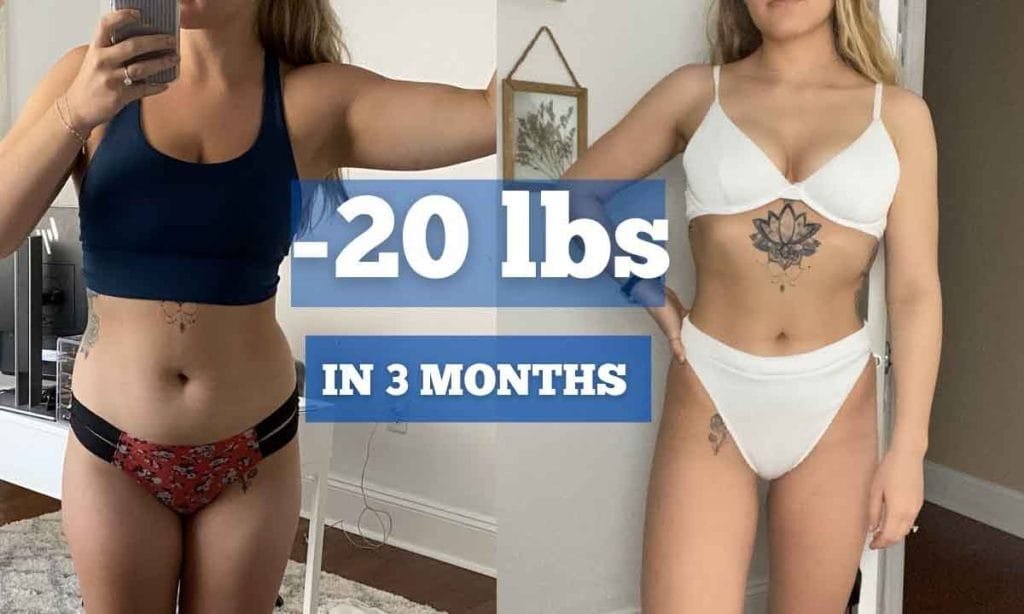
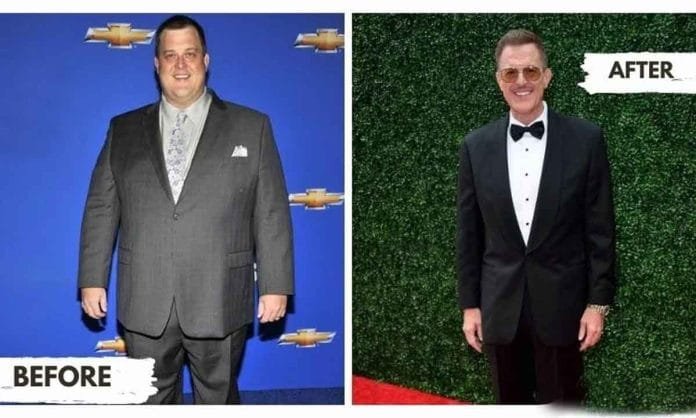
The inspiring story of Billy Gardell weight loss has captured the attention of millions. Best known for his role on Mike & Molly, Gardell shocked fans when he revealed he had lost over 150 pounds. But this transformation wasn’t just about appearance—it was about reclaiming his health. While he underwent bariatric surgery, he credits his success to adopting a keto lifestyle. In this article, we’ll explore how the keto diet played a critical role in his journey—and how you can use similar strategies to achieve your own lasting health goals.

Billy Gardell Weight Loss Journey: From TV Star to Health Hero

You might know Billy Gardell from the sitcom “Mike & Molly.” Over time, fans noticed a significant transformation—not just in his appearance but in his overall well-being. Gardell lost over 150 pounds, which is truly inspiring.

While he did have bariatric surgery in 2022, he made it clear that the surgery wasn’t the final solution. “That wasn’t the answer—it was the beginning,” he said. His real success came from everyday changes, especially switching to a healthier, keto-friendly diet.


What Is the Keto Diet and How Does It Work?
What Is the Keto Diet for Weight Loss?

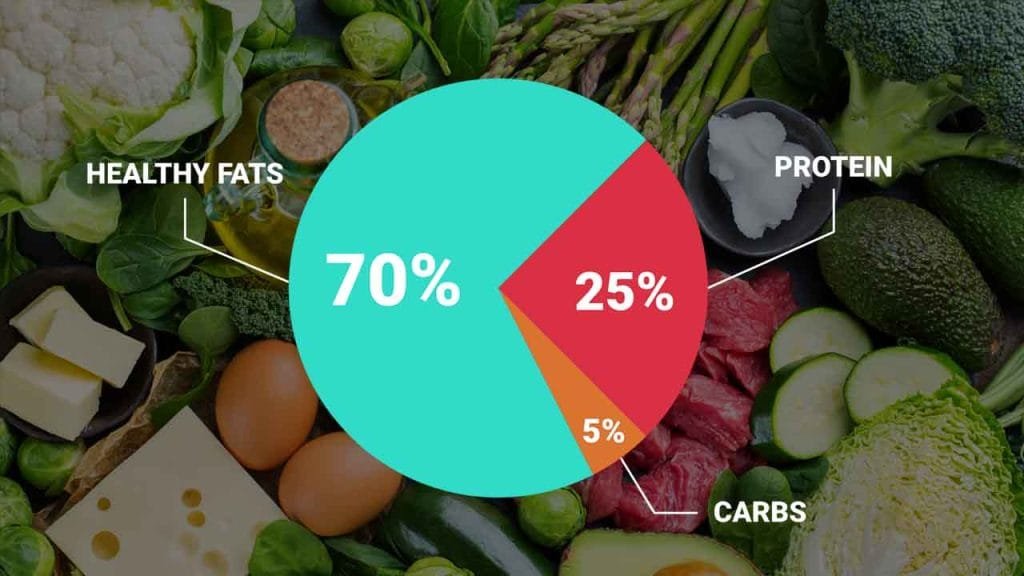
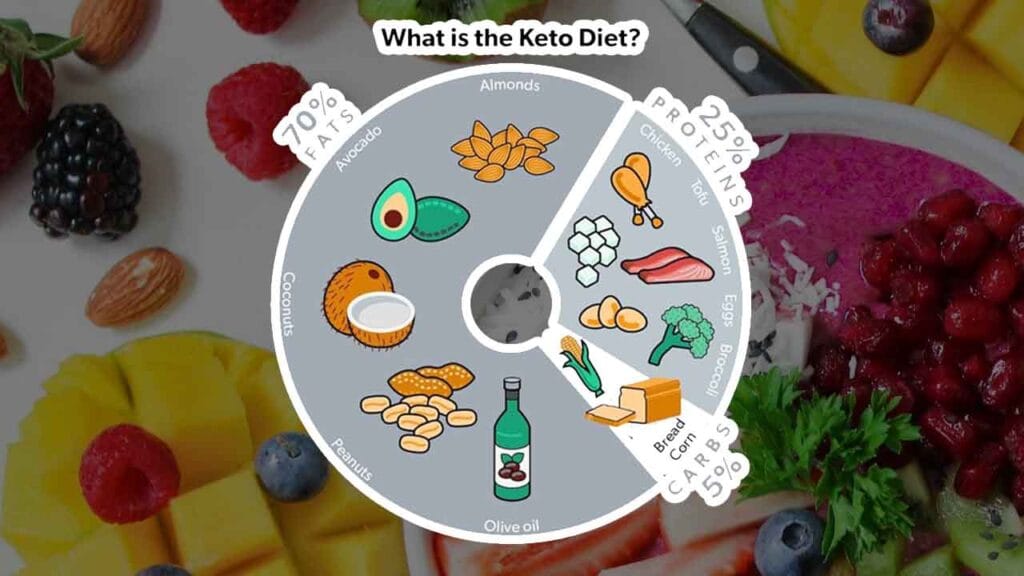
The keto diet changes how your body gets energy. Instead of burning carbs, it burns fat. Here’s the basic idea:

  • Carbs: 5–10% of daily calories
  • Protein: 20–25%
  • Fat: 65–75%

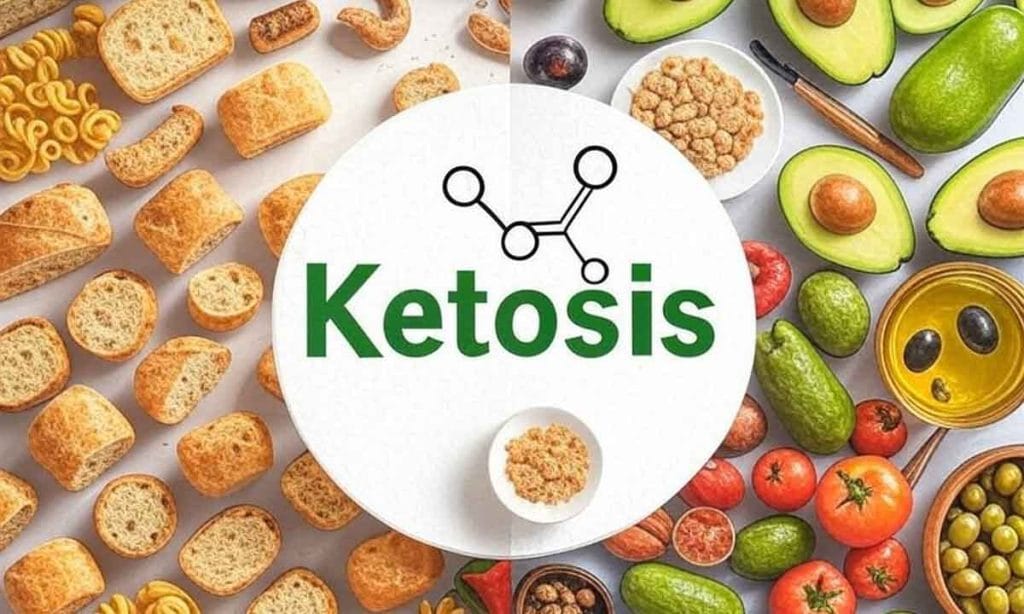
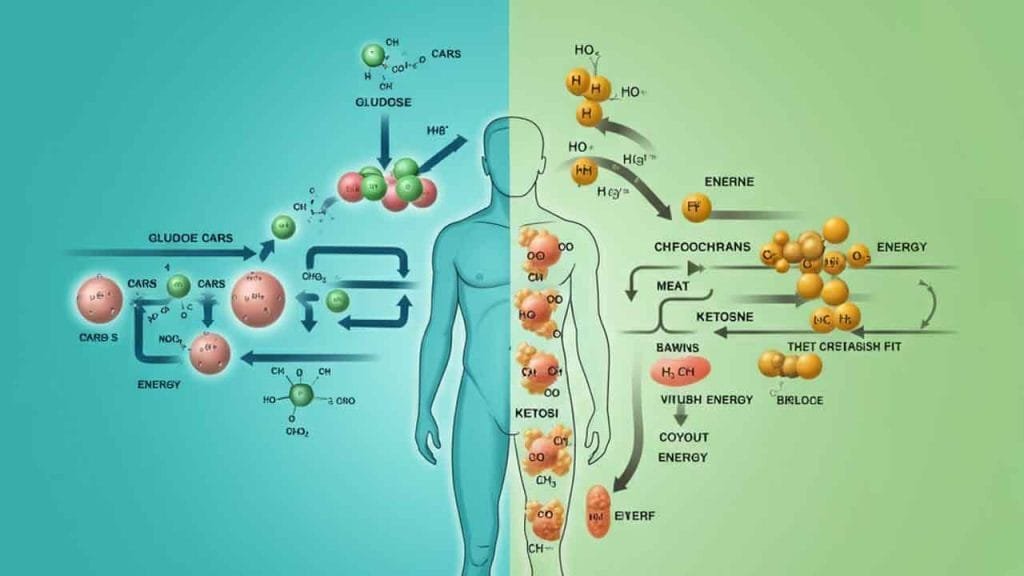
This change puts your body into a state called ketosis, where it makes energy from fat instead of sugar. That’s how your body starts burning stored fat, and that leads to weight loss.


The Real Health Benefits of the Keto Diet

The Benefits of a Keto Diet for Weight Loss

Keto isn’t just a trend. Research shows it offers real health benefits.

1. Better Blood Sugar Control

For people with prediabetes or Type 2 diabetes, keto can help lower blood sugar and A1C levels. The NIH and Mayo Clinic back this.

2. Heart Health Improvements

Keto may help your heart by:

  • Lowering triglycerides
  • Raising HDL (good) cholesterol
  • Helping manage blood pressure

3. Long-Term Weight Loss

Lower insulin levels help your body burn fat more easily. Additionally, keto meals are filling, which helps reduce cravings.

4. More Energy and Focus

Many people on keto say they feel more alert and energetic. Some early studies even show keto may help with brain conditions like epilepsy and Alzheimer’s.


Is the Keto Diet Safe for Everyone?

Before you try keto, it’s smart to know the side effects and whether it fits your needs.

Short-Term Side Effects (Usually Go Away)

In the first few days, you might feel:

  • Tired or weak
  • Headaches
  • Upset stomach
  • Constipation

This is called the “keto flu.” It usually fades after a week. Drinking water and consuming a balanced diet rich in essential minerals, such as salt, potassium, and magnesium, can help.

Who Should Talk to a Doctor First?

Keto isn’t for everyone. You should check with a doctor if you:

  • Have kidney or liver problems
  • Had pancreatitis
  • Are you pregnant or breastfeeding

Always consult your doctor before starting, especially if you have any pre-existing health issues.


Simple Keto Macro Guide + Meal Plan to Get You Started

Here’s how your daily food should be divided:

Nutrient% of Daily CaloriesGrams per Day (2,000 kcal)
Fat70%~156 g
Protein20%~100 g
Carbohydrates10%~50 g

Sample Day on Keto

  • Breakfast: Scrambled eggs in butter with spinach and avocado
  • Lunch: Grilled chicken salad with olive oil, feta, and greens
  • Dinner: Baked salmon with asparagus and mashed cauliflower
  • Snacks: Hard-boiled eggs, almonds, or a keto shake

Real-Life Tips to Stick With Keto

Here are simple ways to make keto part of your routine:

1. Plan Ahead

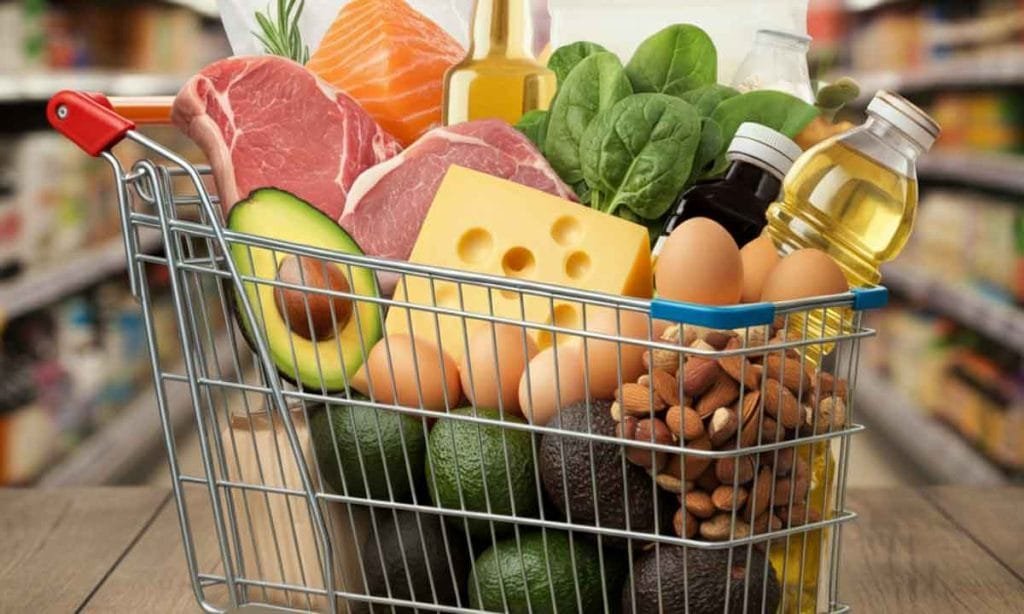
Keep your kitchen stocked with keto-friendly foods. Planning meals helps prevent slip-ups.

2. Track What You Eat

Use a food tracking app to monitor your carbs, fats, and protein intake. Some people also check ketone levels to stay in ketosis.

3. Stay Active

You need to hit the gym daily. Just walking or stretching can help with weight loss and mood.

4. Get Support

Join online keto groups or team up with a friend. Support makes the journey easier.


Why Keto Helped Billy Gardell—And How It Can Help You

Billy Gardell’s story demonstrates what’s possible when you commit to making a change. He didn’t just lose weight—he improved his blood pressure, lowered his sugar, and slept better.

You don’t have to be a celebrity to succeed. With the right plan and Support, real change is possible for anyone.


FAQ About Billy Gardell Weight Loss and the Keto Diet

How much weight did Billy Gardell lose?

Billy Gardell lost over 150 pounds. His transformation was a result of lifestyle changes, including bariatric surgery and following a keto-friendly diet.

Did Billy Gardell follow the keto diet to lose weight?

Yes, Billy Gardell incorporated the keto diet into his weight loss journey. He emphasised the importance of a balanced diet, regular exercise, and long-term health habits.

What is the keto diet Billy Gardell used?

The keto diet is a low-carb, high-fat eating plan that shifts the body into ketosis—burning fat for fuel instead of carbohydrates. It played a key role in Gardell’s weight loss.

Is the keto diet safe for everyone?

The keto diet is generally safe for most healthy adults, but those with medical conditions should consult a doctor before starting. Pregnant women, people with kidney disease, or individuals on certain medications may need alternatives.

Can I lose weight like Billy Gardell with the keto diet?

Yes, many people have successfully lost weight on the keto diet. The key is consistency, a balanced meal plan, and support from healthcare providers.

What did Billy Gardell say about his weight loss journey?

Billy Gardell described his bariatric surgery as “just the beginning.” He attributes his long-term success to daily discipline, healthier eating habits, and a supportive lifestyle.

How do I start a keto diet like Billy Gardell?

Begin by reducing your daily carbs to 5–10%, increasing healthy fats, and moderating your protein intake. Use our free keto meal plan or consult with a dietitian for guidance.


Final Thoughts: Should You Consider Starting the Keto Diet?

Inspired by Billy Gardell weight loss? You don’t have to wait for the “perfect time” to begin your health journey.

Check with your doctor first. Then, download our free keto meal plan and take the first step toward better health.


Sources

  1. People.com – Billy Gardell Says Bariatric Surgery Was ‘Just the Beginning’
  2. NCBI – Ketogenic Diet Overview
  3. Mayo Clinic – Keto Diet Pros and Cons
  4. Harvard Health – Is Keto Safe?
  5. ScienceDirect – Keto and Cardiovascular Health
  6. Verywell Health – How Many Carbs on Keto?

Disclaimer: This article is for educational purposes only and is not a substitute for professional medical advice, diagnosis, or treatment.
Keto Diet Rules: A Beginner-Friendly Guide to Doing Keto the Right Way

0
keto diet rules

Why So Many People Are Going Keto

Why So Many People Are Going Keto

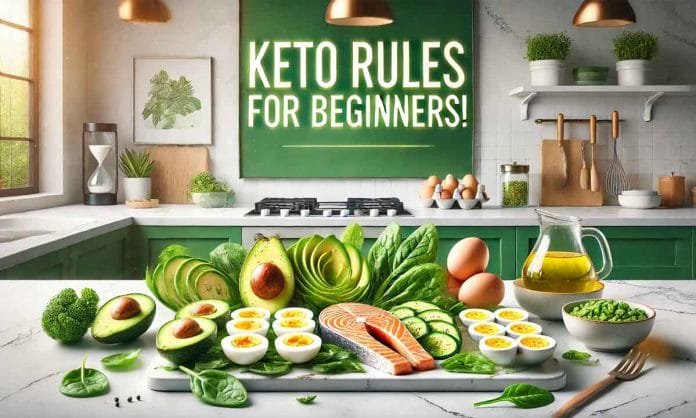
If you’ve been considering trying the keto diet rules, you’re in good company. The high-carb, high-fat diet has become a popular choice for millions of people seeking to lose weight, stabilize their blood sugar levels, or improve their overall well-being.

But here’s the thing: keto only works if you do it right.

This guide will walk you through the essential rules of the keto diet, helping you avoid common mistakes, stay healthy, and achieve results. Whether you’re a total beginner or simply looking to refine your plan, this is your go-to resource.


What Is the Keto Diet, in Simple Terms?

What Is the Keto Diet, in Simple Terms?

The keto diet (short for “ketogenic”) flips the usual nutrition model on its head. Instead of relying on carbs, your body begins to use fat for fuel. This process is called ketosis.

When you reduce your carb intake, your body produces molecules called ketones, which power your brain and body. The result? More energy, fewer cravings, and often significant fat loss.


Why Follow Keto Diet Rules?

Why Follow Keto Diet Rules?

Because without a roadmap, you might feel tired, gain weight, or give up altogether. But with the proper guidance, keto can help you:

  • Lose weight without constant hunger
  • ✅ Stabilise blood sugar and reduce insulin resistance
  • Improve mental clarity and focus
  • Support heart health when you choose the right fats

The 5 Golden Rules of the Keto Diet

The 5 Golden Rules of the Keto Diet

Let’s make this easy. Here are the top rules you need to follow to do keto the right way:

🥦 1. Keep Carbs Very Low (20–50g per day)

Carbs are the first thing to go on keto. Your goal is to stay within a range of 20 to 50 grams of net carbs per day. That means:

  • Say goodbye to bread, pasta, rice, and sugar
  • Eat mostly leafy greens, broccoli, cauliflower, and small amounts of berries
  • Net carbs = total carbs minus fibre

This rule is non-negotiable if you want to get into (and stay in) ketosis.

🥑 2. Embrace Healthy Fats

Since you’re cutting carbs, you’ll need another source of energy—fat.

Focus on hearty treats like:

  • Avocadyos
  • Olive oil
  • Coconut oil
  • Grass-fed butter
  • Nuts and seeds
  • Fatty fish (like salmon or sardines)

Avoid trans fats and processed junk food. Keto isn’t a free pass to eat bacon all day.

🍗 3. Keep Protein Moderate

Keto isn’t a high-protein diet. Too much protein can knock you out of ketosis by turning into glucose in the body.

Aim for moderate amounts:

  • Chicken, beef, pork
  • Eggs and seafood
  • Tofu or tempeh if you’re plant-based

The general guideline is 0.6 to 1 gram of protein per pound of body mass.

💧 4. Stay Hydrated & Replenish Electrolytes

Keto causes you to flush water and electrolytes, especially in the first week. If you don’t stay hydrated, you could get the dreaded keto flu.

Combat it by:

  • Drinkdon’tore water
  • Adding sea salt to your food
  • Eating potassium-rich foods (like spinach or avocado)
  • Considering a keto-friendly electrolyte supplement

🥬 5. Prioritize Nutrients and Fiber

Cutting carbs doesn’t mean you should skimp on veggies. You still need vitamins and minerals to maintain good health.

Eat plenty of:

  • Leafy greens (spinach, kale, arugula)
  • Cruciferous vegetables (broccoli, cauliflower)
  • Seeds like chia and flax
  • A daily multivitamin, if needed

What a Keto Plate Looks Like

What a Keto Plate Looks Like

Here’s a simple formula:

Nutrient% of Daily CaloriesFocus On
Fat70–80%Avocados, olive oil, cheese
Protein15–25%Eggs, fish, poultry
Carbs5–10%Leafy greens, berries (sparingly)

What to Eat vs. What to Avoid on Keto

What to Eat vs. What to Avoid on Keto

✅ Eat More Of:

  • Eggs, cheese, and full-fat yoghurt
  • Meat, poultry, and seafood
  • Healthy oils (olive, avocado)
  • Non-starchy vegetables
  • Small portions of berries

🚫 Avoid:

  • Bread, rice, pasta
  • Sweets and sugary drinks
  • Beans and most fruits
  • Processed snack foods

How to Tell You’re in Ketosis

How to Tell You’re in Ketosis

You might notice:

  • Reduced appetite
  • A clear head and steady. Youreyy
  • A slightly fruity smell on your breath
  • Weight loss, especially water weight, hits at first

Or use tools like:

  • Urine test strips (affordable, but less accurate)
  • Blood ketone meters (more accurate)
  • Breath analyzers

Real-World Keto Tips

Real-World Keto Tips

🍽 Easy Meal Ideas

  • Scrambled eggs with spinach and cheese
  • Grilled chicken with zucchini noodles
  • Salmon with avocado and a side salad

🛒 Grocery List Staples

  • Eggs, cheese, butter
  • Leafy greens and cruciferous veggies
  • Chicken thighs, ground beef, and fish
  • Almonds, chia seeds, and coconut oil

😋 Quick Keto Snacks

  • Boiled eggs
  • Celery with almond butter
  • Cheese sticks
  • Olives
  • A few nuts (watch the carbs)

Common Mistakes (And How to Avoid Them)

Common Mistakes (And How to Avoid Them)

  • Too much protein – keeps you out of ketosis
  • Not enough fat – leaves you tired and hungry
  • Skipping electrolytes leads to headaches and cramps
  • Eating hidden carbs – always read food labels
  • Quitting too early – your body needs time to adapt

Is Keto Right for You?

Is Keto Right for You?

Keto works for many people, but it’s not a one-size-fits-all approach.

Talk to your doctor if you have:

  • Type 1 diabetes
  • Kitsney or liver issues
  • A history of eating disorders
  • You’re pregnant or nursing

Real Keto Success Stories

Real Keto Success Stories

🧍‍♂️ John, 58: Lost 35 pounds and reversed type 2 diabetes in 4 months.
👩 Mia, 42: Improved focus, dropped two dress sizes, and reduced joint pain.
👨 David, 34: Finally kicked brain fog and now sleeps like a baby.


Frequently Asked Questions (FAQ) about Keto Diet Rules

What are the basic rules of the keto diet?

The keto diet focuses on high fat, moderate protein, and very low carbohydrates. Key rules include keeping net carbs between 20–50 grams per day, consuming a sufficient amount of healthy fats, staying hydrated, and avoiding sugar and processed foods.

How long does it take to get into ketosis?

Most people enter ketosis within 2 to 7 days of following the keto rules strictly. Factors such as activity level, metabolism, and carbohydrate intake can affect how quickly your body starts producing ketones.

What foods should I avoid on the keto diet?

Avoid high-carb foods, such as bread, pasta, rice, potatoes, sugary snacks, soda, and most fruits. Processed foods and trans fats should also be eliminated for best results.

Can I eat fruit on keto?

Most fruits are too high in sugar for a keto diet. However, small portions of low-carb fruits, such as berries (e.g., strawberries, raspberries), are allowed in moderation.

Is keto safe for everyone?

Keto is generally safe for healthy individuals. However, people with diabetes (especially Type 1), kidney disease, liver issues, or who are pregnant should consult a healthcare provider before starting keto.

What happens if I eat too many carbs on keto?

Eating too many carbs can kick you out of ketosis, leading to blood sugar spikes, cravings, and stalled weight loss. If this happens, reduce your carb intake and follow the keto guidelines to get back on track.

Do I need to count calories on the keto diet?

Not always. Many people naturally eat fewer calories on keto due to reduced hunger. However, if you’re not losing weight, tracking calories and macros may help identify issues.

How much protein should I eat on keto?

Protein should be moderate—about 15–25% of your daily calories. Overeating can lead to gluconeogenesis, the conversion of protein into glucose, which may slow down ketosis.

Can I drink alcohol on keto?

Yes, but choose wisely. Stick to low-carb options, such as dry wine, whiskey, vodka, or tequila. Avoid sugary mixers and beer. Remember, alcohol can slow fat burning.

What are the signs I’m in ketosis?

Common signs include reduced appetite, increased energy, improved mental clarity, short-term weight loss, and occasionally a fruity breath odor. Testing with urine strips or a blood ketone meter can confirm it.


Conclusion: Start Strong, Stay Smart

Following these keto diet rules gives you the best shot at long-term success. You’ll feel better, move better, and (bonus) your jeans might even fit better.

👉 Ready to start?

  • Grab our free keto meal plan.
  • Check with your healthcare provider.
  • Sign up for weekly recipes and keto tips!

Sources

Cardinal Dolan Weight Loss: A Health Journey That Inspires

0
cardinal dolan weight loss

Cardinal Timothy Dolan, the cheerful Archbishop of New York, is a familiar face in the Catholic Church. However, in 2011, he garnered attention for something personal: losing approximately 25 pounds. His story of Cardinal Dolan weight loss isn’t just about shedding weight—it’s about faith, determination, and balancing a busy life. For Americans seeking to improve their health, his journey provides genuine inspiration and practical advice.

This article breaks down how Cardinal Dolan achieved this, drawing on insights from trusted sources, including the CDC and the Mayo Clinic. Written in a friendly, easy-to-read style, it’s packed with ideas to help you start your health journey. Let’s dive in!

Meet Cardinal Dolan

Meet Cardinal Dolan

Cardinal Dolan is more than a church leader—he’s a relatable figure with a big heart. Born on February 6, 1950, in St. Louis, Missouri, he’s been New York’s Archbishop since 2009. He led the U.S. Conference of Catholic Bishops from 2010 to 2013 and was elevated to the cardinalate in 2012 (Timothy M. Dolan – Wikipedia). Known for his humour and media savvy, he connects with people on and off the pulpit.

His weight loss journey, which began in 2011, revealed a human side to this public figure. It’s a story that resonates with anyone trying to juggle work, life, and health.


Why Cardinal Dolan Wanted to Lose Weight

Why Cardinal Dolan Wanted to Lose Weight

A Doctor’s Wake-Up Call

In early 2011, Cardinal Dolan got a reality check at the doctor’s office. His physician showed him a visual of body fat, and it hit home. “It was an unpleasant truth,” he shared in a blog (Unpleasant Truths). Like many of us, he needed a nudge to take his health seriously, and this was it.

Faith Fueled His Drive

As a Catholic, Cardinal Dolan believes the body is a gift from God. “I want to take care of the body God gave me,” he told Catholic New York. Losing weight was his way of honouring that gift, so he could serve his community longer. Studies show that a strong “why”—like faith, can keep you motivated (Losing Weight – CDC). For Cardinal Dolan, it was about living out his values.


How Cardinal Dolan Lost the Weight

How Cardinal Dolan Lost the Weight

Teaming Up with a Diet Pro

Cardinal Dolan didn’t tackle weight loss alone. He worked with Dr. Howard Shapiro, a diet expert who helps busy folks eat smarter. A 2012 New York Daily News article reported he lost 25 pounds since February 2011, aiming to drop another 25, with 8-10 pounds targeted before his cardinal ceremony in February 2012 (Dolan’s Diet Program).

Dr. Shapiro taught him to watch his calories and make better food choices, such as opting for vegetables over heavy dishes. While we don’t have his exact menu, it was likely a balanced plan featuring lean meats, fruits, and whole grains—similar to a Mediterranean-style diet, which the Mayo Clinic recommends (Weight Loss Basics).

Sneaking in Exercise

With a packed schedule, Cardinal Dolan couldn’t hit the gym for hours. Instead, he likely added simple activities, such as walking. A 2012 New York Times article mentioned Dr. Shapiro’s advice to choose fish over steak and fruit over gelato during a trip to Rome (Test in Rome). These small swaps made a big difference.

Laughing Through Challenges

Cardinal Dolan’s sense of humour kept him going. He once joked about calling Dr. Shapiro from a Steak ‘n’ Shake, unsure what to order. That relatable moment shows even leaders face cravings. Staying upbeat, as research suggests, helps you stick with health goals (Losing Weight – CDC).


Overcoming Everyday Hurdles

Overcoming Everyday Hurdles

Weight loss wasn’t a breeze for Cardinal Dolan. His days were filled with meetings, church dinners, and tempting foods like pizza or pasta. These challenges are familiar to anyone trying to adopt a healthier diet. But he stayed focused, leaning on Dr. Shapiro’s advice and his own grit. By January 2012, his 25-pound loss had proven that he could overcome obstacles, inspiring us to push through our own.


The Ripple Effect of His Weight Loss

A Healthier, Happier Leader

Losing 25 pounds likely gave Cardinal Dolan more energy and reduced risks, such as high blood pressure. The CDC states that dropping just 5-10% of your weight can improve your health (Losing Weight – CDC). For him, it meant being fit to lead with vigour.

Inspiring His Community

As a public figure, Cardinal Dolan’s journey motivated others. In 2015, he playfully told Pope Francis to “get a new doctor” after cutting back on pasta, showing his knack for making health relatable (Dolan’s Advice for Pope). His openness encouraged churchgoers to consider their own wellness, especially in faith communities where health programs are expanding.

Living His Faith

By caring for his body, Cardinal Dolan embodied Catholic teachings on stewardship. Cardinal Dolan’s weight loss story demonstrated that faith and health are closely intertwined, inspiring others to follow his lead. Leaders who model healthy habits can shape community norms, research confirms (Weight Loss Basics).


What We Can Learn from Cardinal Dolan

Cardinal Dolan’s journey offers simple, powerful lessons for anyone wanting to get healthier:

  • Find Your Reason: His faith kept him driven. Pick a goal that matters to you—family, energy, or feeling great.
  • Get Help: Dr. Shapiro’s plan worked for him. A doctor or dietitian can tailor a plan for you.
  • Be Honest: Facing his doctor’s fat visual sparked change. Take a real look at your health to start.
  • Fit It In: Walking or small food swaps worked for his busy life. You don’t need hours to make a difference.
  • Keep It Light: His humour, like the Steak ‘n’ Shake call, made the journey easier. Laughing helps you stay on track.
  • Lift Others Up: His story inspired his flock. Share your goals to build a support crew.

These tips make Cardinal Dolan weight loss a roadmap for anyone, regardless of their lifestyle.


Your Turn: Start Your Health Journey

Ready to follow Cardinal Dolan’s example? Here’s a beginner-friendly plan to get going, based on expert advice:

  1. Set a Goal: Aim to lose 5-10% of your weight, as the CDC suggests—it’s a doable and impactful goal.
  2. Talk to a Pro: A dietitian can craft a plan that fits your life, like Dr. Shapiro did.
  3. Eat Smart: Fill up on veggies, lean meats, and whole grains. Skip sugary sodas and snacks.
  4. Move a Bit: Try 30-minute walks, 5 days a week, as recommended by the Mayo Clinic.
  5. Track It: Use a notebook or app to log food and activity—it keeps you honest.
  6. Find Your Cheer Squad: Share your goals with friends or family for encouragement.

A Snapshot of Cardinal Dolan’s Success

Here’s a quick look at how Cardinal Dolan made it happen:

What He DidHow It Worked
Pounds LostDropped ~25 pounds by January 2012
GoalAimed for another 25 pounds, 8-10 by February 2012 ceremony
DietBalanced, calorie-smart meals with veggies and lean proteins
ExerciseLight stuff like walking, perfect for a busy guy
MotivationFaith and wanting to serve his community longer
SupportDr. Howard Shapiro’s custom plan

This table summarises Cardinal Dolan weight loss in a way that’s easy to grasp, showing how small steps led to significant wins.


Frequently Asked Questions About Cardinal Dolan Weight Loss

1. How much weight did Cardinal Dolan lose, and when did he start his journey?

Cardinal Dolan lost approximately 25 pounds starting in February 2011. By January 2012, he was working toward losing another 25 pounds, aiming for 8-10 pounds before his cardinal elevation in February 2012, as reported by the New York Daily News (Dolan’s Diet Program).

2. What motivated Cardinal Dolan to pursue weight loss?

His motivation was rooted in faith and health. A doctor’s 2011 visual of body fat was a wake-up call, and as a Catholic leader, he wanted to be a “good steward” of his body to serve his community longer, as he shared with Catholic New York. Faith-driven goals can enhance health efforts, according to CDC research (Losing Weight – CDC).

3. Who helped Cardinal Dolan with his weight loss plan?

Dr. Howard Shapiro, a diet expert, created a personalised plan for Cardinal Dolan. Dr. Shapiro focused on calorie awareness and healthier food choices, helping him lose 25 pounds by January 2012 (Dolan’s Diet Program). Professional guidance is key for sustainable weight loss, according to the Mayo Clinic (Weight Loss Basics).

4. What kind of diet did Cardinal Dolan follow?

While exact details are not public, Dr. Shapiro likely designed a balanced, calorie-controlled diet consisting of lean proteins, vegetables, and whole grains. A New York Times article suggested choosing fish over meat and fruit over desserts during a 2012 trip to Rome, emphasising portion control and making smarter choices (Test in Rome).

5. Did Cardinal Dolan exercise as part of his weight loss?

Yes, but his busy schedule as Archbishop meant light activities like walking were likely his go-to. Dr. Shapiro’s plan fit his lifestyle, focusing on doable changes rather than intense workouts, aligning with CDC advice for busy people (Losing Weight – CDC).

6. What challenges did Cardinal Dolan face during his weight loss?

His role involved attending social events with tempting foods, such as pasta, and participating in church potlucks. He humorously recalled calling Dr. Shapiro from a Steak ‘n Shake for advice, illustrating how he navigated his cravings. Despite these hurdles, he lost 25 pounds by January 2012, demonstrating his resilience through the Dolan’s Diet Program.

7. How did Cardinal Dolan’s weight loss impact his community?

His journey inspired his congregation, demonstrating that health is essential for effective leadership. In 2015, he jokingly advised Pope Francis on dieting, making health relatable (Dolan’s Advice for Pope). Leaders’ healthy habits can encourage community wellness, research suggests (Weight Loss Basics).

8. Why is Cardinal Dolan’s weight loss story inspiring?

Cardinal Dolan weight loss shows how faith, humour, and expert help can transform one’s health, even with a demanding schedule. His story resonates with Americans juggling busy lives, offering practical lessons such as starting small and staying positive, which are backed by his real-life example.

9. Can I use Cardinal Dolan’s approach for my own weight loss?

Absolutely! His success stemmed from a clear goal (faith-driven stewardship), professional guidance, and small changes, such as walking and making better food choices. Consult a doctor or dietitian for a tailored plan, and find a personal “why” to stay motivated, as recommended by the CDC (Losing Weight – CDC).

10. Where can I learn more about healthy weight loss, like Cardinal Dolan’s?

Check trusted resources, such as the CDC (Losing Weight – CDC) and Mayo Clinic (Weight Loss Basics), for evidence-based tips. Cardinal Dolan’s blog also shares his reflections on health (Unpleasant Truths). Start with small steps and professional advice for lasting results.


Conclusion: Your Health, Your Move

Cardinal Dolan weight loss is a story of faith, humour, and hard work. Losing 25 pounds while leading a busy life, he showed that health is within reach for anyone. His journey reminds us to care for our bodies, whether for the sake of our faith, family, or overall well-being.

Want to start? Take one step today. Talk to your doctor, swap soda for water, or go for a walk. Like Cardinal Dolan, you can make health a priority. Your journey starts now—go for it!


Sources

Is Ham Keto Diet Friendly? A Doctor-Backed Guide to Eating Ham on Keto

0
is ham keto diet friendly

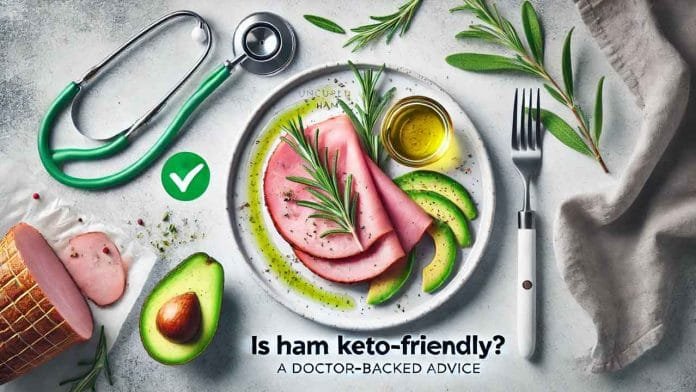
Let’s get straight to the question: Is ham keto diet friendly?
The short answer: Yes, but only certain types.

If you’re following a keto lifestyle, you already know how important it is to keep your carb intake low. And while ham may seem like a solid choice, not all ham is created equal. From honey-glazed slices to deli meat packed with preservatives, some options could throw you off track.

In this guide, we’ll break down the best types of ham for keto, which ones to avoid, and how to enjoy this savoury meat while keeping your diet clean, simple, and effective.


What Is the Keto Diet for Weight Loss?

Quick Recap: What Is the Keto Diet?

Before we dive in, let’s refresh the basics.

The keto diet is a low-carb, high-fat way of eating that shifts your body into a state of ketosis, a condition where your body burns fat for energy. To stay there, most people aim for:

  • 5–10% carbs
  • 20–25% protein
  • 70–75% fat

That usually means limiting carbs to under 50 grams per day. So when you’re picking foods like ham, every carb counts.


So, Is Ham Keto Diet Friendly?

So, Is Ham Keto Diet Friendly?

Most of the time, yes, ham is keto-friendly.
But it all depends on how it’s prepared.

✅ Keto-Friendly Ham:

  • Plain, cured ham with no added sugars
  • Unprocessed or minimally processed ham
  • Lower-sodium options (if you’re watching your salt)

❌ Not Keto-Friendly:

  • Honey-baked or sugar-glazed hams
  • Heavily processed deli ham with sweeteners or fillers
  • Ham is packed with preservatives like nitrates or MSG

In short, if your ham is sweet, sticky, or loaded with ingredients you can’t pronounce, it’s probably not your best bet for keto.


Whats in Ham

What’s in Ham? (Nutritional Breakdown)

Let’s take a closer look at what you’re actually eating when you grab a slice of ham.

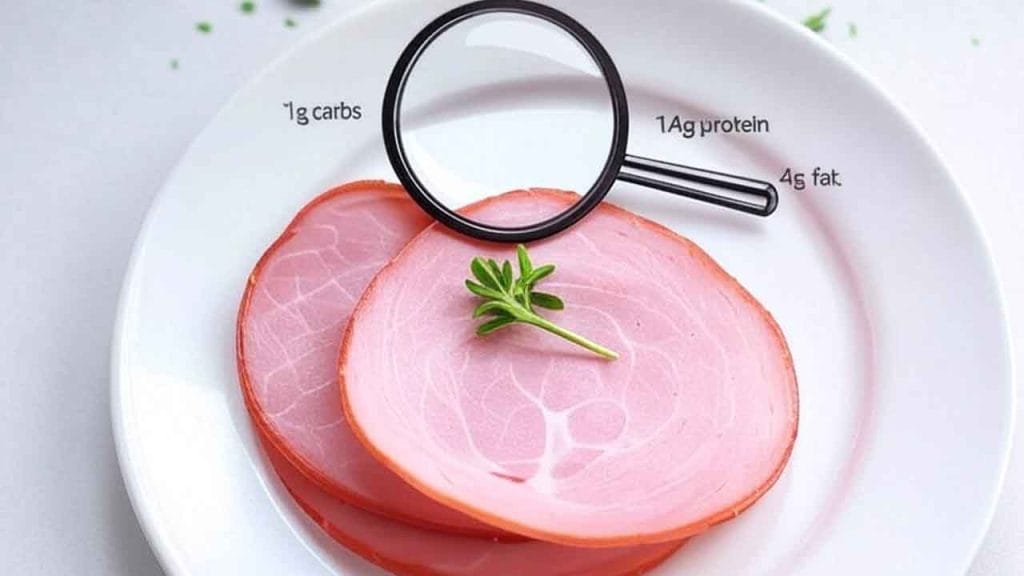
🥩 Nutritional Snapshot (3 oz cooked, plain ham):

  • Calories: ~120
  • Protein: ~14g
  • Fat: ~4g
  • Carbs: ~1g
  • Sugars: 0g (in plain versions)

That low carb count? Perfect for keto. The protein and fat combo? Also good. But here’s where it can get tricky…


When Ham Isn’t Keto-Friendly: Sugar and Glaze Warnings

Not all ham is created equal, especially around the holidays.

Glazed hams (think honey-baked or brown sugar crusted) can contain 2–3 grams of sugar per ounce. That might not sound like much, but eating a big slice can quickly put you over your daily carb limit.

Example:

One 6-oz serving of glazed ham =
🛑 10–12 grams of carbs = Goodbye ketosis.

If you’re serious about staying in fat-burning mode, stick to unsweetened versions only.


But What About the Sodium in Ham?

Here’s the catch: Ham is salty. Really salty.

Just 3 ounces can deliver:

  • 900–1,200 mg of sodium
  • That’s 40–50% of the daily recommended limit

Too much sodium can cause:

  • Bloating
  • Water retention
  • Higher blood pressure (especially if you already have hypertension)

If you’re sensitive to salt, opt for low-sodium ham or balance it out with potassium-rich vegetables like spinach or avocado.


Let’s Talk About Processed Meat: Is Ham a Health Risk?

Ham often falls into the category of processed meats. That means it’s been cured, smoked, or preserved using nitrates, nitrites, or other additives.

While these methods keep the meat fresh and flavorful, they can raise health concerns when eaten regularly.

🧪 Potential Risks of Processed Ham:

  • Increased cancer risk: Studies link nitrates to colorectal cancer.
  • Inflammation: Processed meat may increase the risk of type 2 diabetes and heart disease.
  • Hormonal imbalance: Some chemicals in preserved meats may disrupt hormone regulation over time.

🥗 Better Alternatives:

  • Choose uncured ham labelled “no added nitrates or nitrites”
  • Go for organic, pasture-raised, or sugar-free ham if available
  • Cook a whole ham at home to control ingredients

Clean Keto vs. Dirty Keto: Where Does Ham Fit?

If you’re following a clean keto diet, you’re focusing on whole foods, healthy fats, and nutrient density. On dirty keto, you’re more focused on hitting your macros—even if it means eating processed meats, diet soda, and fast food.

So, is ham keto diet friendly under both?

Yes, but it’s much better suited for clean keto when:

  • It’s unprocessed
  • It’s sugar-free
  • It’s cooked at home or sourced from a trusted brand

5 Smart Tips for Eating Ham on Keto

Ready to enjoy ham without guilt? Follow these tips to keep your meals clean, keto, and delicious.

✅ 1. Read the Label

Look for:

  • “No added sugar”
  • “Nitrate/nitrite free”
  • Under 1g carbs per serving

✅ 2. Avoid Glazes

Skip the honey, brown sugar, and maple coatings. If you want flavour, try mustard, rosemary, or garlic instead.

✅ 3. Stick to Serving Sizes

Limit yourself to about 3–4 oz of protein per meal to stay within your daily protein and sodium limits.

✅ 4. Pair It with Healthy Fats

Serve ham with:

  • Avocado
  • Olive oil-dressed greens
  • Cheese or eggs
    This helps maintain your fat intake for ketosis.

✅ 5. Switch It Up

Don’t rely on ham every day. Rotate with:

  • Grilled chicken
  • Salmon
  • Beef
  • Eggs

Variety keeps your diet balanced and satisfies your taste buds.


Real Life: What Keto Folks Say About Ham

Here’s what real keto dieters have to say:

“Ham and cream cheese roll-ups are my go-to lunch. Quick, low-carb, and filling.”
Samantha B., Texas

“I learned the hard way that honey-baked ham is loaded with sugar. Now I only buy plain uncured ham.”
Mark L., California

These kinds of quick, low-carb ham recipes make keto satisfying and straightforward, as long as you watch the labels.


Frequently Asked Questions About the Ham Keto Diet: Is ham keto diet friendly

Is ham keto diet friendly if it’s honey-glazed?

Not really. Honey-glazed ham typically contains added sugars, which increase the carb content and can knock you out of ketosis. If you’re following a strict keto diet, it’s best to avoid any ham with sugary glazes or marinades.

What kind of ham is best for the keto diet?

The best ham for keto is plain, unprocessed, sugar-free ham with no added honey, maple, or brown sugar. Look for labels that say “no sugar added” or “uncured,” and stick to versions with less than 1g of carbs per serving.

Can I eat deli ham on a keto diet?

Some deli hams are keto-friendly, but you’ll need to check the nutrition label. Many deli meats contain added sugars, fillers, or preservatives that can raise the carb count. Go for natural or organic deli ham with minimal ingredients and no hidden carbs.

How much ham can I eat on a keto diet?

A standard portion is about 3–4 ounces. That amount typically contains 0–1g of carbs, which fits well within a keto diet. Just keep an eye on sodium levels and pair ham with keto-friendly sides, such as avocado or leafy greens, for a balanced meal.

Is spiral ham keto diet friendly?

Only if it’s unsweetened. Many spiral hams are pre-glazed or come with a sugary coating. Always read the label. If it lists honey, brown sugar, or maple syrup, it’s best to avoid it or remove the glaze before eating.

Does ham have carbs?

Yes, but only a small amount—typically 0–1g of carbs per 3-ounce serving of plain ham. The carb count increases significantly if sugars or glazes are added, so be cautious with flavoured or processed versions.

Is processed ham bad for keto?

While technically keto-friendly in terms of macros, processed ham often contains preservatives like nitrates and hidden sugars. For a cleaner version of keto, opt for minimally processed or uncured ham with simple ingredients.

Can I eat ham every day on a keto diet?

You can eat ham on a keto diet, but it’s not ideal to consume it every day. Ham is high in sodium and may contain preservatives. It’s best to rotate your protein sources—such as chicken, beef, or eggs—for variety and better overall nutrition.


Final Verdict: Is Ham Keto Diet Friendly?

Let’s wrap it up:

👉 Yes, ham is keto-friendly—but only if you choose the right kind.
That means:

  • Plain, sugar-free, and uncured ham is a solid keto protein
  • Avoid glazed or heavily processed versions that can kick you out of ketosis
  • Be mindful of sodium and pair ham with other whole foods for balance

Used wisely, ham can be a tasty and satisfying addition to your keto meal plan. Just don’t make it the star every day—mix things up and eat clean to feel your best.


Sources

Is a Keto Diet Good for Diabetics? A Clear Guide for Americans

0
Is a Keto Diet Good for Diabetics

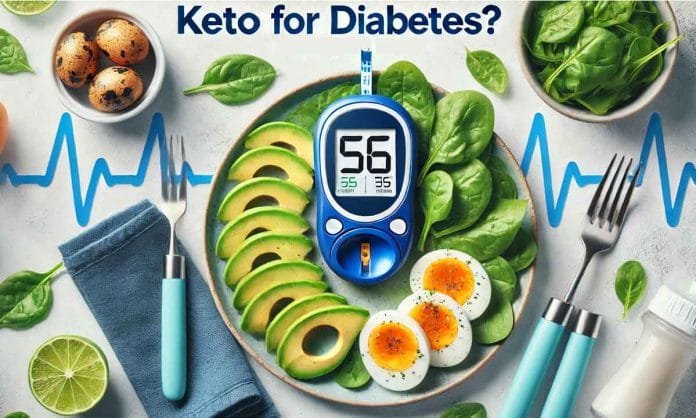
Living with diabetes can feel like a constant balancing act—watching carbs, checking blood sugar, and juggling meds. If you’re asking, is a keto diet good for diabetics? You’re not alone. This low-carb, high-fat diet has sparked buzz for its potential to stabilize blood sugar and shed pounds. But is it a safe, effective choice for managing diabetes? As a medical expert, I’ve dug into the latest research, real-life stories, and expert advice to give you a clear, trustworthy answer. Let’s explore the pros, cons, and practical tips to see if keto could be your next step.

What Exactly is a Keto Diet?

Imagine swapping your morning bagel for avocado and eggs. That’s the keto diet in a nutshell—a low-carb, high-fat way of eating that flips your body’s fuel source from carbs to fat. Here’s the breakdown:

  • 70-80% fat: Think olive oil, nuts, butter, and cheese.
  • 15-20% protein: Eggs, chicken, or salmon.
  • 5-10% carbs: About 20-50 grams daily, mostly from veggies like kale or zucchini.

Compare that to the typical American diet, where carbs often hit 250-300 grams a day from bread, soda, and snacks. On keto, your body enters ketosis, burning fat for energy instead of glucose. For diabetics, this could mean fewer blood sugar spikes—but how does it really work?


Why Blood Sugar Matters for Diabetics

Why Blood Sugar Matters for Diabetics

Whether you have Type 1 or Type 2 diabetes, blood sugar is the name of the game. In Type 1, your body doesn’t make insulin, the hormone that shuttles glucose into cells. In Type 2, your cells resist insulin, letting sugar build up in your blood. Left unchecked, high blood sugar can lead to heart disease, kidney issues, or nerve damage.

A keto diet slashes carbs, which directly cuts the glucose flooding your system. This can:

  • Steady blood sugar: Fewer carbs mean fewer spikes.
  • Lower insulin needs: Potentially reducing medication.
  • Support weight loss: A big win for Type 2 diabetics.

But is a keto diet good for diabetics across the board? Let’s weigh the benefits first.


Benefits of a Keto Diet for Diabetics

Benefits of a Keto Diet for Diabetics

The keto diet isn’t just a fad—it’s backed by science showing real perks for diabetes management. Here’s what you stand to gain:

1. Easier Weight Loss

Carrying extra weight fuels Type 2 diabetes by worsening insulin resistance. Keto helps by:

  • Curbing cravings: High-fat foods keep you satisfied.
  • Burning fat: Ketosis taps into your body’s fat stores.

A 2020 study in The Journal of Clinical Endocrinology & Metabolism found keto dieters lost more weight than those on low-fat diets, crucial for reducing diabetes complications.

2. Better Blood Sugar Control

Fewer carbs mean less glucose to manage. A 2018 Diabetes Care study showed that low-carb diets like keto lowered A1C levels (a key marker of long-term blood sugar) in Type 2 diabetics.

3. Improved Insulin Sensitivity

By reducing carb overload, keto can make your cells more responsive to insulin. Over time, this might mean less reliance on meds for Type 2 diabetics.

4. Heart Health Boost

Diabetics face higher risks of heart disease. Keto often lowers triglycerides and raises HDL (“good”) cholesterol, offering a heart-protective edge, per research from the American Heart Association.

5. Less Inflammation

Chronic inflammation drives diabetes complications. Keto’s focus on whole foods like avocados and nuts may reduce inflammation markers, supporting overall health.

These benefits sound great, but there’s another side to the story.


Risks to Watch Out For

Risks to Watch Out For

Is a keto diet good for diabetics without risks? Not quite. While keto has potential, it’s not a magic fix. Here are the challenges to consider:

1. Hypoglycemia Danger

If you take insulin or blood sugar-lowering meds, cutting carbs too fast can tank your levels, causing hypoglycemia. Symptoms like dizziness or sweating can hit hard. Always adjust meds with your doctor.

2. Missing Key Nutrients

Keto limits fruits, grains, and beans—sources of fiber, vitamins, and minerals. You might fall short on:

  • Fiber: Vital for digestion and blood sugar stability.
  • Vitamins: Like vitamin C or B vitamins. Plan carefully with foods like spinach or consider supplements.

3. The Dreaded Keto Flu

Switching to keto can leave you tired, cranky, or foggy for a week or two. Drinking water and adding salt to meals can ease this transition.

4. Sticking with It

Keto’s strict rules can feel like a full-time job. Social dinners or cravings might derail you, potentially causing weight regain or blood sugar swings.

5. Kidney and Bone Concerns

High fat and protein could stress kidneys, a worry for diabetics with kidney risks. Some studies also suggest long-term keto might affect bone health.

So, how do real people fare on keto?


Real Stories: How Keto Works for Diabetics

Real Stories: How Keto Works for Diabetics

Let’s hear from Americans who’ve tried keto for diabetes:

  • Mark, 52, Type 2 Diabetic: Mark struggled with an A1C of 8.7% and extra weight. On keto, he lost 25 pounds in five months, dropping his A1C to 6.3%. “I feel sharper and lighter,” he says.
  • Lisa, 38, Type 1 Diabetic: Lisa hoped keto would smooth her blood sugar swings. It helped initially, but frequent lows and meal planning stress led her to a less rigid low-carb diet.

These stories highlight keto’s potential—and its challenges. Your experience depends on your unique needs.


What Experts Say About Keto for Diabetics

What Experts Say About Keto for Diabetics

Is a keto diet good for diabetics, according to the pros? Here’s the scoop:

  • Dr. Sarah Hallberg, a diabetes specialist, says: “Keto can be a powerful tool for Type 2 diabetes, but it’s not a solo act. Work with your doctor to stay safe.”
  • Emily Carter, RD, notes: “Every diabetic is different. Age, meds, and lifestyle shape how keto should look.”

The American Diabetes Association now supports low-carb diets for some diabetics but stresses personalized plans. The takeaway? Monitor blood sugar, tweak meds, and lean on experts.


Keto vs. Standard American Diet: A Quick Comparison

Keto vs. Standard American Diet: A Quick Comparison

Wondering how keto stacks up? Here’s a snapshot:

FactorKeto DietStandard American Diet
Daily Carbs20-50g250-300g
Blood SugarStable, fewer spikesFrequent spikes
Weight LossOften fasterSlower, variable
SustainabilityTough long-termEasier but less effective
Nutrient RisksPossible deficienciesBalanced if whole foods

This chart shows keto’s edge for blood sugar, but it’s not always easy to maintain.


Tips for Starting Keto as a Diabetic

Tips for Starting Keto as a Diabetic

Ready to try keto? Here’s how to do it safely:

  1. Consult Your Doctor: Get clearance and adjust meds.
  2. Work with a Dietitian: Build a nutrient-rich keto plan.
  3. Track Blood Sugar: Check levels often, especially at first.

  4. Start Slow: Ease into low carbs to avoid keto flu.

  5. Stay Hydrated: Drink water and add salt to meals.

A sample keto meal plan might look like:

  • Breakfast: Scrambled eggs with spinach and avocado.
  • Lunch: Grilled chicken salad with olive oil dressing.
  • Dinner: Salmon with roasted broccoli and butter.
  • Snack: A Handful of almonds or cheese cubes.

Frequently Asked Questions About the Keto Diet and Diabetes

1. Is a keto diet good for diabetics with Type 1 diabetes?

A keto diet can help stabilize blood sugar for Type 1 diabetics by reducing carbohydrate intake, but it’s not universally safe. The risk of hypoglycemia and ketoacidosis is higher, so close monitoring and medical supervision are essential. Consult your doctor to adjust insulin doses and ensure safety.

2. Is a keto diet good for diabetics with Type 2 diabetes?

Yes, for many Type 2 diabetics, a keto diet can improve blood sugar control, enhance insulin sensitivity, and promote weight loss. Studies, like those in Diabetes Care (2018), show lower A1C levels with low-carb diets. However, it’s crucial to work with a healthcare provider to avoid risks like nutrient deficiencies.

3. Can a keto diet reduce my diabetes medication needs?

Potentially, yes. By lowering blood sugar through reduced carb intake, a keto diet may decrease the need for insulin or other medications, especially for Type 2 diabetics. However, medication adjustments must be made under a doctor’s guidance to prevent hypoglycemia.

4. What are the risks of a keto diet for diabetics?

While is a keto diet good for diabetics is a common question, it comes with risks like:
Hypoglycemia: Especially if you’re on insulin or blood sugar-lowering meds.
Nutrient deficiencies: Limiting fruits and grains.
Keto flu: Temporary fatigue or irritability during the transition.
Kidney strain: Due to high fat and protein intake. Always consult a healthcare professional before starting.

5. How do I start a keto diet safely as a diabetic?

To safely explore if a keto diet is good for diabetics in your case:
Talk to your doctor to assess risks and adjust medications.
Work with a dietitian to plan nutrient-rich keto meals.
Monitor blood sugar frequently, especially in the first weeks.
Ease into low carbs to minimize keto flu symptoms.
Stay hydrated and include electrolyte-rich foods like avocados.

6. Will a keto diet help me lose weight if I have diabetes?

Yes, a keto diet often promotes weight loss by reducing hunger and burning fat, which is especially beneficial for Type 2 diabetics. A 2020 study in The Journal of Clinical Endocrinology & Metabolism found keto dieters lost more weight than those on low-fat diets. Weight loss can improve insulin sensitivity and blood sugar control.

7. Is a keto diet good for diabetics long-term?

The long-term safety of keto for diabetics is less clear. While it can stabilize blood sugar and support weight loss, challenges like nutrient deficiencies, kidney strain, or difficulty sticking to the diet may arise. Regular check-ups and a tailored plan are key to sustaining benefits.

8. Can a keto diet cause nutrient deficiencies for diabetics?

Yes, by limiting fruits, grains, and legumes, a keto diet may lead to shortages in fiber, vitamins (like B and C), and minerals. To counter this, focus on nutrient-dense keto foods like leafy greens, nuts, and seeds, and consider supplements under medical advice.

9. How does a keto diet affect blood sugar control?

A keto diet reduces carbohydrate intake, leading to fewer blood sugar spikes and lower glucose levels. This can improve A1C levels and reduce insulin needs, as shown in American Diabetes Association research. However, careful monitoring is needed to avoid hypoglycemia.

10. Where can I learn more about keto for diabetes?

For reliable information on whether a keto diet is good for diabetics, check trusted sources like:
American Diabetes Association
National Institute of Diabetes and Digestive and Kidney Diseases
Your healthcare provider or a registered dietitian can provide personalized advice.


Conclusion: Is a Keto Diet Good for Diabetics?

So, is a keto diet good for diabetics? For many, it’s a powerful tool—helping with weight loss, blood sugar control, and even heart health. But it’s not perfect. Risks like hypoglycemia or nutrient gaps mean it’s not for everyone. The secret sauce? Personalization and medical guidance.

If keto sounds like a fit, take these steps:

  • Talk to your healthcare team: Ensure it’s safe for you.
  • Plan smart: Focus on nutrient-dense keto foods.
  • Stay vigilant: Monitor your body’s response.

Diabetes doesn’t have to run the show. Could keto be your path to better health? Start the conversation with your doctor today and take charge!


Sources

What Exactly is a Keto Diet?

Is Ranch Keto? A Medical Expert’s Comprehensive Guide

0
is ranch keto

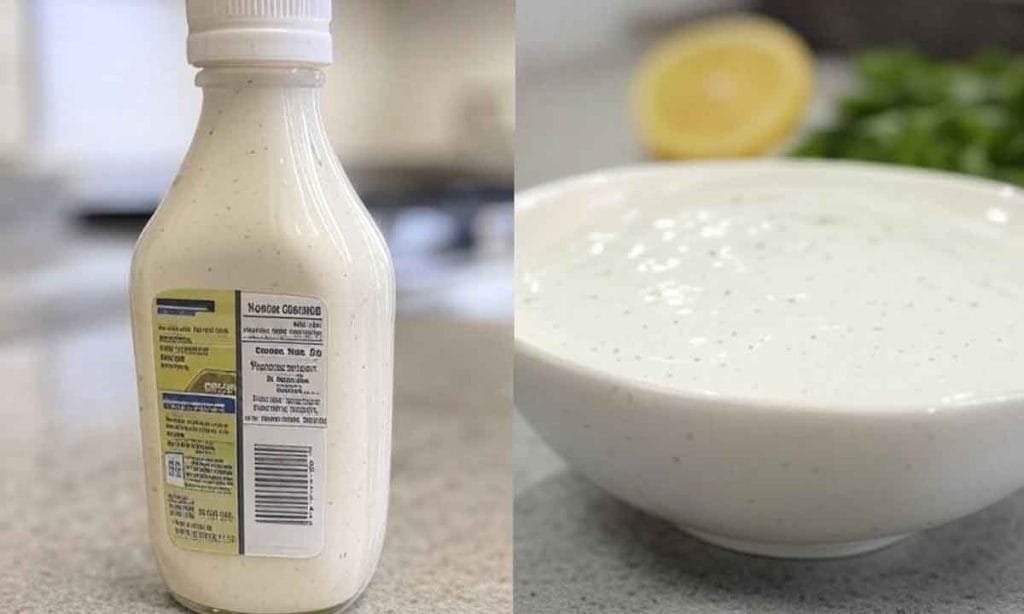
Regarding popular condiments on a keto diet, one question often pops up: Is ranch keto? As a medical expert with years of experience in nutrition, I’m here to break down everything you need to know about ranch dressing and its fit with the ketogenic lifestyle. This guide is written for readers who want clear, trustworthy advice.

Understanding the Keto Diet

Understanding the Keto Diet

The ketogenic, or keto, diet is a low-carbohydrate, high-fat plan that encourages your body to burn fat for energy. Here are the basics:

  • Low Carbs: Typically less than 50 grams per day.
  • High Fat: Usually 70-80% of your daily calories come from fats.
  • Moderate Protein: Enough protein to support muscles without interfering with ketosis.

This diet boosts weight loss, improves mental clarity, and provides steady energy. If you’re wondering is ranch keto, it’s essential to see how its ingredients match these guidelines.


What Is Ranch Dressing?

What Is Ranch Dressing?

Ranch dressing is a classic favorite in many American kitchens. It’s well-loved for its creamy texture and tangy flavor. A traditional ranch is made from:

  • Buttermilk or Sour Cream: Gives it a creamy, tangy base.
  • Mayonnaise: Adds richness and healthy fats.
  • Herbs and Spices: Commonly includes dill, parsley, garlic, and onion powders.
  • Acidic Touch: Lemon juice or vinegar for brightness.

Understanding these ingredients is key to answering the question of ranch keto. Thanks to its high-fat and low-carbohydrate content, ranch dressing fits well with the keto diet in many cases.


Nutritional Breakdown: Is Ranch Keto?

Nutritional Breakdown: Is Ranch Keto?

Key Nutritional Facts

A typical serving (about 2 tablespoons) of ranch dressing usually contains:

  • Calories: 145–160 kcal
  • Fat: 15–16 grams (this is good on a keto diet)
  • Carbohydrates: 1–3 grams
  • Protein: 1 gram

This breakdown shows that ranch dressing is mostly made of fats, making it an excellent option for those following a keto diet. However, recipes can vary, especially regarding added sugars or thickeners.

What to Watch For

When evaluating if it is ranch keto, consider these points:

  • Added Sugars: Some brands add sugar, increasing the carb count.
  • Artificial Additives: Preservatives or artificial flavors may not be ideal.
  • Fat Quality: Look for dressings made with good-quality dairy or olive oil fats.

Nutrient Table

NutrientTypical Value (per 2 Tbsp)Keto-Friendly?
Calories145–160 kcalYes, if consumed in moderation
Total Fat15–16 gYes, as it is the primary fuel
Carbohydrates1–3 gYes, very low carb
Protein1 gYes

This table shows that ranch dressing can work well in a keto diet if you check the label and stick to a healthy version.


Variations: Commercial vs. Homemade Ranch

Variations: Commercial vs. Homemade Ranch

Commercial Ranch

Many store-bought ranch dressings are convenient. However, they may contain:

  • Added sugars
  • Modified food starches
  • Artificial preservatives

Always read the label to ensure the product fits your keto guidelines.

Homemade Ranch

Making ranch dressing at home gives you complete control over what goes in it. Here’s a simple recipe that fits a keto diet:

Ingredients:

  • ½ cup full-fat sour cream
  • ¼ cup mayonnaise
  • 1-2 tablespoons heavy cream
  • 1 teaspoon dried dill
  • 1 teaspoon dried parsley
  • ½ teaspoon garlic powder
  • ½ teaspoon onion powder
  • Salt and pepper to taste
  • Optional: 1 teaspoon lemon juice

Instructions:

  1. Mix all the ingredients in a bowl.
  2. Whisk until smooth.
  3. Chill in the refrigerator for at least one hour to blend the flavors.
  4. Enjoy your favorite keto-friendly snacks or salads.

By preparing your ranch, you avoid unwanted additives and can ensure your dressing remains low-carb and high-fat.


Health Benefits and Considerations

Health Benefits and Considerations

Why Include Ranch in Your Keto Diet?

  1. High Fat for Energy:
    Ranch dressing’s fat content helps keep you in ketosis, vital for burning fat efficiently.
  2. Low Carbohydrates:
    With minimal carbs, ranch dressing won’t disrupt your ketosis, making it a safe meal choice.
  3. Versatility:
    Use ranch as a dip, salad dressing, or topping on your protein-rich meals. It’s a great way to add flavor without extra carbs.
  4. Enhanced Flavor:
    A little ranch can make your meals tastier, helping you stick to your keto plan without feeling deprived.

Considerations to Keep in Mind

  1. Calorie Count:
    Ranch dressing is calorie-dense. Enjoy it in moderation to avoid consuming too many calories.
  2. Ingredient Quality:
    Focus on natural ingredients and avoid versions with added sugars or unnecessary additives.
  3. Digestive Tolerance:
    Some people may be sensitive to dairy. If you have lactose intolerance, consider dairy-free ranch recipes.

Tips for Enjoying Ranch on a Keto Diet

Tips for Enjoying Ranch on a Keto Diet

Portion Control

Even keto-friendly foods can lead to extra calories if you’re not careful. Here are a few tips:

  • Measure It Out: Stick to a 2-tablespoon serving.
  • Balance Your Plate: Pair ranch with fresh, low-carb vegetables like celery, cucumber, or bell peppers.
  • Plan Your Meals: Incorporate ranch into a balanced meal plan rather than using it as an extra topping.

Creative Uses for Ranch

Creative Uses for Ranch

Here are some fun ways to include ranch in your diet:

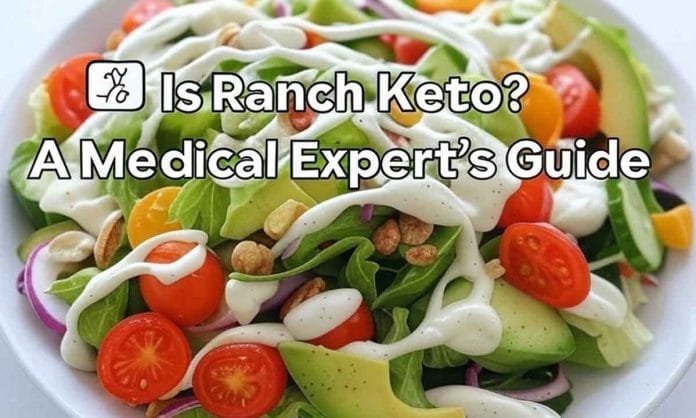
  • Salad Dressing: Drizzle ranch over a mixed green salad with avocado, grilled chicken, and nuts.
  • Vegetable Dip: Use it for raw or lightly steamed vegetables.
  • Topping for Proteins: Add a splash of ranch to grilled meats or keto-friendly burgers.
  • Flavor Boost: Mix with hot sauce for a zesty dip for snacks like pork rinds or cheese crisps.

Real-Life Stories and Expert Advice

Real Life Stories and Expert Advice

A Real-World Example

Consider a 45-year-old who recently switched to a keto diet. They found that adding homemade ranch to their meals:

  • Made salads and snacks more enjoyable.
  • Helped keep their meals interesting.
  • Supported their overall health and weight loss without causing blood sugar spikes.

This real-life case shows that a well-made, keto-friendly ranch dressing can benefit your diet.

Expert Recommendations

Here are some straightforward tips:

  • Read Labels Carefully: Look for dressings with natural ingredients.
  • Choose Homemade When Possible: Making ranch at home avoids unwanted additives.
  • Monitor Your Portions: Monitor serving sizes to stay within your calorie goals.
  • Talk to a Professional: Consult a doctor or registered dietitian if you’re making significant dietary changes.

Frequently Asked Questions About is Ranch Keto

1. Can I Eat Ranch Dressing on a Strict Keto Diet?

Yes, most traditional ranch dressings are keto-friendly due to their high-fat and low-carb content. Always check the label for any added sugars.

2. What Should I Look for on the Label?

Choose ranch dressings that list full-fat dairy, natural herbs, and no added sugars or artificial ingredients.

3. Are There Dairy-Free Versions?

Yes, dairy-free options are made with avocado oil and non-dairy creamers for those with lactose intolerance or dairy sensitivities.

4. How Can I Make Ranch Dressing at Home?

Try our simple recipe above. Homemade ranch lets you control the ingredients and ensure they stay keto-friendly.

5. Will Ranch Dressing Affect My Weight Loss?

Ranch dressing should not hinder your progress when used in moderation and as part of a balanced keto diet. Just be mindful of your overall calorie intake.

6. Is ranch keto-friendly?

Yes, ranch dressing is typically keto-friendly because it’s high in fat and low in carbohydrates. Just check the label for added sugars or starches.

7. Is ranch keto if it’s store-bought?

Most store-bought ranch dressings are keto, but some may contain hidden sugars or preservatives. Always read the nutrition label to confirm it fits your keto macros.

8. How many carbs are in ranch dressing?

A standard 2-tablespoon serving of ranch contains about 1–3 grams of carbohydrates, making it suitable for a keto diet when consumed in moderation.

9. Can I eat ranch on a strict keto diet?

Yes, you can enjoy ranch on a strict keto diet if it’s made with keto-approved ingredients and doesn’t exceed your daily carb limit.

10. What ingredients make ranch keto-friendly?

Keto-friendly ranch should be made with full-fat dairy, mayonnaise, herbs, and no added sugars. Avoid versions with corn syrup or starchy thickeners.

11. Is homemade ranch dressing better for keto?

Yes, homemade ranch is often better for keto because you control the ingredients and avoid hidden carbs found in some commercial versions.

12. Can ranch dressing stall weight loss on keto?

Ranch itself won’t stall weight loss, but it is calorie-dense. Eating too much can affect your calorie goals, so stick to recommended portions.

13. What are keto-friendly alternatives to ranch?

Other keto-friendly dressings include Caesar, blue cheese, olive oil vinaigrettes, and avocado-based dressings. These are also low in carbs and high in fat.


Conclusion

To sum it up, the answer to is ranch keto is generally yes—if you choose your ingredients wisely and watch your portions. Ranch dressing is high in fat and low in carbohydrates, making it an excellent fit for the keto diet. Whether you buy it from the store or make it at home, enjoy it as part of a balanced meal plan.

Remember, using natural ingredients, checking labels, and controlling your portions is key. This approach keeps your meals delicious and supports your health goals on the keto journey. Enjoy the tangy flavor of ranch and experiment with new recipes that make your diet tasty and nutritious.

Take charge of your keto lifestyle by making informed choices. If you have doubts or need personalized advice, consult a healthcare professional. Enjoy your meals and embrace the benefits of a balanced, keto-friendly diet.


Sources


Embrace your keto journey with confidence, clear guidance, and delicious flavors. Let this guide help you make the best healthy choices, one tasty bite at a time.

This article is for informational purposes only and should not replace professional medical advice. Always consult a healthcare provider for personalized recommendations.

Mike Pompeo Weight Loss Journey: How He Dropped 90 Pounds in Six Months

0
Mike Pompeo Weight Loss Journey

With one glance at Mike Pompeo weight loss story, it’s clear why people are buzzing about his weight loss. Shedding 90 pounds in six months isn’t just impressive—it’s inspiring.

The best part? Pompeo, a former Secretary of State with one of the most demanding schedules imaginable, didn’t rely on quick fixes or extreme diets. Instead, he made realistic, sustainable changes to his eating and exercise habits. This makes his story relatable and attainable for anyone looking for a fresh start.

If you’ve been holding off on prioritizing your health, Pompeo’s approach could be the motivation you need. Start small. Stay consistent. As Pompeo shows, the results can transform your body and every part of your life.

mike pompeo weight loss before and after

The Real Turning Point

Mike Pompeo’s weight gain was not what it was—a product of years of stress, travel, and an unpredictable lifestyle. When he stepped on the scale in summer 2021, the number staring back at him was nearly 300 pounds.

That moment was his wake-up call.”I felt unhealthy and tired all the time,” Pompeo admitted.”I wasn’t being my best self for my family or work.”

But instead of feeling defeated, Pompeo took action. What makes his transformation so remarkable is that he lost the weight but how manageable his approach was.

How Did Mike Pompeo Lose the Weight?

How Did Mike Pompeo Lose the Weight?

Pompeo’s strategy centered around three key areas. These weren’t tricks or extreme measures. Instead, they were simple, intentional habits that anyone could adopt.

1. Overhauling His Diet

Forget crash diets or extreme calorie-cutting. Pompeo focused on retraining his eating habits to support sustainable success.

Here’s the diet breakdown that worked for him:

  • Say Goodbye to Fast Food: With a busy political schedule, fast food has been a staple for Pompeo. He swapped it out for home-cooked, nutritious meals that kept him whole and energized.
  • Portion control is key. Pompeo practiced mindful eating instead of large meals, aiming for smaller portions that didn’t feel stuffed.
  • Prioritize Whole, Nutrient-whole FNutritiousifoodchicken roasted veggies, quinoa, and healthy fats like avocado. Pompeo’s meals were simple and satisfying.
  • Cut Back on Sugar: Sodas, desserts, and high-sugar snacks were replaced with healthier, lower-calorie options.

He didn’t turn his life upside down.”It wasn’t about depriving myself,” Pompeo shared.”It was about making better choices one step at a time.”

2. Building a Routine for Movement

Pompeo didn’t want to be a gym fanatic or start marathon training. Instead, he leaned into small, consistent actions that fit naturally into his lifestyle.

  • Daily Walks: Walking became his go-to exercise. Whether on a treadmill or outdoors, Pompeo made it a non-negotiable part of his day.
  • Short Workouts That Count: His fitness routine included 30-minute sessions a few days a week featuring essential cardio and light strength training.
  • Commit to Consistency: Pompeo prioritized staying positive even with his unpredictable schedule. If he had time, he used it—even if it was just a quick stretch or stroll.

What’s the lesson here? You don’t have equipment or hours. Moving your body daily, even in small ways, can have a considerable impact.

3. Strengthening His Mindset

Weight loss is just as much a mental transformation as physical, and Pompeo knew this well.

“It was never just about the scale,e” he explained.””It became about finding energy, feeling lighter in spirit, and having the clarity to show up more substantial, more assertive

These mindset shifts helped Pompeo focus on the bigger picture, even on tough days. Progress wasn’t, but by celebrating small victories, he kept himself motivated.

The Challenges Pompeo Faced

Like anyone on a weight loss journey, Pompeo had moments when his progress wasn’t steady. His favorite foods, like French fries and ice cream, still popped up. Social events and dining out regularly tried to derail his progress.

But Pompeo credits his success to planning and consistency. He avoided temptation when traveling or dining with others by eating nutrient-packed meals and packing healthier snacks.

“The key wasn’t to be perfect,” he noted. “It was about showing up each day and doing my best.”

What Can You Learn From Mike Pompeo’s Story isn’t about

Mike Pompeo’s story isn’t losing weight. It’s about improving your overall health, making one manageable choice at a time.

Here’s what we can all take away from his approach:

  • Start Small, But Start Now: Don’t Wasn’t the perfect plan or Monday morning to begin? Start with one step today.
  • Consistency is everything. It’s being perfect every day and making minor improvements you can repeat.
  • Focus on What Works for You: Sustainable weight loss happens when healthy habits fit into your lifestyle, not vice versa.
  • Celebrate Non-Scale Wins: Feeling stronger, sleeping better, and having more energy are all victories worth recognizing.

What makes Pompeo so relatable is how achievable it feels. He didn’t. He did n’t-celebrity-endorsed plan or hire expensive trainers. His habits are things anyone can replicate.

Where Is Pompeo Now?

Fast forward to 2025, and Mike Pompeo has maintained his 90-pound weight loss. He openly admits that keeping it off is a challenge, but the foundation he built during those initial six months has kept him steady.

“It’s about making health a lifelong priority,” Pompeo said.””You don’t. have to get it right all the time, but you do need to stay committed. Ed.d.”

He continues to inspire others by sharing his message that significant changes start with small, consistent decisions.

Your Step-By-Step Guide to Begin Today

If Pompeo’s moved you, there’s g there’s. You can start your transformation today with small, actionable steps.

Here’s a quick plan to get you started:

  • Cut Back on One Unhealthy Food: Swap soda for water, chips for nuts, or fast food for a homemade meal.
  • Take a 10-Minute Walk: Start small. Even short bursts of activity can build momentum.
  • Plan Your Meals: Prepping meals at home reduces decision fatigue and helps you stay on track.
  • Celebrate the Small Wins: Acknowledge every ounce of progress, even if it doesn’t.
  • Stay Patient With Yourself: Remember, change takes time. Be kind to yourself through the process.

The hardest part is starting, but every little step you take today makes tomorrow easier.

FAQs About Mike Pompeo Weight Loss

1. How much weight did Mike Pompeo lose, and in how much time?

Mike Pompeo lost an impressive 90 pounds in six months. His transformation is a testament to the power of small, sustainable lifestyle changes.

2. What inspired Mike Pompeo to start his weight loss journey?

Stepping on the scale and seeing his weight nearing 300 pounds was a wake-up call for Pompeo. He was determined to improve his health for himself and his family.

3. What methods did Mike Pompeo use to lose weight?

Pompeo focused on three main areas: simplifying his diet, incorporating daily movement like walking, and maintaining a positive, goal-oriented mindset.

4. What changes did Mike Pompeo make to his diet?

He eliminated fast food, reduced portions, prioritized whole, nutrient-dense foods like lean proteins and vegetables, and cut back on sugary snacks and drinks.

5. Did Mike Pompeo follow a strict exercise regimen?

Not at all. Pompeo kept it simple with daily walks, light cardio, and occasional strength training. His focus was on consistency rather than extremes.

6. Did Mike Pompeo face challenges during his weight loss?

Yes. Like many, he struggled with cravings for unhealthy foods and managing social or travel situations. Preparation and consistency helped him overcome those obstacles.

7. What are the key takeaways from Mike Pompe story?

Pompeo’s statement highlights the importance of starting small, staying consistent, focusing on realistic habits, and being patient with yourself through the process.

8. How has Mike Pompeo maintained his weight loss?

By continuing to prioritize healthy eating, daily movement, and the mindset shifts he developed during his initial six-month transformation, Pompeo has kept the weight off.

9. Can anyone replicate Mike Pompeo’s approach?

Absolutely. Mike Pompeo’s focus on simple, manageable steps makes his weight loss methods achievable for anyone looking for a healthier lifestyle.

10. Where can I start if I want to lose weight like Mike Pompeo?

Begin with minor changes, like cutting out sugary drinks, taking short daily walks, and preparing healthy meals ahead of time. The key is starting with what feels manageable for you.

Final Thoughts

The Mike Pompeo weight loss story is more than a physical transformation. It proves we’re making incredible things with dedication, small changes, and a focus on health.

Pompeo didn’t wait for the perfect opportunity to prioritize his health, nor should you. Start now. Take one actionable step today. Remember, it’s not ideal progress.

Your future self will thank you for the effort you begin right now.


Sources

Health is a lifelong priority. What will you do today to strengthen yours? Commit yourself and watch how small changes lead to significant results.

Is Keto Crotch Real? Everything You Need to Know

0
Is Keto Crotch Real

Have you recently started the ketogenic diet and noticed some surprising changes? While the keto lifestyle offers benefits like weight loss and better energy, some people report unexpected side effects—including something called “keto crotch.” This term describes a change in vaginal odor that some women experience after going keto. But is it real, and what can you do about it?

Here, we’ll explore the possible causes, symptoms, and practical tips to prevent or manage keto crotch so you can stay confident while enjoying your keto journey.

What Is Keto Crotch?

What Is Keto Crotch?

If you’re on a ketogenic diet or thinking about starting one, you’ve probably heard of common side effects like “keto flu” or keto breath. But what about the keto crotch? While it sounds like a quirky internet rumor, some people transitioning to the keto diet claim they experience changes in vaginal odor, often described as sour or fishy.

“Keto crotch” refers to an odor shift that may occur when the body adapts to a high-fat, low-carb diet. Some women have reported this as a temporary issue after starting keto. While there isn’t direct scientific evidence linking keto to this specific side effect, its symptoms closely resemble changes associated with vaginal pH imbalance or bacterial vaginosis (BV).

Key Takeaway:

Keto crotch isn’t a formally recognized medical condition, but it could stem from the biological changes caused by switching to keto. Luckily, many women find it manageable with dietary tweaks and proper care.

What Causes Keto Crotch?

What Causes Keto Crotch?

The ketogenic diet forces the body to burn fat instead of carbs for energy, creating chemical byproducts called ketones. These ketones are excreted through various pathways, including breath, urine, and sweat. This natural shift in body chemistry could explain increased or altered body odor, including vaginal odor for some.

Here are the most likely contributors to keto crotch:

1. Vaginal pH Changes

Your vagina naturally maintains a slightly acidic environment (pH 3.8–4.5), which supports healthy bacteria and prevents the overgrowth of harmful microbes. Keto’s reliance on high-fat, low-carb foods may increase vaginal pH, making it more alkaline. An alkalized vaginal environment creates room for bacterial growth, which often results in odor, irritation, or infections like BV.

Studies on high-fat diets have suggested a connection between fat intake and elevated pH levels, aligning with keto-related odor reports.

2. Acetone and Ketones

One of the ketones your body produces during ketosis is acetone. While harmless, it has a distinct smell, often compared to nail polish remover. Acetone can influence your breath and odors from sweat-rich areas, like your groin.

3. Hormonal Imbalances

For women, keto’s low-carb approach can disrupt hormones, particularly the stress hormone cortisol. Elevated cortisol can throw off vaginal health by affecting blood sugar regulation and even microbiome balance.

4. Microbiome Disruptions

Cutting carbs drastically reduces your intake of prebiotic fibers, which are essential for healthy gut and vaginal bacteria. This shift in the microbiome might amplify keto crotch for some women, especially in combination with hormonal shifts and pH changes.

Symptoms of Keto Crotch

Symptoms of Keto Crotch

Those who experience keto crotch commonly describe symptoms such as:

  • A noticeable change in vaginal odor (often sour or fishy).
  • Altered or increased discharge.
  • Mild itching or irritation (less common).

If these symptoms persist or worsen, consult a healthcare provider. You may be experiencing bacterial vaginosis or another condition unrelated to keto.

How to Manage and Prevent Keto Crotch

How to Manage and Prevent Keto Crotch

If the keto crotch is putting a damper on your low-carb lifestyle, don’t panic. There are simple steps you can take to address and prevent it. Most people notice the symptoms fade as their body adapts to ketosis, but here’s how you can speed that process along:

1. Stay Hydrated

Drinking more water helps flush excess ketones from your system, reducing the buildup of odor-causing compounds. Aim for at least 8-10 glasses daily.

2. Balance Your Diet

While keto is all about fats, you can balance your intake by adding alkaline and nutrient-dense foods like:

  • Dark leafy greens (spinach, kale).
  • Broccoli and cauliflower.
  • Nuts like almonds and walnuts.
    These foods may help counteract changes in vaginal acidity.

3. Add Probiotics

Probiotics can restore healthy bacteria to your gut and vaginal microbiomes. Options include:

  • Yogurt and kefir (low-sugar varieties!).
  • Probiotic supplements are designed for vaginal health.

4. Monitor Hygiene

Good hygiene practices can reduce odor-related anxiety, but be cautious:

  • Avoid scented soaps or douching, as they disturb your vaginal microbiome.
  • Stick to mild, pH-balanced cleansers.

5. Adjust Your Carb Levels

Consider increasing your carb intake slightly if the keto crotch becomes persistent. Consuming 30-50 grams of carbs daily instead of ultra-low levels (below 20 grams) can sometimes diminish side effects without kicking you out of ketosis.

6. Chlorophyll Supplements

Chlorophyll, found in plants like parsley and spinach, is often dubbed a natural deodorizer. Adding chlorophyll-rich foods or supplements to your routine could help reduce body odors.

7. Consult an Expert

If the keto crotch isn’t resolving with these adjustments, consider speaking to a dietitian who specializes in ketogenic diets. They can help personalize your approach and balance your macros better to suit your body.

Does Keto Crotch Go Away?

Does Keto Crotch Go Away?

The good news is that the keto crotch almost always goes away on its own. Once your body fully adapts to ketosis (usually within a few weeks), side effects like odor changes tend to diminish or disappear entirely.

Other Side Effects of Keto

Other Side Effects of Keto

Keto crotch isn’t the only quirk of going low-carb. Here’s a look at a few other common keto-related symptoms people experience during the initial phase of adjustment:

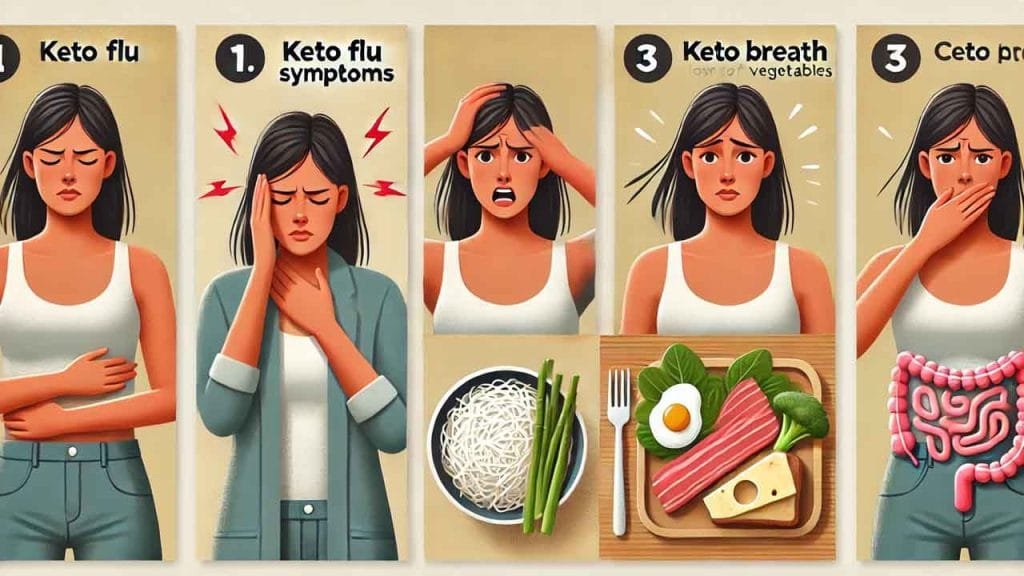
  • Keto Flu: Symptoms like fatigue, headaches, and irritability as your body transitions to ketosis.
  • Keto Breath: A sweet or acetone-like smell in your breath due to high ketone production.
  • Constipation: Often caused by the lack of fiber in many keto-approved foods.

These side effects are typically short-lived and resolve as your body adapts.

Real-Life Stories

Real-Life Stories

Vanessa’s Experience:
“When I started keto, I noticed a strange odor after week two. I was drinking a ton of coffee and eating mostly cheese and meat. After adding spinach and taking a probiotic, things returned to normal within a few days.”

Laura’s Experience:
“As someone with a history of BV, keto crotch felt familiar at first. Hydration and leafy greens turned it around for me. Now I’m eight months in and feeling great!”

Is Keto Right for You?

Is Keto Right for You?

Keto has many potential benefits, including weight loss, improved metabolism, and better blood sugar control. However, like any diet, it’s not without its downsides. The key to success is listening to your body, monitoring its response, and adjusting to stay healthy and balanced.

FAQs About Keto Crotch

1. What is a keto crotch?

Keto crotch is a term used to describe a noticeable change in vaginal odor that some women experience after starting a ketogenic diet. While not scientifically recognized, it’s believed to result from changes in body chemistry, vaginal pH, or microbiome balance during ketosis.

2. Is keto crotch an actual condition?

There isn’t direct scientific evidence about the keto crotch being a proven condition. However, personal accounts and observations suggest it may happen due to body and hormonal adjustments when switching to a high-fat, low-carb diet.

3. What causes keto crotch?

Potential causes include:
📌Changes in vaginal pH due to dietary shifts toward high-fat and low-carb foods.
📌Elevated ketone production, which can alter body odors.
📌Reduced carbohydrate intake affecting gut and vaginal microbiomes.
📌Hormonal imbalances caused by the ketogenic diet.

4. How long does the keto crotch last?

For most women, the keto crotch is temporary and resolves once the body adapts to ketosis. This adjustment phase typically lasts a few weeks.

5. Can men experience keto crotch?

Not exactly. While men don’t have the same anatomy, keto may similarly affect other body odors, such as sweat or breath, due to the production of ketones.

6. How can I prevent or manage keto crotch?

To reduce symptoms, try these tips:
📌Stay hydrated to flush ketones from your body.
📌Eat alkaline-rich, fiber-filled foods like leafy greens.
📌Take probiotics to support a healthy microbiome.
📌Practice good Hygiene with mild, pH-balanced cleansers.
📌Avoid extreme low-carb intakes; slightly increase your carbs if needed.

7. Does keto crotch mean something is wrong?

Not necessarily. Keto crotch is usually harmless and a sign that your body is adjusting to the diet. However, if symptoms like strong odor, discomfort, or unusual discharge persist, consult a healthcare professional to rule out other conditions like bacterial vaginosis.

8. Does everyone on keto get a keto crotch?

No, not everyone experiences keto crotch. Individual responses to the ketogenic diet vary based on hormonal balance, microbiome health, and diet composition.

9. Can the keto crotch come back after it goes away?

If your body experiences significant dietary changes again, such as fluctuating carb or fat intake, it may recur. Maintaining balance and healthy habits can help prevent this recurrence.

10. Is a keto crotch the same as a yeast infection?

No, keto crotch is different from a yeast infection. While keto crotch may involve odor or pH changes, yeast infections typically cause itching, burning, and thick discharge. Always check with a healthcare provider if symptoms overlap.

11. Can stopping the keto diet cure keto crotch?

Yes, in some cases, stopping keto or adjusting your macros to include more carbs may help eliminate keto crotch as your body returns to its previous state. However, it’s not always necessary to abandon keto altogether, as the issue is often manageable with tweaks.

12. Is there a medical treatment for the keto crotch?

There isn’t a specific medical treatment since the keto crotch isn’t a formally recognized condition. However, if symptoms worsen or you suspect an infection, your doctor may treat underlying issues like bacterial vaginosis.

Final Thoughts

While the keto crotch may sound strange, it’s just one of the possible ways your body might react to the ketogenic diet. This odor-related side effect is temporary and often fixable with small dietary changes, probiotics, and proper hydration.

If you experience significant discomfort or other unusual symptoms, it’s best to consult with a healthcare professional. Your body is unique, and finding the diet and lifestyle that work best for you is essential.

Remember, adapting to keto takes time, but with the right approach, you can enjoy its benefits without unnecessary stress or embarrassment.


Sources

  1. bostonmagazine.com Boston Magazine article on keto crotch and media coverage.
  2. uqora.info Uqora article discussing keto crotch and dietary influences on vaginal pH.
  3. globalnews.ca Global News report on the keto diet and vaginal health.
  4. forbes.com Forbes article exploring potential links between keto and changes in vaginal odor.
  5. people.com People magazine’s take on keto crotch and its potential causes.
  6. brokenscience.orgEmpowered Health podcast and report discussing media hype versus clinical evidence.
  7. healthshots.com Healthshots piece detailing how pH imbalance from a keto diet might contribute to vaginal infections.
  8. businessinsider.com Business Insider report on the theoretical basis of keto crotch and dietary fat’s role.
  9. perfectketo.com Perfect Keto’s evidence-based review debunking keto crotch as a scientifically supported side effect.
  10. cliffharvey.com Dr. Cliff Harvey’s analysis of dietary fat, bacterial vaginosis, and their relation to keto crotch.

By staying informed and adopting a balanced approach to your nutrition, you can enjoy the benefits of the ketogenic diet without unnecessary worry about unproven side effects. Remember, if you experience any persistent changes in your health, consulting a medical professional is always the best course of action.

Written with expertise and dedication to evidence-based women’s health, this article aims to empower readers with the facts behind the phenomenon known as keto crotch.

Selena Gomez Weight Loss: How She Balances Health & Wellness

0
Selena Gomez Weight Loss Secrets Revealed

Selena Gomez Weight Loss: Selena Gomez isn’t just famous for her music and acting; she’s known for her unfiltered honesty about life’s ups and downs. Her appearance at the 2025 Screen Actors Guild Awards recently had everyone talking. And no, it wasn’t just about her stunning navy gown or red carpet confidence – many noticed her slimmer, more toned look. Naturally, this sparked some online chatter (as it always does).

But here’s the thing about Selena Gomez’s weight loss story—it’s not about crash diets, secret potions, or giving in to Hollywood pressures. It’s about health, resilience, and putting herself first. Stick around if you’ve been curious about how she’s achieved this transformation while dealing with significant health challenges. There’s a lot to learn from Selena’s approach to wellness.

The Story Behind Selena Gomez Weight Loss

The Story Behind Selena Gomez Weight Loss

Selena has been open about her weight going up and down over the years, mainly because of her lupus diagnosis in 2015. Lupus is an autoimmune disease that brings its fair share of challenges, including fatigue, inflammation, and weight changes. On top of that, some of the medications she takes to manage her symptoms, like corticosteroids, can cause water retention and increased appetite.

And there’s more to the puzzle. In late 2024, Selena revealed that she has a condition called Small Intestinal Bacterial Overgrowth (SIBO). This condition causes an overgrowth of bacteria in the small intestine, leading to symptoms like bloating, nausea, and weight fluctuations.

Selena has never been the one to stay quiet when people speculate about her body. After a TikTok comment about her appearance went viral, Selena responded like a true queen. “I have SIBO. It flares up. I don’t care that I don’t look like a stick figure—end of story. No, I am NOT a victim. I’m just human.” That’s the kind of energy we can all aspire to.

The 2025 SAG Awards and Online Speculation

Fast forward to the 2025 SAG Awards. Selena arrived in a jaw-dropping dress, oozing confidence and radiance. It didn’t take long for the internet to go wild, with some praising her gorgeous gown and others speculating about her slimmer physique.

Unfortunately, a few people couldn’t resist suggesting she had used weight-loss drugs like Ozempic. (Thanks, internet.) But Selena and her team quickly cleared this up, emphasizing that her weight changes are due to her health conditions and the medications she uses to manage them.

Selena is inspiring because she doesn’t shy away from the noise. Instead, she uses moments like these to educate people about lupus, SIBO, and the reality of living with chronic health conditions.

Selena’s Balanced Approach to Wellness

The part that matters most about Selena Gomez’s weight loss story is not about extremes, diets, or striving for some ideal body type. It’s about staying healthy in a way that works for her.

1. She Eats for Nourishment, Not Restriction

Selena isn’t into trend diets or starving herself to fit a mold. Her meals are balanced and filled with whole foods that support her energy and overall health. Think lean proteins like chicken, plenty of fresh veggies, and complex carbs like sweet potatoes and quinoa.

For someone like Selena, managing inflammation is also a priority. Salmon, turmeric, spinach, and avocado are staples in her diet because of their anti-inflammatory properties. And yes, healthy snacks like nuts, hummus, and fresh fruit are always in her arsenal.

2. She Listens to Her Body

Living with lupus and SIBO means Selena has to be extra mindful of how her body feels. Some days, she needs extra rest; on others, she may have more energy to focus on workouts or her work. The key? Listening to what her body needs instead of pushing too hard.

That’s a great takeaway for all of us. Health isn’t about hustling non-stop. It’s about balance, rest, and giving yourself grace when you’re not feeling 100%.

3. Her Fitness Routine Is Kind and Consistent

Selena doesn’t spend hours in grueling gym sessions. She focuses on exercises that build strength and flexibility while keeping her body feeling good. Think yoga to stretch and unwind, Pilates for core strength, and light resistance training to stay strong.

She also keeps it fun! Selena loves dancing and brisk walks, proving that fitness doesn’t have to feel like a chore when you find the right activities.

Shutting Down Body Shamers

Over the years, Selena has dealt with more than her fair share of online criticism about her body. And yet, she handles it with confidence and class. When trolls tried to shame her after a premiere last year, Selena didn’t just clap back; she dropped a truth bomb.

“I’d much rather be healthy and take care of myself,” Selena said, reminding everyone that her medications are necessary, even if they sometimes affect her weight.

Selena has become a role model for body positivity and self-love by staying true to herself and ignoring impossible beauty standards. If there’s one thing we can learn from her, it’s to stop comparing ourselves to others and appreciate our bodies for what they do for us daily.

Lessons We Can Learn from Selena's Weight Loss Journey

Lessons We Can Learn from Selena’s Weight Loss Journey

Selena’s story isn’t just about what she eats or how she exercises. It’s a masterclass in resilience, self-acceptance, and learning to prioritize what matters. Here are some of the key takeaways:

  1. Your Health Comes First
    Whether making dietary changes or scaling back hard workouts, Selena focuses on what’s best for her well-being. Weight loss should never come at the expense of your health.
  2. Small Changes Add Up
    Selena doesn’t rely on drastic measures to stay healthy. Instead, she sticks to manageable habits, like eating nutrient-packed foods and staying active in low-impact ways. The result? Fundamental, lasting changes.
  3. It’s Okay to Take Up Space
    Society loves to tell us what we should look like, but Selena proves there’s power in shutting that noise out. We’re all built differently, and that’s a beautiful thing.
  4. Wellness Isn’t Perfection
    Selena’s weight changes are a reminder that health is a lifelong journey. Ups and downs happen, and that’s part of being human.

Frequently Asked Questions About Selena Gomez Weight Loss

1. How did Selena Gomez manage her weight loss while dealing with lupus?

Selena focuses on a balanced lifestyle, incorporating anti-inflammatory foods, mindful exercise, and rest to manage lupus and maintain her health.

2. What is the connection between Selena Gomez’s weight loss and SIBO?

Small Intestinal Bacterial Overgrowth (SIBO) can cause weight fluctuations. Selena’s weight changes are partly influenced by managing this condition with her healthcare team.

3. Did Selena Gomez use any diet trends or weight loss medications?

Selena’s weight loss isn’t linked to diet fads or medications like Ozempic. Her changes result from managing chronic illnesses and adopting a balanced wellness routine.

4. What does Selena Gomez eat to stay healthy?

Selena’s meals include whole foods like lean protein, veggies, and healthy fats. She avoids extreme diets and instead focuses on nourishing her body for energy and health.

5. What kind of workouts does Selena Gomez do?

Selena prefers gentle, consistent exercise like yoga, Pilates, resistance training, dancing, and brisk walks. These activities help her stay fit without overexhausting her body.

6. How does Selena Gomez handle body shamers?

Selena responds gracefully and honestly, emphasizing health’s importance over societal beauty standards. She advocates for self-love and body positivity.

7. What are the most significant health challenges Selena faces with lupus?

Lupus can cause fatigue, inflammation, and weight changes. Selena manages these symptoms with medication and a lifestyle prioritizing balance and well-being.

8. Does Selena Gomez view weight loss as her main goal?

Not at all. Selena focuses on staying healthy and feeling mentally and physically sound rather than conforming to any specific beauty ideal.

9. What lessons can we learn from Selena Gomez’s weight loss story?

Selena’s approach teaches us to prioritize health, take small, manageable steps, ignore unrealistic beauty standards, and practice self-acceptance.

10. How does Selena Gomez inspire others with her wellness journey?

Selena’s openness about her struggles and triumphs inspires others to embrace a realistic, compassionate approach to health and wellness. She shows it’s okay to have ups and downs.

Wrapping It All Up

Selena Gomez weight loss story isn’t about getting smaller. It’s about growing more assertive mentally and physically in the face of challenges. From living with lupus to managing SIBO, Selena shows us the value of resilience and putting health first.

If Selena’s approach inspires you, start small! Try incorporating a few nutritious foods into your meals or carving out time for self-care. And don’t forget—what matters most is how you feel—not what anyone else thinks. You’re already amazing, just as you are.

Sources

What Is the Keto Diet? Understanding the Popular High-Fat, Low-Carb Trend

0
What is the keto diet

The ketogenic diet, often called the “keto diet,” has taken the health and wellness world by storm in recent years. But what is the keto diet, and why is it so popular? Rooted in science and widely adopted for its potential benefits such as weight loss and improved energy levels, the keto diet focuses on a high-fat, low-carbohydrate eating pattern that shifts your body into a ketosis metabolic state. Let’s tell you everything you need to know about this dietary approach, its benefits, challenges, and how to get started.

What Is the Keto Diet for Weight Loss?
Table of contents
  1. What Is the Keto Diet?
  2. Why Follow the Keto Diet? Key Health Benefits
  3. Getting Started with the Keto Diet
  4. Challenges of the Keto Diet
  5. Is the Keto Diet Right for You?
  6. Real-Life Success Stories
  7. Tips for Long-Term Success
  8. FAQs About What is the keto diet
  9. Final Thoughts
  10. S, please consult a health professional.

What Is the Keto Diet?

The keto diet is a low-carbohydrate, moderate-protein, high-fat diet designed to send your body into ketosis, a natural metabolic process. Typically, the human body relies on carbohydrates as its primary energy source. However, when you significantly reduce carb intake, your body begins using fat for fuel instead, converting it into molecules called ketones that supply energy for your brain, muscles, and other organs.

The keto diet originated nearly a century ago as a therapeutic tool for managing epilepsy, particularly in children. Today, it is widely used not only for specific medical conditions but also to support weight loss, improve metabolic health, and even boost mental clarity.

Macronutrient Breakdown of Keto

Macronutrient Breakdown of Keto

A standard ketogenic diet generally contains:

  • 75% fats (from sources like oils, nuts, seeds, and avocados)
  • 20% protein (found in meat, poultry, fish, or plant-based alternatives)
  • 5% carbohydrates (mainly from low-carb vegetables)

This breakdown minimizes glucose production and encourages the production of ketones, leading to the fat-burning benefits the diet is known for.

How Does Ketosis Work?

How Does Ketosis Work?

Ketosis occurs when carb intake is reduced to approximately 20-50 grams daily, depending on factors like activity level and metabolism. Without enough carbohydrates to break down into glucose, the liver starts converting fat stores into ketones, which are used for energy. This shift helps the body burn fat more efficiently and improves its metabolic processes.

Why Follow the Keto Diet? Key Health Benefits

Why Follow the Keto Diet? Key Health Benefits

People adopt the keto diet for various reasons, ranging from weight loss to better mental focus. Here are some of the most commonly discussed benefits:

1. Weight Loss

One of the primary reasons people turn to the keto diet is its potential for rapid weight loss. Your body converts stored fat into fuel by drastically reducing carbs and prioritizing fat and protein. Research shows that low-carb diets like keto can lead to more significant weight loss in the short term compared to traditional calorie-restricted diets.

2. Improved Blood Sugar and Insulin Levels

For individuals with type 2 diabetes or insulin resistance, the keto diet may help stabilize blood sugar and improve insulin sensitivity. A low carbohydrate intake reduces glucose fluctuations and keeps insulin levels more stable.

3. Enhanced Mental Clarity and Focus

Ketones are considered an efficient fuel source for the brain. Many people report improved mental clarity and sustained focus, likely due to the stabilization of blood sugar levels and the brain’s reliance on ketones for energy.

4. Better Energbrains

Without the energy crashes that often follow a high-carb meal, keto followers typically feel more energized throughout the day. Eating primarily fats and proteins provides a steady source of fuel.

5. Support for Certain Medical Conditions

Beyond weight loss, the keto diet has been explored as a potential dietary intervention for various medical conditions, including:

  • Epilepsy (its original intended use)
  • Polycystic Ovary Syndrome (PCOS)
  • Alzheimer’s disease
  • Certain cancers (as part of a complete treatment plan)
Getting Started with the Keto Diet

Getting Started with the Keto Diet

Transitioning to the keto lifestyle might seem overwhelming at first, but with careful planning, it doesn’t have to be. Here’s how to begin:

1. Calculate Y doesn’tros‘s

Starting the keto diet is understanding how much fat, protein, and carbs you should eat daily. Online tools like keto calculators can help you determine your macronutrient needs based on age, weight, activity level, and goals.

2. Stock Up on Keto-Friendly Foods

Some of the most popular foods on the keto diet include:

  • Healthy Fats: Avocados, olive oil, butter, coconut oil, and nuts
  • Protein Sources: Beef, chicken, fish, eggs, and tofu
  • Low-Carb Vegetables: Spinach, broccoli, zucchini, kale, and cauliflower
  • Other Staples: Cheese, unsweetened almond milk, and keto-friendly sweeteners like stevia

Avoid high-carb foods like bread, pasta, rice, pastries, and sugary snacks.

3. Meal Planning

Planning meals can make sticking to your carb and fat targets easier. Consider preparing breakfast, lunch, and dinner recipes that fit the keto guidelines. For example:

  • Breakfast: Scrambled eggs with avocado and bacon
  • Lunch: Grilled chicken salad with olive oil dressing
  • Dinner: Baked salmon with cauliflower rice

4. Stay Hydrated

Low-carb diets can lead to fluid loss, so drink plenty of water. Adding electrolyte-rich foods or supplements can help prevent dehydration.

5. Monitor Your Progress

Track your macronutrients daily with an app or food diary. Many keto followers also measure ketone levels using urine strips or a blood monitor to ensure they’ve entered ketosis.

Challenges of the Keto Diet

Challenges of the Keto Diet

Although the keto diet offers many benefits, it’s not without challenges. Here are some common issues people face:

1. The Keto Flu

When starting the diet, individuals report flu-like symptoms such as fatigue, headaches, and irritability. This occurs as the body adapts to burning fat instead of carbs. Increasing fluid intake and electrolytes can help alleviate these symptoms.

2. Restrictive Nature

Adhering to such a strict eating plan can feel restrictive, especially in social settings where high-carb foods dominate. Some people find it hard to maintain this diet long-term.

3. Nutrient Deficiencies

Eliminating fruits, grains, and legumes can lead to specific vitamin and mineral deficiencies. You may need to take supplements to meet your nutritional needs.

4. Digestive Changes

The sudden increase in fat and reduced fiber-rich foods may cause digestive issues like constipation. To counter this, include keto-friendly, fiber-rich vegetables in your meals.

Is the Keto Diet Right for You?

Is the Keto Diet Right for You?

The keto diet isn’t a one-size-fits-all approach and may not be suitable for everyone. People with certain medical conditions, such as kidney disease, should avoid it. In contrast, others should consult their doctor before starting, particularly if they’re pregnant, breastfeeding, or on medication for diabetes or high blood pressure.

They might be worth trying for health goals like weight loss or improved energy levels. However, as with any diet, success depends on consistency, planning, and how well it fits your lifestyle.

Real-Life Success Stories

Real-Life Success Stories

Many individuals have shared inspiring stories of how the keto diet changed their health. For example, Sarah, a 35-year-old mother of two, lost 20 pounds in three months and reported enhanced focus and energy. Similarly, Jake, a 42-year-old with type 2 diabetes, noticed significant improvements in his blood sugar levels after just six weeks.

Personal testimonies like these highlight the potential impact of following a ketogenic lifestyle.

Tips for Long-Term Success

To maintain long-term success on the keto diet:

  1. Focus on Whole, Unprocessed Foods: Avoid “keto junk food” and choose real food options.
  2. Customize Your Plan: Adjust your macronutrient goals based on your progress and preferences.
  3. Stay Educated: Learn keto-friendly recipes and tips to continue enjoying the lifestyle.
  4. Be Flexible: Allow occasional off-plan meals without guilt to sustain your diet long-term.

FAQs About What is the keto diet

1. What is the keto diet?

The keto diet is a low-carbohydrate, high-fat diet that encourages your body to enter a metabolic state called ketosis. In this state, your body burns fat for energy instead of carbohydrates, which can lead to weight loss and other health benefits.

2. How does the keto diet work?

The keto diet works by drastically reducing your intake of carbs (to about 20-50 grams per day) while increasing fats. This forces your body to produce ketones from fat, which are then used as an alternative energy source.

3. What foods can I eat on the keto diet?

Keto-friendly foods include healthy fats (avocados, olive oil, nuts), proteins (meat, fish, eggs), and low-carb vegetables (spinach, cauliflower, zucchini). Avoid high-carb foods like bread, pasta, rice, sugary snacks, and starchy vegetables.

4. What are the benefits of the keto diet?

The keto diet may support weight loss, improve blood sugar and insulin levels, boost mental clarity, and enhance energy levels. It’s also used as a dietary intervention for conditions like epilepsy and polycystic ovary syndrome (PCOS).

5. What is ketosis?

Ketosis is a natural process in which the body burns fat for fuel instead of glucose. It occurs when carbohydrate intake is very low, and the body produces ketones for energy.

6. Can the keto diet help me lose weight?

Yes, many people experience weight loss on the keto diet because it encourages the body to burn stored fat for energy. Studies suggest it can be more effective for short-term weight loss than traditional low-fat diets.

7. What are the everyday challenges of the keto diet?

Challenges include the “keto flu” (symptoms like fatigue and headaches when transitioning), restricted food choices, potential nutrient deficiencies, and digestive changes like constipation.

8. What is the keto flu, and how can I manage it?

The keto flu refers to flu-like symptoms that occur during the first few days of starting keto. Symptoms include headaches, fatigue, and irritability. Staying hydrated and replenishing electrolytes can help alleviate these symptoms.

9. Is the keto diet safe for everyone?

The keto diet may not be suitable for individuals with certain conditions, like kidney disease, or those who are pregnant or breastfeeding. Always consult with a healthcare professional before starting.

10. How long does it take to reach ketosis?

It typically takes 2-4 days of following a strict low-carb diet to enter ketosis, although it can vary depending on factors like metabolism and activity level.

11. Do I need to track my macros on keto?

Yes, tracking your macronutrient intake (fats, proteins, and carbs) is essential to ensure you stay within keto guidelines and achieve ketosis.

12. Can I eat fruit on the keto diet?

Most fruits are high in sugar and carbs, but small amounts of low-carb fruits like berries can be included in moderation.

13. What are some easy keto meal ideas?

Examples include scrambled eggs with avocado and bacon for breakfast, grilled chicken salad with olive oil for lunch, and baked salmon with cauliflower rice for dinner.

14. Will I feel tired when starting the keto diet?

You might feel tired initially as your body adjusts to burning fat instead of carbs, but energy levels typically improve once you’re fully in ketosis.

15. Can the keto diet improve my blood sugar levels?

Yes, the keto diet can stabilize blood sugar by reducing glucose intake, making it a potential option for people with type 2 diabetes or insulin resistance.

16. Are there different types of keto diets?

Yes, popular variations include the standard ketogenic diet (SKD), cyclical ketogenic diet (CKD), and targeted ketogenic diet (TKD). Each is tailored to different goals, such as athletic performance or weight loss.

17. How do I know if I’m in ketosis?

You can test ketone levels using urine strips, a breath analyzer, or a blood meter. Common signs of ketosis include increased energy, reduced appetite, and a metallic taste in the mouth.

18. Can I eat out while on the keto diet?

Yes, many restaurants offer keto-friendly options. Opt for protein-rich meals with non-starchy vegetables, and ask for sauces or dressings on the side to control hidden carbs.

19. What supplements should I consider on the keto diet?

Supplements like magnesium, potassium, and sodium can help replenish electrolytes. You might also consider omega-3 fatty acids or fiber supplements to support overall health.

20. How can I make the keto diet sustainable long-term?

To stay on track for the long term, focus on whole, unprocessed foods, plan meals, and allow occasional flexibility to enjoy social events or treat meals without guilt.

Final Thoughts

The ketogenic diet is much more than a passing trend. Whether aiming for weight loss, improved energy, or better metabolic health, it offers a research-backed approach to achieving your goals. However, it’s essential to understand the changes this lifestyle and prepare for the challenges along the way.

If you’re ready to take control of your health and try the keto diet, start small, stay consistent, and remember that everyone’s experience will differ before beginning any significant dietary change that aligns with your health needs.

S, please consult a health professional.

Dive into the keto lifestyle today and discover whether it’s the right approach for supporting your unique health goals!