Home Blog

How to Tighten Skin After Weight Loss: Expert Tips and Treatments

0
how to tighten skin after weight loss

Losing weight is a considerable accomplishment that transforms your body and your confidence. But for many, shedding those extra pounds can lead to a new challenge: loose skin. If you’re wondering how to tighten skin after weight loss, rest assured, you’re not alone, and solutions exist.

Whether you’re experiencing loose skin after weight loss surgery, dealing with this issue over 50, or simply exploring natural remedies, this guide will walk you through the causes, preventive strategies, and well-researched methods to help tighten and tone your skin. Let’s explore together and get your skin on the same page as your hard-earned weight loss results!

Why Does Skin Sag After Weight Loss?

Why Does Skin Sag After Weight Loss?

Picture this: You’ve worked hard to lose weight, but your skin hasn’t gotten the memo. Why does this happen? When you carry extra weight, your skin stretches to accommodate it. Lose that weight quickly, and your skin might not snap back. Here’s the scoop:

  • Speedy Weight Loss: Dropping pounds fast (think crash diets or weight loss surgery) doesn’t give your skin time to adjust.
  • Age Factor: As we age, collagen and elastin—those magical skin-tightening proteins—start to fade.
  • Genetics: Some folks are just born with less stretchy skin. Thanks, DNA!
  • Lifestyle Choices: Too much sun, smoking, or a junk-food diet can zap your skin’s bounce.

You’re more likely to notice sagging if you’ve lost 50+ pounds or have loose skin after weight loss surgery. It’s all about elasticity—or lack thereof. Knowing why it happens is the first step to figuring out how to tighten skin after weight loss.


Is Loose Skin More Than a Looks Thing?

Is Loose Skin More Than a Looks Thing?

Spoiler alert: Yes, it’s not just about appearances. Loose skin can mess with your health and happiness in ways you might not expect:

  • Physical Annoyances:
    • Chafing or rashes occur where skin folds rub together.
    • Infections hiding in those creases (yikes!).
    • You’re having trouble moving comfortably if excess skin weighs you down.
  • Emotional Toll:
    • Feeling self-conscious about sagging skin can dent your confidence.
    • Real people, like Franklin Santana, who dropped 225 pounds, have shared how loose skin felt like a “deflated balloon”—a heavy burden, both physically and mentally.

So, tightening skin isn’t just vanity—it’s about feeling good inside and out. Are you ready to learn how to tighten skin after weight loss? Let’s keep going.


5 Natural Tricks to Tighten Skin After Weight Loss
5 Natural Tricks to Tighten Skin After Weight Loss

Good news: You don’t always need a doctor’s help to start tightening up. For mild sagging, these natural methods can work wonders—and they’re wallet-friendly, too:

  1. Get Moving with Exercise:
    • Strength training (like lifting weights) builds muscle to “fill out” loose skin. For tips, check out our guide to strength training.
    • Cardio (think jogging or cycling) boosts blood flow, feeding your skin the good stuff it needs to firm up.
  2. Eat Skin-Loving Foods:
    • Protein (chicken, eggs, beans) repairs skin and muscles.
    • Vitamin C (oranges, bell peppers) powers up collagen production.
    • Omega-3s (salmon, chia seeds) keep skin supple.
  3. Drink Up:
    • Hydration is key—aim for 8 cups of water daily to keep skin plump and healthy.
  4. Pamper Your Skin:
    • Slather on moisturisers with hyaluronic acid or retinoids.
    • Wear sunscreen daily to protect collagen from UV damage.
  5. Give It Time:
    • Patience pays off. Natural tightening can take months, but it’s worth it.

These hacks are perfect for naturally tightening skin after weight loss. Want more? Let’s explore some high-tech options next.


Medical Magic: Non-Surgical and Surgical Fixes

Medical Magic: Non-Surgical and Surgical Fixes

If natural methods aren’t cutting it, especially for loose skin after weight loss, stomach, or significant sagging, medical options might be your ticket. Here’s what’s on the table in 2025:

Non-Surgical Solutions

  • Radiofrequency (RF) Therapy: Zaps skin with heat to kickstart collagen growth. No downtime, just gradual tightening.
  • Ultrasound Therapy: Think deep-tissue firming with zero incisions. Learn more in our non-surgical treatments guide.
  • Laser Resurfacing: Smooths and tightens, especially for loose skin after weight loss.

Surgical Solutions

  • Body Contouring: Big guns for big results—think tummy tucks, arm lifts, or thigh lifts. These procedures are perfect for removing pounds of excess skin after massive weight loss.
  • Cost & Recovery: Expect $5,000-$20,000+ and weeks of healing, but the transformation can be life-changing.

Are you curious about costs or recovery? Our body contouring basics page breaks it down. These options show how to tighten skin after weight loss when nature needs a nudge.


Prevention: Stop Loose Skin Before It Starts

Prevention: Stop Loose Skin Before It Starts

Want to avoid the sag altogether? Here’s how to lose weight smarter:

  • Slow and Steady: Aim for 1-2 pounds per week—your skin will thank you.
  • Build Muscle: Strength training while losing weight keeps skin supported.
  • Nourish Up: Stick to a balanced diet and skip the sunbathing marathons.

Prevention is half the battle in tightening skin after weight loss. Start early, and you might dodge the issue entirely.


Real People, Real Wins

Need some inspiration? Check out these stories:

  • Franklin’s Journey: Lost 225 pounds and turned to surgery to ditch the “fat suit” feeling. “It was like a new start,” he said.
  • Jasmin’s Fight: Dropped 130 pounds and mixed exercise with surgery for a total reboot.

These folks prove that how to tighten skin after weight loss is personal and doable.


Busting Myths About Skin Tightening

Let’s clear the air:

  • Myth: Creams fix everything.
    • Truth: They hydrate, but don’t expect miracles for significant sagging.
  • Myth: Surgery’s the only way.
    • Truth: Non-surgical tricks can work for more minor fixes—see our non-surgical guide for proof!

FAQ: How to Tighten Skin After Weight Loss

What causes loose skin after weight loss?

Loose skin occurs when the skin loses elasticity while accommodating the stretched fat underneath. Rapid or significant weight loss doesn’t provide enough time for the skin to adjust, leading to a saggy appearance. Factors like age, genetics, and the total duration of weight gain also contribute.

How common is loose skin after weight loss?

Loose skin after weight loss is quite common, especially among individuals who lose weight quickly or through surgery, or those over 50 years old.

How long does it take for skin to tighten after weight loss?

On average, visible improvement may take 6 months to a year. This depends on your age, collagen levels, skin elasticity, and the amount of weight you’ve lost. Consistent care and healthy practices can expedite progress.

How can I naturally tighten skin after weight loss?

Natural strategies to tighten skin include:
▶︎Staying hydrated for better skin elasticity.
▶︎Eating skin-friendly nutrients like protein, vitamin C, and healthy fats.
▶︎Strength training to build muscle under loose skin.
▶︎Exfoliating regularly promotes new skin growth.
▶︎Using skin-firming creams with ingredients like retinoids or collagen.

Does hydration improve loose skin?

Yes! Drinking enough water enhances skin hydration and elasticity, making loose skin appear firmer and healthier.

How does strength training help with loose skin?

Strength training increases muscle tone, filling out areas of loose skin and reducing its saggy appearance. It also supports collagen production through improved circulation.

Are there effective home remedies for loose skin?

Yes, home remedies include dry brushing, massaging with firming oils, and increasing collagen through bone broth or supplements. Their effectiveness is subtle, but they can support overall skin health.

Can I prevent loose skin during weight loss?

To minimize loose skin while losing weight, you can:
▶︎Aim for gradual weight loss (1–2 pounds per week).
▶︎Stay active with a mix of cardio and strength training.
▶︎Keep your skin hydrated with plenty of water.
▶︎Eat a balanced, nutrient-rich diet to boost collagen levels.
▶︎Use moisturizers and lotions to maintain skin resilience.

Will losing weight slowly help prevent loose skin?

Yes, a gradual weight loss gives your skin time to adjust to your changing body shape, reducing the risk of loose skin.

Are certain foods better for preventing loose skin?

Skin-friendly foods rich in collagen, vitamin C, and healthy fats can prevent or lessen loose skin. Examples include lean proteins, citrus fruits, berries, avocados, and fatty fish.

Are there non-surgical treatments for loose skin after weight loss?

Yes, non-surgical options include:
▶︎Radiofrequency therapy stimulates collagen production.
▶︎Laser skin tightening to improve elasticity.
▶︎Ultrasound therapy targeting deep skin layers for firming effects.

When should I consider surgery for loose skin?

Surgery may be the best option if you have extreme loose skin after weight loss that doesn’t improve with other methods. Standard procedures include a tummy tuck, body lift, or excess skin removal around specific areas like the neck or arms.

How much does skin removal surgery cost?

Costs vary based on the procedure and location. On average, skin removal surgeries like tummy tucks can range from $5,000 to $20,000+ in the U.S., not including additional expenses like anesthesia and post-op care.

What Supplements help tighten skin after weight loss?

Effective supplements include:
▶︎Collagen peptides to boost skin elasticity.
▶︎Vitamins C and E for antioxidant protection and repair.
▶︎Omega-3 fatty acids for skin hydration and elasticity.
▶︎Hyaluronic acid to improve skin moisture.

Do firming creams really work for loose skin?

While creams cannot eliminate loose skin, those containing retinoids, elastin, or collagen can improve skin texture and appearance over time.

Can I tighten skin without surgery?

Yes, non-surgical methods like proper hydration, a nutrient-rich diet, strength training, and treatments like laser therapy can effectively reduce mild to moderate loose skin.

Is loose skin permanent?

Not always. With consistent care and natural methods, some loose skin may tighten over time. However, surgical intervention may be the most effective solution for severe cases.

What areas are most affected by loose skin after weight loss?

Loose skin is most commonly seen around the stomach, neck, arms, thighs, and face.


Your Next Step to Tighter Skin

So, how do you tighten skin after weight loss? It’s all about what fits you—natural tweaks, cutting-edge treatments, or surgery. Start with exercise and diet, explore non-surgical options if needed, or go big with contouring. Chat with a pro to map your path. Dive deeper with our skin health resources and take charge of your journey today!
Sources

How Long Does It Take to Get Into Ketosis?

0
how long does it take to get into ketosis

If you’ve decided to explore the keto diet, you’ve probably heard a lot about ketosis and its powerful benefits. But there’s one question everyone tends to ask first: how long does it take to get into ketosis? It depends on several factors, including your diet, activity level, and metabolic health. Don’t worry, though; we’ll break it all down for you step by step so you feel fully prepared to kick-start your keto lifestyle.

Ketosis isn’t just about cutting carbs; it’s a metabolic state where your body switches from burning glucose (from carbohydrates) to burning fat for fuel. You’ll likely experience weight loss, increased mental clarity, and more stable energy levels. Sounds exciting, right? But let’s first understand how long it takes to trigger this state and what you can do to speed up the process.

What Determines How Long It Takes to Get Into Ketosis?

What Determines How Long It Takes to Get Into Ketosis?

There’s no one-size-fits-all timeline for entering ketosis. However, most people achieve ketosis within 2–7 days of drastically reducing their carbohydrate intake. Factors like your previous diet, current activity level, and individual body composition all play a role.

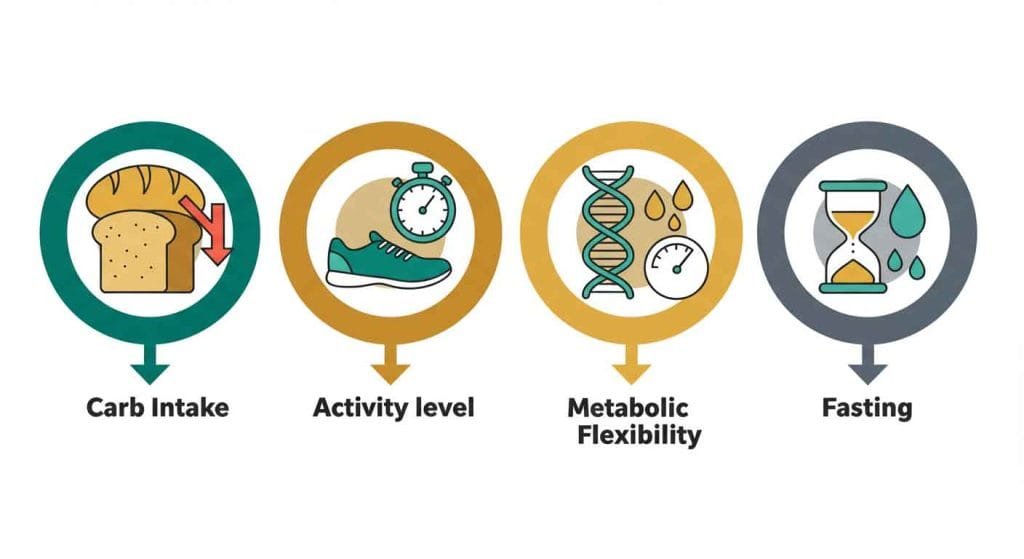
Here are a few key factors that affect how quickly you can get into ketosis:

  • Carbohydrate Intake: The fewer carbs you consume, the faster your body depletes glycogen stores and transitions to burning fat.
  • Activity Level: Exercise can speed up the process by using up glycogen stores more quickly.
  • Metabolic Flexibility: If your body is accustomed to using carbs as the primary energy source, it may take longer to adapt to burning fat.
  • Fasting or Fat Fasting: Short periods of fasting can help deplete glycogen stores faster, allowing you to enter ketosis more quickly.
How Long Does It Take to Get Into Ketosis on a Keto Diet?

How Long Does It Take to Get Into Ketosis on a Keto Diet?

When following a traditional keto diet, which limits carbohydrate intake to around 20–50 grams per day, most people enter ketosis within 3–7 days. Stick to high-fat, moderate-protein meals and avoid carb-heavy foods like bread, pasta, and sugary snacks. It’s crucial to track your macros during this period to ensure you’re staying on target.

How Long Does It Take When Fasting?

How Long Does It Take When Fasting?

Fasting is another way to expedite the transition into ketosis. When you fast, your body naturally turns to stored fat for energy after burning through glycogen stores. Many people can achieve ketosis within 24–48 hours when fasting, but the time may vary based on how much glycogen is stored in your body.

What About the Carnivore Diet?

If you’re on the carnivore diet, which consists of almost zero carbs and emphasizes meat and animal products, you may find yourself entering ketosis within 1–3 days. The minimal carb intake on this diet makes it a fast track to switching your fuel source.

Tips to Get Into Ketosis Faster

Tips to Get Into Ketosis Faster

If you’re eager to reach ketosis as quickly as possible, here are a few actionable strategies:

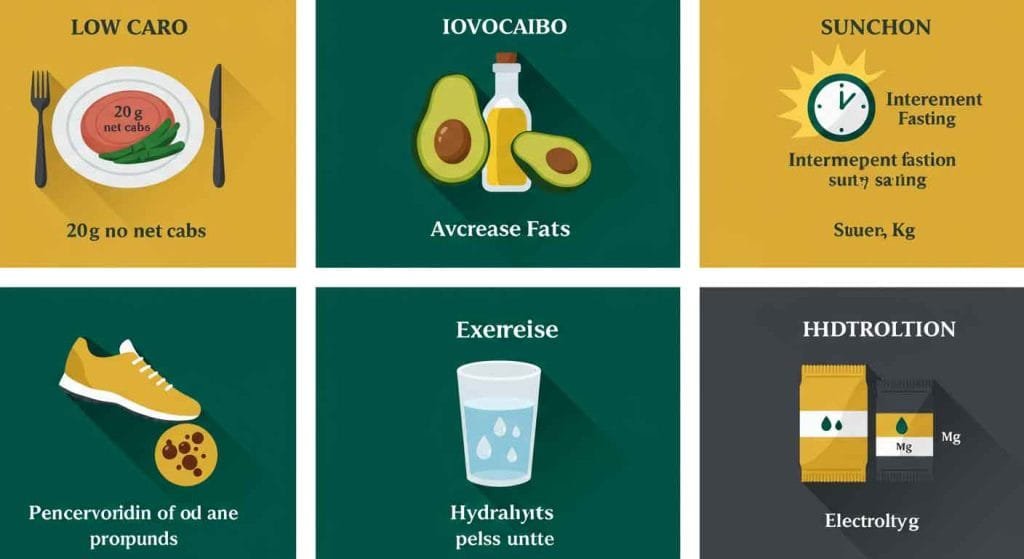
  1. Lower Your Carb Intake: Aim for 20–30 grams of net carbs or less daily.
  2. Increase Fat Intake: Focus on healthy fats such as avocado, olive oil, and nuts to fuel your body.
  3. Try Intermittent Fasting: Incorporating a fasting routine (16 hours of fasting followed by an 8-hour eating window) can help speed up the process.
  4. Exercise Regularly: Aerobic exercises such as jogging, cycling, or brisk walking can help deplete glycogen stores faster.
  5. Drink Plenty of Water: Proper hydration supports your body as it adapts to using fat as an energy source.
  6. Include Electrolytes: Sodium, potassium, and magnesium are essential to avoid the dreaded keto flu during the transition period.
How Do You Know You’re in Ketosis?

How Do You Know You’re in Ketosis?

You might notice several physical signs when you’re entering ketosis, including:

  • Bad Breath: This might not sound glamorous, but “keto breath” is often a sign you’ve reached ketosis.
  • Decreased Appetite: Many people report feeling less hungry since fat and protein keep you satiated longer.
  • Boosted Energy: Once your body adapts, you’ll likely feel more energetic and less prone to midday crashes.
  • Mental Clarity: With consistent energy from ketones, many experience sharper focus and concentration.

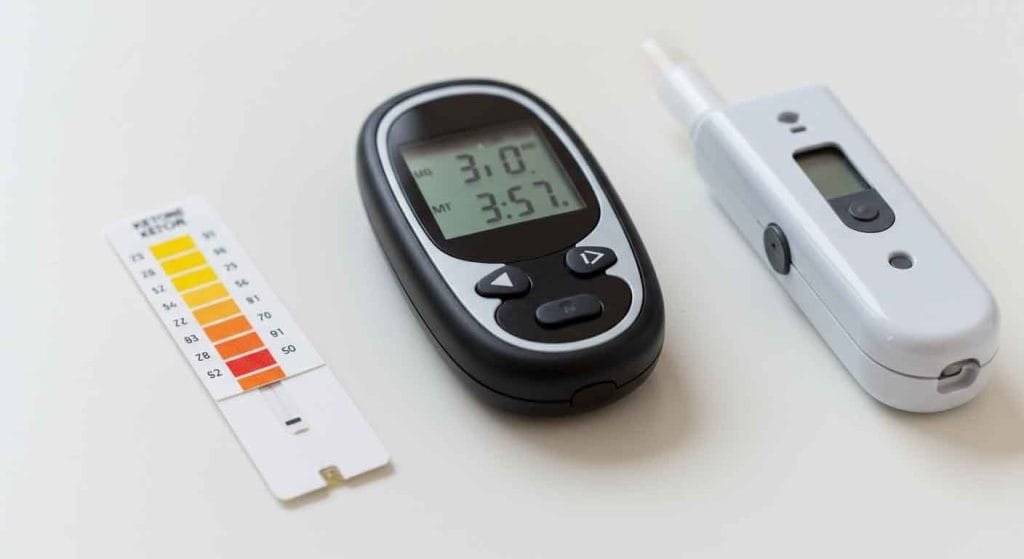
For more certainty, you can use tools like urine strips, blood ketone meters, or even breath analyzers to confirm whether you’re in ketosis.

Does a Cheat Day Affect Ketosis?

Does a Cheat Day Affect Ketosis?

A cheat day can knock you out of ketosis by replenishing glycogen stores and shifting your body back to burning carbs for energy. If that happens, it typically takes 2–3 days of strict keto to re-enter ketosis. Fasting or engaging in high-intensity exercise after a cheat day can help speed up the process.

FAQ About Ketosis and the Keto Diet

1. How long does it take to get into ketosis?

Typically, it takes 2 to 4 days to reach ketosis, but this depends on several factors, such as carb intake, activity level, and metabolism. For some, it may take up to a week, especially if they’re new to the keto diet or have consumed a lot of carbs recently. Staying consistent with your low-carb diet and increasing physical activity can speed up the process.

2. Does fasting help you get into ketosis faster?

Yes, fasting can help you get into ketosis more quickly. When you fast, your body uses up glycogen stores more rapidly, prompting it to switch to burning fat for energy. Intermittent fasting, in particular, is a popular strategy many keto followers use to kickstart ketosis.

3. Can I get into ketosis after a cheat day?

Absolutely, but it may take a little longer. How long it takes to get into ketosis after a cheat day depends on how many carbs you consume and how quickly you return to your keto routine. Typically, with strict adherence, you can get back into ketosis within 1 to 3 days.

4. What are the symptoms of ketosis?

The most common signs of ketosis include increased energy, reduced appetite, weight loss, and mental clarity. Some people also experience “keto breath” (a fruity smell), dry mouth, or more frequent urination when they first enter ketosis.

5. Can exercise help me get into ketosis faster?

Regular exercise can speed up the process by helping deplete your glycogen stores. High-intensity workouts burn through carbs quickly and encourage your body to switch to fat-burning mode.

6. Is it safe to stay in ketosis long-term?

For most healthy individuals, staying in ketosis long-term can be safe and offer several benefits, such as weight control and better blood sugar regulation. However, it’s essential to consult your healthcare provider to ensure it’s right for your unique health needs.

7. Can I enter ketosis on a carnivore diet?

Yes! The carnivore diet, which focuses on animal-based foods, is naturally very low in carbs. Many people find that they can reach ketosis on a carnivore diet within 2 to 4 days, much like the traditional keto approach.

8. How do I test if I’m in ketosis?

You can test for ketosis using urine strips, blood ketone meters, or breath analyzers. Blood ketone meters are the most accurate way to measure ketone levels and confirm you’ve entered ketosis.

9. What happens if I eat carbs while in ketosis?

Eating carbs while in ketosis can temporarily kick you out of this fat-burning state. However, by returning to a low-carb diet and limiting carbs, you can get back into ketosis within a few days.

10. Does everyone experience the “keto flu”?

Not everyone gets the “keto flu,” but if you do, symptoms may include headaches, fatigue, nausea, and irritability during your body’s adjustment period. Staying hydrated, getting enough electrolytes, and eating enough healthy fats can help ease these symptoms.

11. Can I drink alcohol while on the keto diet?

But choose low-carb options like dry wine or spirits (vodka, whiskey, etc.). Just be mindful of your portion sizes and how alcohol may slow down your progress in ketosis.

12. How many carbs should I eat to stay in ketosis?

Most people aim to stay under 20 to 50 grams of carbs per day to maintain ketosis. However, your carb threshold may vary depending on your metabolism and activity level.

Transform Your Health With Keto

Ketosis is a powerful metabolic state that can bring various health benefits, from weight loss to improved focus and energy. While the time it takes to achieve ketosis depends on factors like diet and activity level, the above tips can help you reach your goal more efficiently. Remember to stay hydrated, maintain proper electrolyte levels, and track your progress to ensure your success.

Looking for more ways to optimize your keto experience? Explore our [Meal Planning Tips for Beginners] or browse our [Low-Carb Snack Ideas]. Taking that extra step to plan will set you up for long-term success.

Your Next Steps in Your Keto Journey

Are you ready to start feeling your best? It’s time to take action. Whether you aim to lose weight, boost energy, or simply enjoy the benefits of a healthier metabolism, getting into ketosis is your first step. Check out our Custom Keto Meal Plans designed to fit your unique needs and preferences. We’ll guide you every step of the way.

Take control of your health and jumpstart your life with our keto meal plan today!

Sources

How Tom Segura Weight Loss Journey with the Keto Diet Can Inspire Your Transformation

0
Tom Segura Weight Loss Journey

Have you ever wondered how comedian Tom Segura dropped over 50 pounds and revamped his health? You’re not alone—his Tom Segura weight loss story has sparked curiosity across the internet. Spoiler alert: it involves the Keto Diet, a fat-burning powerhouse that’s taken the weight loss world by storm. In this article, we’ll unpack how the Keto Diet fueled Tom Segura’s weight loss, dive into its health perks and pitfalls, and reveal the sustainable habits that kept him on track. Whether you’re eyeing the Keto Diet or just hunting for some weight loss motivation, stick around—this guide’s got you covered.

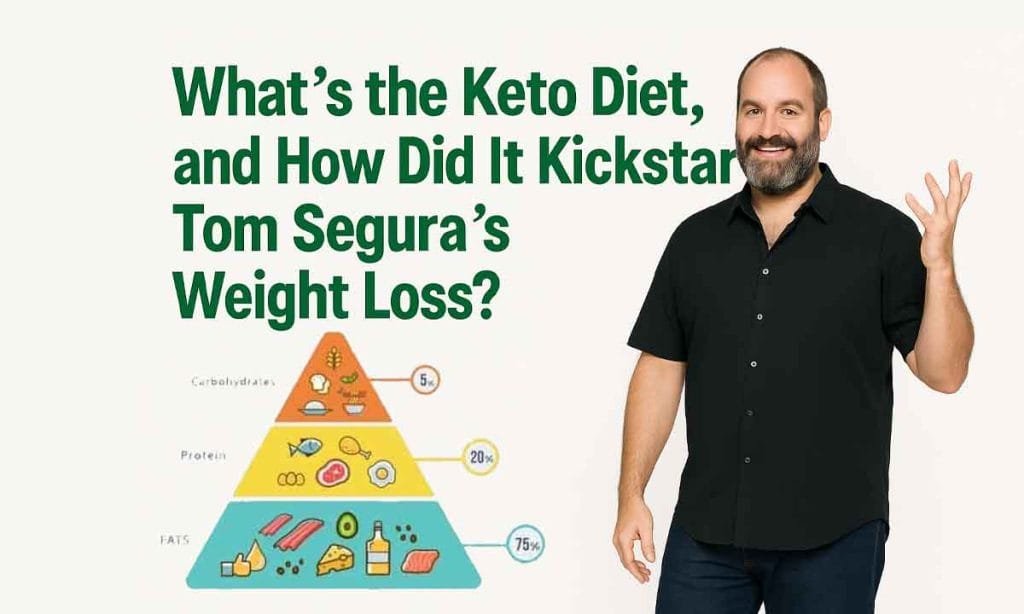
What’s the Keto Diet, and How Did It Kickstart Tom Segura’s Weight Loss?

What’s the Keto Diet, and How Did It Kickstart Tom Segura’s Weight Loss?

Imagine flipping a switch in your body: instead of burning carbs, it torches fat. That’s the Keto Diet in a nutshell. By slashing carbs and ramping up healthy fats, your body slips into ketosis—a state where it churns out ketones from fat to power you up. The result? Rapid weight loss, especially early on, as your body ditches water weight and taps into fat reserves.

But here’s the real kicker: Ketones don’t just burn fat—they curb your appetite too. Fewer cravings mean less snacking, making it easier to stick to your goals. Studies, like one from the Journal of Medical Internet Research Low-Carb Diets for Weight Loss, back this up, showing low-carb plans like Keto often outpace low-fat diets for quick results.

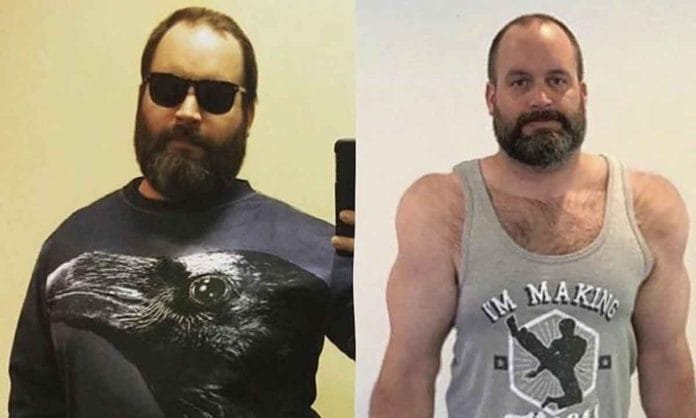
So, how does this tie into Tom Segura’s weight loss? He jumped on the Keto train and saw jaw-dropping changes, shedding over 50 pounds and trimming serious body fat. Check out Tom Segura’s before and after weight loss pictures, and you’ll see the transformation for yourself. But he’s candid about the struggle. In an interview with Muscle & Fitness How Tom Segura Lost Over 50 lbs, he admitted, “I felt like I was missing out on foods I loved.” While Keto sparked his journey, it wasn’t the whole story.

Curious about getting started? Our Beginner’s Guide to the Keto Diet breaks it down step-by-step.

The Health Upsides and Downsides of the Keto Diet

The Keto Diet isn’t just a weight loss trick—it’s got some serious health cred. But it’s not perfect. Let’s weigh the good against the not-so-good.

Health Benefits That Pack a Punch

  • Blood Sugar on Lock: Ditching carbs can steady your blood sugar, a game-changer for type 2 diabetes.
  • Heart Health Boost: Research hints at higher HDL (good) cholesterol and lower triglycerides—though long-term effects need more study.
  • Brain Power: Born to curb epilepsy seizures, Keto’s is now eyed for Alzheimer’s and Parkinson’s support.
  • Inflammation Fighter: Early data suggests ketosis might tame inflammation, easing various conditions.

Risks You Can’t Ignore

  • Nutrient Gaps: Skipping fruits and veggies can shortchange you on vitamins and minerals.
  • Kidney Trouble: High fat and protein might increase your kidney stone risk.
  • Heart Questions: Saturated fats raise eyebrows—could they harm your ticker over time?
  • Gut Woes: A fat overload can trigger constipation or diarrhea.

Here’s a quick snapshot:

BenefitsRisks
Fast weight lossNutrient deficiencies
Stable blood sugarKidney stone risk
Potential heart perksHeart disease concerns
Brain health supportDigestive hiccups

The Mayo Clinic Ketogenic Diet warns: Chat with a doctor before diving in, especially if you have health issues. Tom Segura’s weight loss journey shows Keto’s power—but also its limits.

How Tom Segura Made Weight Loss Stick for the Long Haul

Keto lit the fuse for Tom Segura’s weight loss, but sustainable habits kept the fire burning. After finding Keto too restrictive, he pivoted to a lifestyle he could live with.

Tom’s Winning Moves

  • Workout Warrior: He hit the gym twice daily with a trainer, blending strength and cardio. Even on tour, he stayed active.
  • Smart Eating: Swapping fast food for grilled options and keeping portions in check became his norm. Occasional treats? Allowed.
  • Staying the Course: Consistency trumps perfection, even with a busy comedian schedule.

This mirrors the CDC’s approach to Healthy Weight Loss: balance and activity beat fad diets for lasting results. Tom Segura’s weight loss wasn’t just a quick fix—it was a lifestyle reboot.

Want proof it works? His Tom Segura weight loss before and after shots speaks volumes. Inspired? Peek at our Weight Loss Success Stories for more real-life wins.

Your Turn: Tips to Start Keto Safely

Ready to channel Tom Segura’s weight loss vibe with Keto? Here’s how to do it right:

  1. Talk to a Pro: Got diabetes or kidney issues? A doctor’s green light is a must.
  2. Ease In: Cut carbs slowly to dodge the “keto flu”—think fatigue and headaches.
  3. Hydrate Hard: Water and electrolytes are your BFFs in ketosis.
  4. Tune In: Feeling off? Don’t tough it out—get advice.

Need a roadmap? Our Beginner’s Guide to the Keto Diet has your back.

A Day in the Keto Life: Sample Meal Plan

What’s Keto look like on your plate? Here’s a tasty, ketosis-friendly day:

MealFoodCarbs (g)Protein (g)Fat (g)
BreakfastAvocado and eggs51530
LunchGrilled chicken salad with olive oil103020
DinnerSalmon with broccoli and butter52530
SnackAlmonds6615

Low carbs, high fats, solid protein—perfect for mimicking Tom Segura’s weight loss kickstart.

Wrapping It Up: Lessons from Tom Segura’s Weight Loss Journey

Tom Segura’s weight loss saga proves one thing: the Keto Diet can spark a transformation, but lasting change is about habits you can keep. His shift from strict Keto to a balanced lifestyle—workouts, smarter eating, and consistency—nailed his 50-pound drop if you want to try Keto, loop in a healthcare pro first, especially with health conditions.

Small steps, big wins—that’s the takeaway. Ready to roll? Grab our free Keto Meal Plan or dive into Healthy Eating Tips for more tricks.


FAQ: Tom Segura’s Weight Loss and the Keto Diet

What is the Keto Diet, and how does it work for weight loss?

The Keto Diet is a low-carb, high-fat diet designed to put your body into ketosis. In this state, your body burns fat for energy instead of carbohydrates, producing ketones that help suppress appetite and accelerate fat loss. This leads to rapid weight loss, especially initially, as your body sheds water weight and taps into fat reserves. It’s a proven method for short-term results, often outperforming low-fat diets in the early stages.

How much weight did Tom Segura lose, and what role did the Keto Diet play?

Tom Segura dropped over 50 pounds, significantly improving his health and appearance. The Keto Diet was instrumental in jumpstarting this transformation by reducing his body fat percentage. However, he found its strict rules challenging to maintain long-term, eventually transitioning to a more balanced approach to keep the weight off.

What are the health benefits of the Keto Diet?

The Keto Diet offers several potential benefits:
Blood sugar control: Helpful for managing type 2 diabetes.
Heart health: May increase HDL (good) cholesterol and lower triglycerides.
Brain benefits: Originally developed for epilepsy, it’s now studied for Alzheimer’s and Parkinson’s.
Reduced inflammation: Early evidence suggests anti-inflammatory effects.
Long-term benefits are still under research, so it’s wise to proceed cautiously.

Are there any risks associated with the Keto Diet?

Yes, there are risks to consider:
Nutrient deficiencies: Cutting carbs can limit vitamins and minerals from fruits and veggies.
Kidney stones: High fat and protein intake may stress the kidneys.
Heart concerns: Saturated fats could pose risks over time.
Digestive issues: Some experience constipation or diarrhea.
Consulting a healthcare provider is a must before diving in.

What was Tom Segura’s long-term strategy for maintaining weight loss?

After using Keto to shed pounds, Tom Segura shifted gears:
Exercise: He committed to regular strength training and cardio, even on tour.
Mindful eating: He opted for healthier choices (like grilled foods) and controlled portions.
Flexibility: Occasional treats kept him from feeling deprived.
Rather than strict dieting, this sustainable mix became his recipe for lasting success.

How can I start the Keto Diet safely?

Here’s how to begin wisely:
Talk to a doctor: This is essential if you have health conditions.
Go slow: Gradually cut carbs to ease into ketosis and avoid the “keto flu” (fatigue, headaches).
Hydrate: Drink plenty of water and watch electrolytes, as ketosis can dehydrate you.
Listen up: If side effects feel extreme, get medical advice.
Starting smart sets you up for success.

Is the Keto Diet suitable for everyone?

Not quite. It’s not advised for people with:
Kidney disease
Liver problems
Certain metabolic disorders
A healthcare provider can confirm if it fits you—don’t guess.

What are some tips for losing weight after the initial Keto Diet phase?

To keep the pounds off:
Balance your plate: Move beyond strict Keto to a nutrient-rich diet.
Stay active: Regular exercise, like lifting or cardio, is crucial.
Keep it simple: Small, consistent habits—like portion control—beat drastic restrictions.

Tom Segura’s story proves that long-term success comes from lifestyle changes, not just a diet phase.

Meghan Trainor Weight Loss Journey: An Inspirational Transformation to Health

0
Meghan Trainor Weight Loss

Meghan Trainor has always been a beacon of body positivity, inspiring fans with hits like All About That Bass. But behind the scenes, the Grammy-winning singer faced her battles with weight and self-image, particularly after becoming a mom of two. You’re not alone if you’ve followed the buzz about Meghan Trainor weight loss. Her transformation is more than physical; it’s a powerful story of strength, resilience, and prioritizing her health.

Want to know how she did it? Stick around—we’re unpacking everything from her mindset shifts to the role of medication, fitness, and nutrition in her success.

Meghan Trainor Weight Loss Transformation

meghan trainor weight loss before and after

A Health-First Approach

When Meghan welcomed her first child, Riley, in 2021, she felt overwhelmed. Clocking in at her heaviest weight of 200 pounds, she faced insecurities around her postpartum body and the challenges of recovering from a C-section. But instead of letting self-doubt take over, she promised to prioritize health for her sake and her children.

Fast forward a few years, and Meghan Trainor is thriving. She’s lost an incredible 60 pounds, but what sets her transformation apart is her emphasis on why she did it. Her motivation wasn’t tied to societal standards but to having the energy to keep up with her kids and be a great mom. “I want to run, play, and climb a treehouse with my boys,” she said.

If Meghan’s story inspires you, it should remind you to focus on personal reasons for health goals, not external pressures.

How Meghan Trainor Lost Weight

Behind Meghan Trainor weight loss is a combination of science, discipline, and self-care. Here’s how she made it happen.

1. Mounjaro’s Role in Meghan Trainor’s Success

One tool Meghan used during her weight loss was Mounjaro, an FDA-approved medication designed initially for Type 2 diabetes. Mounjaro helps regulate hunger by mimicking hormones that control appetite and blood sugar, making it easier for users to stick to a calorie deficit.

Instead of relying on the drug alone, Meghan incorporated it as a strategy, alongside a healthy diet and exercise. Both Meghan and her husband, Daryl Sabara, used the medication under the supervision of healthcare providers, proving that professional guidance is vital when taking any weight-loss medicines.

Are you curious about trying options like Mounjaro? Selecting the right plan always starts with consulting a medical expert to assess what’s safe for your unique needs.

2. Strength Training for Weight Loss

Meghan focused on cardio for years, leaving her feeling drained and inflamed. During her weight-loss process, she discovered the power of strength training. Shifting her focus to lifting weights transformed her body and her energy levels.

Now, Meghan hits the weights three times a week, balancing those sessions with her busy schedule as a mom and artist. Strength training helped her tone muscles and boost her metabolism, allowing her to burn more calories even when at rest.

Are you not sure where to start? If you’re new to weights, begin by working with a fitness trainer or following beginner-friendly routines online.

3. Eating Smart with Protein-Packed Meals

Nutrition played a gigantic role in Meghan Trainor weight loss. She prioritized meals rich in protein, which keeps hunger in check and supports muscle recovery. Breakfast often included eggs and turkey bacon, while meal delivery services took the guesswork out of lunch and dinner.

Meghan’s focus wasn’t on crash diets but on sustainable eating. “I’m learning what portions look like and how to fuel my body properly,” she shared.

What You Can Learn from Meghan’s Diet Plan

  • Include a source of protein in every meal, like lean meats, tofu, or legumes.
  • Invest in meal prep or meal kits to simplify your week.
  • Avoid extreme restrictions—instead, find a balance that works for your lifestyle.

4. Making Mental Health a Priority

Perhaps most inspiring in Meghan’s weight-loss story is how she approached her mental health. Therapy became a key pillar of her transformation, helping her “rewire” negative self-talk and build a healthier relationship with her body.

Meghan describes exercise as her mental health superpower. “Moving my body makes my brain so happy,” she said in an interview. Whether lifting weights or running after her kids, focusing on physical activity helped her combat stress and stay balanced.

Mental Health Tips to Support Your Fitness Journey

  • Start journaling to track small wins, like more vigorous workouts or better sleep.
  • Practice daily affirmations to build self-confidence.
  • Surround yourself with a supportive community that cheers you on every step of the way.

The Results That Speak for Themselves

After sticking to her health-first mindset, Meghan Trainor successfully lost 60 pounds. But it’s about more than numbers on the scale. From hosting energetic performances to enjoying active days as a mom, her transformation unlocked newfound confidence and strength.

Meghan’s weight-loss story reminds us that progress takes time. She focused on losing just one pound a week, proving that slow and steady wins the race.

One Big Takeaway

“Your body is your home, and everyone’s body is different,” Meghan says. “Do what makes you feel the healthiest and happiest.” Her approach? Stay consistent with realistic goals rather than striving for unattainable perfection.

Can Meghan’s Journey Inspire Your Own?

Meghan Trainor weight loss inspires countless fans to think about health holistically. She’s proof that success doesn’t come from quick fixes or gimmicks. It’s about finding what works for you, staying consistent, and asking for guidance when needed.

Here’s How to Apply Meghan Trainor’s Lessons

  • Consult Your Doctor: Every health plan needs a professional opinion to ensure safety and effectiveness.
  • Explore Strength Training: It’s proven to build muscle, boost metabolism, and improve daily energy levels.
  • Break Down Goals: Don’t focus on overnight results. Progress should feel sustainable.
  • Care for Your Mind: Mental health is the foundation of lasting success, not an afterthought.

Want more wellness inspiration? Explore our articles on strength training for beginners or healthy meal prep tips.

Frequently Asked Questions (FAQs) About Meghan Trainor Weight Loss Journey

1. How much weight did Meghan Trainor lose?

Meghan Trainor successfully lost 60 pounds. Her approach focused on health and sustainability, and she shed approximately one pound per week through consistent effort.

2. What role did Mounjaro play in Meghan Trainor weight loss?

Mounjaro, a medication originally designed for Type 2 diabetes, helped Meghan regulate her appetite and maintain a calorie deficit. However, she used it under medical supervision as part of a broader plan that included a healthy diet and regular exercise.

3. Did Meghan Trainor do specific workouts to lose weight?

Yes! Meghan focused on strength training, working out three times a week to build lean muscle, boost her metabolism, and improve her overall fitness. She transitioned from cardio, which she felt left her inflamed, and embraced weights for long-term results.

4. What changes did Meghan make to her diet?

Meghan prioritized high-protein meals to support muscle recovery and manage hunger. She relied on meal delivery services to maintain portion control and consistently included healthy, balanced foods.

5. Did mental health play a role in Meghan Trainor’s transformation?

Absolutely. Meghan worked on her mental health through therapy, which helped her reframe negative self-talk and build a healthier relationship with her body. She also found exercise to be an essential tool for improving her mood and reducing stress.

6. Why did Meghan Trainor focus on weight loss?

Her motivation stemmed from wanting to have the energy and strength to be an active mom for her two young boys. She aimed to become the healthiest version of herself for her family and emphasized self-care over societal beauty standards.

7. Is Meghan Trainor’s routine suitable for beginners?

Yes. Her routine of strength training three times a week and eating balanced meals can be scaled to suit beginners. Starting with lighter weights or bodyweight exercises and incorporating manageable diet changes are great ways to begin.

8. What advice does Meghan Trainor offer about weight loss?

Meghan encourages focusing on health over perfection. She believes everyone’s body is different and stresses the importance of consistency, self-love, and seeking professional guidance for a tailored health plan.

9. How long did it take for Meghan Trainor to see results?

Her weight loss was gradual and steady, with one pound lost weekly. This approach underscores the importance of patience and long-term planning for sustainable results.

10. Can Mounjaro work for anyone looking to lose weight?

Mounjaro can be an effective tool for some individuals. Still, it’s critical to use it under the guidance of a healthcare provider. Not everyone is a candidate for this medication, so expert advice is necessary.

11. What can we learn from Meghan Trainor weight loss?

Meghan’s story teaches us that a holistic approach, which includes physical, mental, and emotional well-being, is key to sustainable health transformations. Her success highlights the importance of consistency, professional support, and focusing on personal goals over external pressures.

Want to explore more? Check out our articles on strength training tips for beginners and creating a sustainable diet plan for actionable strategies to start your healthy lifestyle!

Take That First Step Today

Suppose you’re ready to take control of your health. Meghan Trainor’s story shows that balancing personal growth with everyday life is possible. Whether you want to try weight training, tweak your diet, or get active with your family, the key is starting small.

The next step is yours. Are you ready? Contact a fitness trainer, dietitian, or healthcare provider to begin your personalized transformation today.

For more guidance, check out our related post on how to create a sustainable weight-loss plan.

Your best life is waiting. Get it!


Sources

Sumatra Slim Belly Tonic Review: Can This Supplement Help You Lose Weight Naturally?

0
Sumatra Slim Belly Tonic Review

Hey, Let’s Talk About Losing That Stubborn Belly Fat!

Are you fed up with battling those extra pounds that won’t budge? Maybe you’ve tried crash diets or killer workouts, only to feel frustrated and exhausted. Sound familiar? You’re not alone, and I have something exciting to share! Today, we’re digging into Sumatra Slim Belly Tonic, a dietary supplement that’s been turning heads in the weight loss industry. Could this be the natural solution you’ve been searching for? Let’s explore together and find out what makes this product tick!

Quick note: This post contains affiliate links. If you buy through them, I might earn a small commission at no extra cost to you.

Watch this in-depth review of Sumatra Slim Belly Tonic to learn about its benefits, features, and real user experiences. Discover how this natural formula can support your weight loss journey.

Sumatra Slim Belly Tonic

What Exactly is Sumatra Slim Belly Tonic?

Picture this: a supplement that helps you shed weight and catch better Z’s at night. Too good to be true? That’s the promise behind Sumatra Slim Belly Tonic. Unlike your typical weight loss pill, this tonic takes a fresh approach by tackling an often-ignored culprit—poor sleep. Skimping on rest can mess with your hunger hormones and slow your metabolism, making it more challenging to lose weight. With natural goodies like valerian root and berberine, Sumatra Slim Belly Tonic aims to improve sleep quality while kickstarting your body’s fat-burning engine. It’s non-GMO, allergen-free, and crafted in the USA under strict standards. You can only snag it from the official website—a smart move to dodge fakes!

How Can Sumatra Slim Belly Tonic Help You Lose Weight?

How Can Sumatra Slim Belly Tonic Help You Lose Weight?

So, what’s in it for you? Here’s why people are buzzing about Sumatra Slim Belly Tonic:

  • Fires Up Your Metabolism: Burns fat faster, even while you’re chilling.
  • Cuts Those Cravings: Helps you say “no thanks” to late-night snacks.
  • Boosts Sleep Quality: Wake up refreshed and ready to tackle the day.
  • Pumps Up Energy: No more midday slumps!
  • Bonus Perks: Think healthier skin and a happier heart.

It’s like a multitasking superhero for your wellness routine! Want to dig deeper into how sleep ties into weight loss? Check out our article on The Sleep-Weight Connection.

⭐ The Pros and Cons: What’s the Real Deal?

The Pros and Cons: What's the Real Deal?

Let’s keep it real—every product has its highs and lows. Here’s the scoop on Sumatra Slim Belly Tonic:

Pros

  • 🌿 All-natural ingredients—nothing sketchy here!
  • 🌙 Tackles weight loss and sleep in one go
  • 💊 Super easy to use (just two capsules before bed)
  • 🌟 Rave reviews (4.93/5 from 120,000+ users!)
  • 💵 90-day money-back guarantee—try it risk-free

⚠️ Cons

  • 🛒 Online-only purchase (no store shelves)
  • Results vary—patience might be key

👉 The pros shine, but heads up: stick to the official website to avoid knockoffs! 🔒

What Are People Saying About Sumatra Slim Belly Tonic?

Real users, real results—here’s what folks are sharing:

  • Laura J. dropped 26 pounds and feels like a new person.
  • Ben T. lost an incredible 42 pounds in six weeks—wow!
  • Leona W. shed 48 pounds and loves her glowing skin.

With a near-perfect 4.93/5 rating on the official site, Sumatra Slim Belly Tonic is winning fans left and right. But a word of caution: some third-party sites like Walmart have mixed reviews, often from fake products. One user got a weird red powder instead of the blue tonic—talk about a red flag! That’s why I always say, grab it from the official site—craving more success stories? Peek at our Inspiring Weight Loss Tales.

How to Use Sumatra Slim Belly Tonic Like a Pro

How to Use Sumatra Slim Belly Tonic Like a Pro

Ready to give it a whirl? It’s a breeze:

  1. Pop two capsules before bedtime.
  2. Seeing fast results? Drop to one capsule if you like.
  3. Keep it consistent for the best payoff.

It’s so simple, it slips right into your nightly wind-down—no fuss, no muss!

Why Pick Sumatra Slim Belly Tonic Over the Rest?

Here’s the kicker: Sumatra Slim Belly Tonic isn’t just another metabolism booster. Its sleep-focused angle sets it apart, helping your body reset naturally while you snooze. Combine that with its clean, natural formula and sky-high user ratings, and you’ve got a contender that’s hard to beat. Curious about other options? Our roundup of Top Natural Weight Loss Supplements (your-link-here) might catch your eye.

Where Can You Buy Sumatra Slim Belly Tonic Safely?

Don’t risk it with shady sellers—get Sumatra Slim Belly Tonic straight from the official website. Sure, you might spot it on Amazon or Walmart, but those are dicey bets with fakes floating around. The official site sweetens the deal with a 90-day money-back guarantee so that you can test it worry-free.

👉Ready to kickstart your weight loss? Click here to order Sumatra Slim Belly Tonic and see the difference!

Wrapping It Up: Is Sumatra Slim Belly Tonic Worth It?

Sumatra Slim Belly Tonic might be your new best friend if you’re after a natural, no-drama way to lose weight. Its clever sleep-weight combo, stellar reviews, and risk-free trial make it a solid pick for beginners and seasoned health buffs. Just snag it from the official website to keep it legit. Ready to ditch the belly fat and wake up feeling amazing? This could be your shot!

Still on the fence? Check out the latest deals here and decide if Sumatra Slim Belly Tonic is your next step to a slimmer, happier you.


FAQs About Sumatra Slim Belly Tonic

1. What is Sumatra Slim Belly Tonic, and how does it work?

Sumatra Slim Belly Tonic is a natural dietary supplement that helps you lose weight by focusing on something many overlook: sleep quality. Poor sleep can throw your hunger hormones out of whack and slow your metabolism, making weight loss more challenging. This tonic uses a blend of eight superfoods—like valerian root and berberine—to improve your sleep, rev up your metabolism, and curb cravings. It’s like a nightly tune-up for your body!

2. What are the key ingredients in Sumatra Slim Belly Tonic?

Here’s a quick rundown of the star players:
▶︎Valerian Root: Helps you relax and sleep better.
▶︎Berberine: Boosts metabolism and keeps blood sugar in check.
▶︎Spirulina Blue: Loaded with antioxidants to tame hunger.
▶︎5-HTP: Lifts your mood and supports deeper sleep.
▶︎Inulin: A fiber that promotes healthy digestion.
Together, these ingredients tackle weight loss from sleep, metabolism, and appetite angles.

3. How should I use Sumatra Slim Belly Tonic for best results?

It’s easy! Take two capsules before bed each night. If you start shedding pounds quickly, you can drop to one capsule. The key is sticking with it—make it a part of your bedtime routine, and let it work its magic while you rest.
4. Are there any known side effects of Sumatra Slim Belly Tonic?

The official site says Sumatra Slim Belly Tonic uses all-natural ingredients and has no reported side effects from thousands of users. That said, if you’ve got health conditions or take meds, check with your doctor first. And heads up: only buy from the official website to avoid fakes that might cause trouble.

5. Where can I purchase Sumatra Slim Belly Tonic?

You can grab Sumatra Slim Belly Tonic exclusively from the official website. This guarantees you’re getting the real stuff, not some shady knockoff. Bonus: They offer a 90-day money-back guarantee so that you can try it without worry.

6. Is Sumatra Slim Belly Tonic safe for everyone to use?

Thanks to its natural formula, it’s generally safe, but not for everyone. Are you pregnant or nursing? Do you have a medical condition? Talk to your doctor first. This tonic is made for adults wanting a natural weight loss edge, but safety comes first!

7. What do customer reviews say about Sumatra Slim Belly Tonic?

Users on the official site give it a stellar 4.93/5 from over 120,000 reviews! Take Laura, who lost 26 pounds, or Ben, who dropped 42 pounds in six weeks—both rave about more energy and better health. Some third-party sites show mixed feedback, but that’s often tied to counterfeit versions. Stick to the official website for the real deal.

8. Is there scientific research backing Sumatra Slim Belly Tonic?

The tonic hasn’t been put under a microscope in journals, but its ingredients have solid backing. Berberine, for instance, is known to help with blood sugar and metabolism, while valerian root is a proven sleep aid. It’s a brilliant combo of research-supported elements!

Jeanine Pirro Weight Loss and the Keto Diet: A Health-Focused Journey Worth Exploring

0
Jeanine Pirro Weight Loss

Imagine waking up each morning feeling lighter, more energized, and proud of the person you see in the mirror. That’s precisely what Jeanine Pirro weight loss represents: an inspiring story of resilience, discipline, and a healthier lifestyle. In this article, we’ll dive into her journey, unpack the science-backed benefits of the keto diet, and share practical tips—complete with helpful links to our Keto for Beginners guide and Keto Recipes collection—to help you achieve lasting success.


Jeanine Pirro Weight Loss: A Personal Triumph

1. Jeanine Pirro Weight Loss: A Personal Triumph

When Judge Jeanine Pirro decided it was time for a change, she didn’t just aim to shed pounds—she aimed to reclaim her health and confidence. By losing over 180 pounds, her transformation is a powerful reminder that sustainable habits can lead to life-changing results.

  • Starting Point: Reached 320 pounds and struggled with low energy and joint pain.
  • Turning Point: Committed to whole foods, regular movement, and expert support.
  • Result: Dropped to 140 pounds and gained renewed vitality.

Curious about the steps she took? Check out our detailed 4-Week Keto Meal Plan for structure and inspiration.


What Makes the Keto Diet So Effective?

2. What Makes the Keto Diet So Effective?

At its core, the ketogenic diet flips the body’s usual fuel source. Instead of relying on carbs, you shift into ketosis, burning fat for energy. Here’s why it works:

  1. Fat-Burning Mode: Low carbs (<10% of daily calories) reduce insulin and unlock stored fat.
  2. Steady Energy: Ketones provide a stable energy supply, curbing those mid-afternoon slumps.
  3. Hunger Control: High-fat meals keep you fuller, longer—no more constant snacking.
  4. Blood Sugar Balance: Many find improved glucose and insulin markers.

Ready to see how these benefits fit into your lifestyle? Visit our Keto Lifestyle Tips page for expert advice.


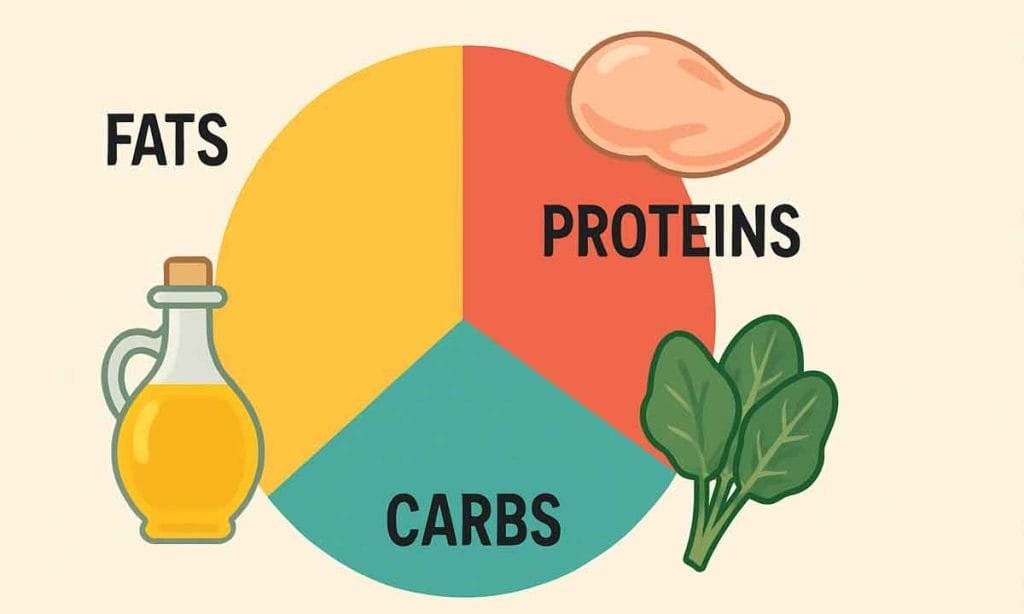
Your Keto Macro Guide

3. Your Keto Macro Guide

Balancing macros is key to keto success. Here’s a simple breakdown:

MacronutrientPercentageTip
Fats60–75%Choose avocados, nuts, and olive oil.
Protein20–25%Opt for lean meats, fish, and eggs.
Carbs5–10%Stick to leafy greens and berries.

For recipes that hit these targets, explore our Keto Recipes section.


Easy Steps to Start Today

4. Easy Steps to Start Today

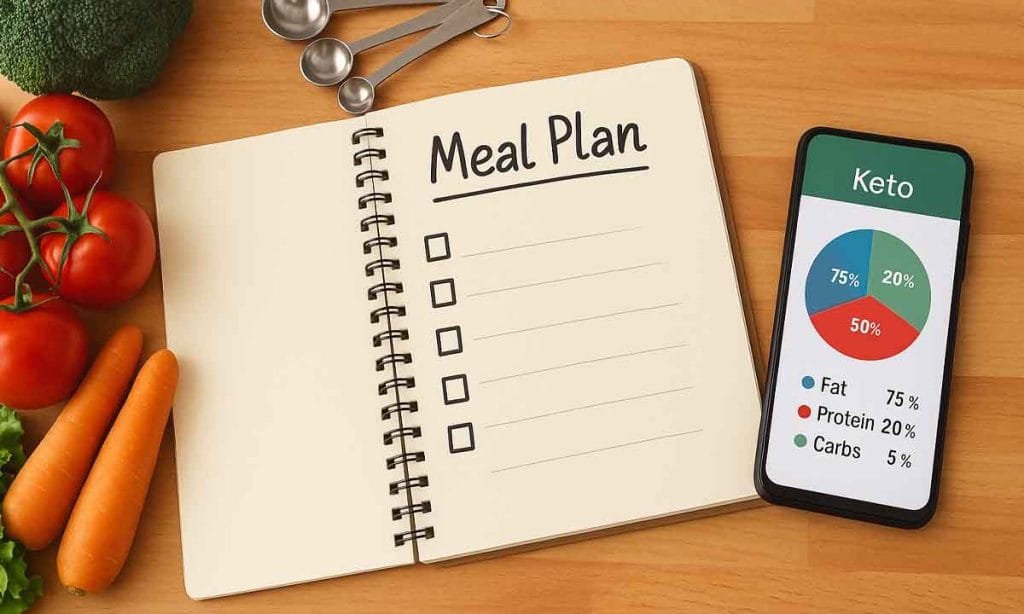
  1. Plan Your Meals: Use our downloadable Sample Menu to map out breakfast, lunch, and dinner.
  2. Stock Your Kitchen: Fill your pantry with low-carb staples, such as almond flour, coconut oil, and green veggies.
  3. Track Progress: Keep a food journal or use apps to monitor your macros and stay on target.
  4. Stay Hydrated: Electrolytes matter—add a pinch of sea salt to your water or sip bone broth.
  5. Seek Support: Join our Community Forum to share wins, ask questions, and find accountability.

These simple steps mirror Jeanine’s structured approach on her way to jeanine pirro weight loss success.


Avoiding Common Pitfalls

5. Avoiding Common Pitfalls

  • Not Eating Enough Veggies: You need fibre and micronutrients—even on keto.
  • Overloading on Processed Fats: Focus on whole-food fats for nutrient density.
  • Skipping Check-Ups: Regular labs ensure your lipid profile, kidney function, and electrolytes stay balanced.

Your health journey is unique—always consult a medical professional before major dietary shifts.


Frequently Asked Questions About Jeanine Pirro Weight Loss

What is the ketogenic diet and how does it aid Jeanine Pirro weight loss?

The ketogenic diet is a high-fat, moderate-protein, very low-carbohydrate eating plan that shifts your body into ketosis—burning fat for fuel instead of glucose. This metabolic state supports sustained energy, appetite control, and fat reduction, contributing to significant weight loss as seen in Jeanine Pirro’s journey.

How quickly can I expect to see results on keto?

Individual results vary, but many people notice initial weight loss within the first week (mostly water weight). When macros are balanced and calories are monitored, continued fat loss and health improvements often occur over 4–12 weeks.

Can I follow keto if I have a medical condition?

Always consult your healthcare provider before starting keto, especially if you have diabetes, kidney issues, or heart disease. Medical supervision ensures safe adjustments to medications and nutrient monitoring.

How do I prevent the keto flu?

To minimize flu-like symptoms (headache, fatigue, irritability), increase water intake and electrolytes—especially sodium, potassium, and magnesium. If needed, gradually reduce carbs rather than abruptly cut them.

Are there vegetarian or vegan keto options?

Yes! Swap animal proteins for tofu, tempeh, nuts, seeds, and low-carb plant-based protein powders. Focus on healthy fats like avocado, coconut, and olives, and include plenty of non-starchy veggies.

How do I track my macros effectively?

Use apps like MyFitnessPal or Carb Manager to log food and monitor macros. Aim for roughly 5–10% carbs, 20–25% protein, and 60–75% fats, adjusting based on personal goals and activity levels.

What are some simple keto-friendly snacks?

Try cheese crisps, hard-boiled eggs, avocado slices with lime, or a handful of nuts. These quick options align with the jeanine pirro weight loss macro framework.


Conclusion: Embrace Your Journey

Jeanine Pirro weight loss isn’t just a headline; it’s a roadmap. You can reclaim your health by combining a well-formulated keto diet, strategic meal planning, and consistent support. Ready to take the next step?

Call to Action: Download our free Beginner’s Keto Guide and schedule a quick chat with one of our nutrition coaches today. Let’s make your transformation story the next one we tell!


Sources

Are Sweet Potatoes Keto? The Truth About This Popular Veggie on a Low-Carb Diet

0
are sweet potatoes keto

Sweet potatoes: delicious, versatile, and packed with nutrients. But if you’re following the keto diet, you might wonder—are sweet potatoes keto-friendly? This question often pops up, especially since these vibrant root veggies seem wholesome. With its strict carb limits, the keto diet can turn food decisions into a puzzle, and sweet potatoes stir the pot. Let’s determine whether sweet potatoes can fit into your keto lifestyle, explore their nutritional profile, weigh the benefits and risks, and check out some excellent low-carb alternatives. By the end, you’ll know exactly where you stand on the big question: Are sweet potatoes keto?

What Is the Keto Diet, and Why Do Carbs Matter?

What Is the Keto Diet, and Why Do Carbs Matter?

First, let’s get a quick refresher on the keto diet. It’s a low-carb, high-fat way of eating that’s all about getting your body into ketosis. That’s the magic state where your body switches from burning carbs to torching fat for fuel, potentially leading to weight loss, better blood sugar control, and more energy. Pretty cool, right?

To make ketosis happen, you’ve got to keep your daily net carbs (total carbs minus fibre) between 20 and 50 grams. That’s a tight budget, so high-carb foods like sweet potatoes can feel like a risky splurge. So, are sweet potatoes keto? To answer that, we need to peek at what they’re bringing to the table—literally.


The Nutritional Breakdown: Are Sweet Potatoes Keto-Friendly?

The Nutritional Breakdown: Are Sweet Potatoes Keto-Friendly?

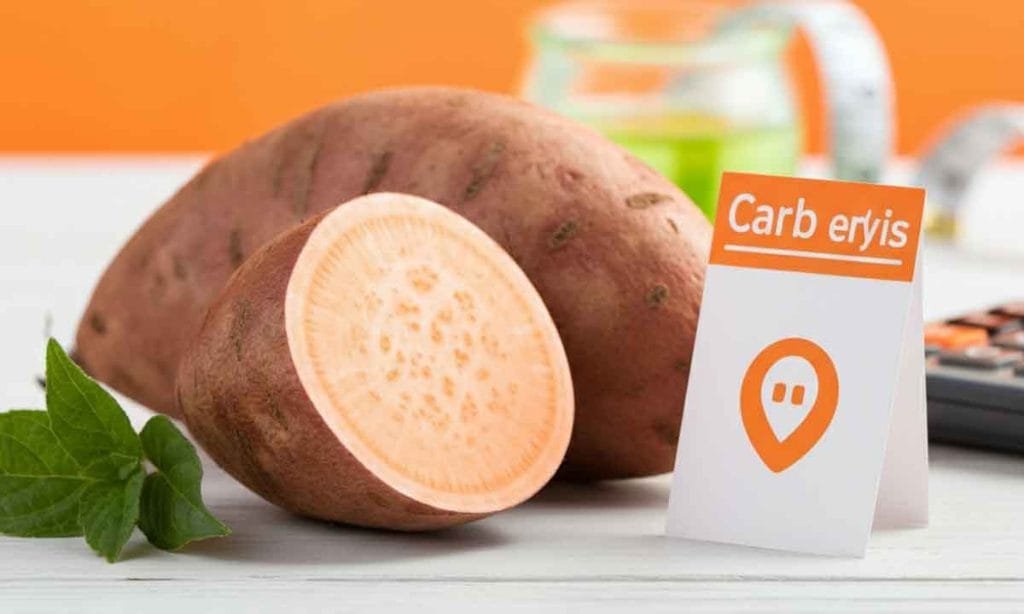
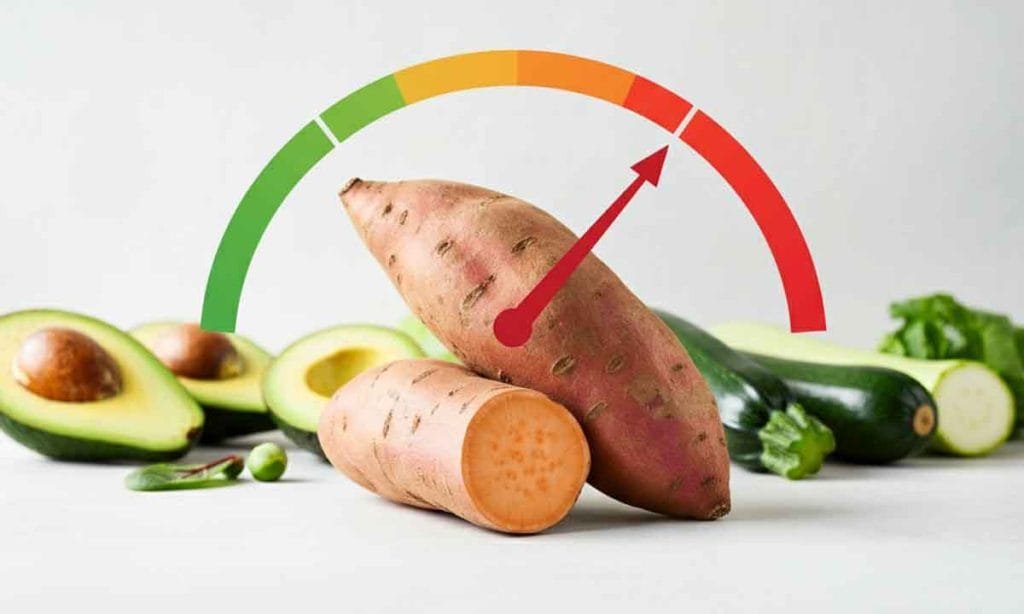
Let’s cut to the chase: Are sweet potatoes keto? The short answer is no, but there’s more to the story. Picture a medium sweet potato, about the size of your fist. Here’s what it’s packing:

  • Total carbs: 26 grams
  • Fibre: 4 grams
  • Net carbs: 22 grams
  • Protein: 2 grams
  • Fat: 0.1 grams
  • Calories: 86

That’s 22 grams of net carbs in one sweet potato—almost your entire daily allowance if you stick to a strict 20-30 gram keto limit. Even if you’re playing a bit looser with a 50-gram cap, nearly half your carbs are gone in one bite.

What about a smaller serving? Say you nibble on just 50 grams (a third of that medium spud). You’re looking at about 8.5 grams of net carbs. It could squeeze into your day, but you must be super disciplined with everything you eat. And let’s be real, sweet potatoes are so tasty, stopping at a tiny portion is easier said than done.

So, are sweet potatoes keto? For most folks on a strict keto diet, they’re a no-go. But a small taste might not ruin everything if you’re on a more relaxed low-carb plan or have some carb wiggle room. Still, it’s a tightrope walk!


Health Benefits of Sweet Potatoes: Why They’re Still Awesome

Health Benefits of Sweet Potatoes: Why They're Still Awesome

Okay, so sweet potatoes might not be keto stars, but they’re nutritional rockstars in their own right. Here’s why they shine outside the keto world:

  • Antioxidant champs: Loaded with beta-carotene, they’re great for your eyes, immune system, and skin.
  • Steady blood sugar: Red potatoes have a lower glycemic index than white potatoes, so they don’t spike your blood sugar as fast (a win for non-keto folks).
  • Happy gut: 4 grams of fibre keeps your digestion on track.
  • Immune boost: High in vitamins A and C, they’ve got your back when it comes to staying healthy.

For anyone not on keto, sweet potatoes are a total win. But if you’re asking, “Are sweet potatoes keto?” Their carb content is the elephant in the room. Want those nutrients on keto? Try low-carb champs like spinach or kale instead—check out our guide to the best keto veggies for more ideas.


The Risks of Eating Sweet Potatoes on Keto

The Risks of Eating Sweet Potatoes on Keto

So, what’s the big deal if you sneak a sweet potato onto your keto plate? Here’s what could go wrong:

  • Ketosis crash: Even a small serving might tip your carb count over the edge, kicking you out of that fat-burning zone.
  • Blood sugar wobble: Sure, they’re better than some carbs, but those 22 net carbs can still mess with your levels—tricky if you’re managing diabetes or insulin resistance.
  • Portion temptation: Sweet potatoes are deliciously addictive. Before you know it, one bite can turn into a whole tuber, and there goes your keto day.

And don’t get me started on recipes like sweet potato casserole with sugary toppings—those are carb bombs waiting to explode your keto goals. Bottom line: Are sweet potatoes keto? Not really, especially if ketosis is your priority.


Low-Carb Alternatives: Keto-Friendly Sweet Potato Swaps

Low-Carb Alternatives: Keto-Friendly Sweet Potato Swaps

Missing that sweet potato vibe? Good news—you don’t have to ditch the experience entirely. Here are some keto-approved swaps that keep carbs low and flavour high:

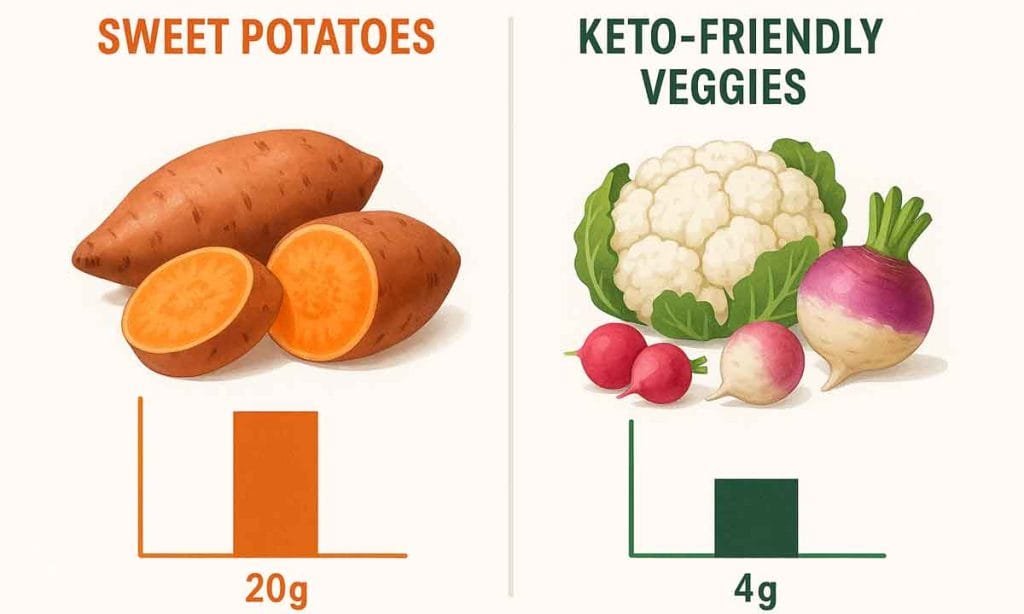
  • Radishes: Just 2.8 grams of net carbs per 100 grams. Roast or mash them for a sweet potato-like texture.
  • Jicama: At 5.9 grams of net carbs per 100 grams, it’s a bit higher but still works. It’s perfect for fries or salads.
  • Turnips: With 5.4 grams of net carbs per 100 grams, they’re mashable and roastable.
  • Cauliflower: The keto MVP with 2.7 grams of net carbs per 100 grams. Think mashed “potatoes” or casseroles.

These options save your carb count but bring their health perks—like cauliflower’s vitamin C or radishes’ potassium punch. Other tasty low-carb vegetable options include zucchini, asparagus, and bell peppers. Don’t overlook the power of leafy greens like spinach, kale, and arugula, which are packed with nutrients and add a delicious crunch to any dish.

When following a keto lifestyle, it’s important to focus on consuming healthy fats and limited carbohydrates. This is why incorporating vegetables into your meals is crucial. Not only do they provide essential vitamins and minerals, but they also add flavour and texture to your dishes.

One popular option among keto followers is cauliflower. This versatile vegetable can be used as a substitute for rice or mashed potatoes, making it an excellent choice for those looking to reduce their carb intake. It’s also high in vitamin C, which helps.


Sweet Potatoes vs. Alternatives: A Carb Comparison

Sweet Potatoes vs. Alternatives: A Carb Comparison

Still wondering why sweet potatoes don’t cut it? Check out this quick comparison:

VegetableNet Carbs (g/100g)
Sweet Potato17.1
Radish2.8
Jicama5.9
Turnip5.4
Cauliflower2.7

Sweet potatoes are carb heavyweights compared to these lightweights. If you’re serious about keto, these swaps are your new go-tos. One of the biggest challenges when following a keto diet is finding alternatives to carb-heavy foods. This is especially true for those who love starchy vegetables like sweet potatoes. While they may be delicious, sweet potatoes are unfortunately not keto-friendly due to their high carbohydrate content.

But fear not, because there are plenty of low-carb options that can satisfy your cravings and keep you on track with your keto lifestyle. These lightweights may not pack the same punch as sweet potatoes, but they offer their unique benefits and can still be enjoyed in many different ways.

Cauliflower is one of the most versatile substitutes for sweet potatoes. Not only does it have a similar texture when cooked, but it also has a much lower carbohydrate count. In fact,


Can Sweet Potatoes Ever Fit Into Keto?

Can Sweet Potatoes Ever Fit Into Keto?

You might think, “Can’t I make sweet potatoes work somehow?” It depends on your vibe:

  • Strict keto crew: Sorry, they’re off the table. Too risky for ketosis.
  • Flexible low-carb folks: A small nibble might fit if you’re cool with 50-100 grams of carbs daily. Just track it like a hawk and keep the rest of your day super low-carb.

But honestly, if ketosis is your goal, why gamble? There are too many tasty, safe options out there. Are sweet potatoes keto? Only in tiny doses, and even then, it’s a stretch.


FAQ: Are Sweet Potatoes Keto-Friendly?

1. Are sweet potatoes keto-friendly?

No, sweet potatoes are generally not keto-friendly due to their high carb content. A medium sweet potato (150g) has about 22g of net carbs, which can exceed or nearly meet the daily carb limit (20-50g) for ketosis. For strict keto dieters, they’re best avoided, but small portions might work for those with higher carb allowances.

2. How many carbs are in sweet potatoes?

A medium sweet potato (150g) contains 26g of total carbs, 4g of fibre, and 22g of net carbs. Per 100g, you’re looking at 17.1g of net carbs. This high carb count makes fitting sweet potatoes into a keto diet challenging. Check out our keto food list for low-carb alternatives.

3. Can I eat sweet potatoes on keto if I control the portion?

Possibly, but it’s tricky. A small serving (50g) has about 8.5g of net carbs, which could fit if you’re on a 50g daily carb limit and plan carefully. However, larger portions risk disrupting ketosis. Explore portion-friendly options in our keto meal planning guide.

4. What are the health benefits of sweet potatoes?

Sweet potatoes are packed with beta-carotene (great for eyes and immunity), vitamin C, fibre for gut health, and potassium for heart health. While these make them nutritious for non-keto diets, their carbs are less ideal. Discover other nutrient-rich foods in our keto nutrition tips.

5. What are some keto-friendly alternatives to sweet potatoes?

Low-carb veggies like cauliflower (2.7g net carbs/100g), radishes (2.8g net carbs/100g), turnips (5.4g net carbs/100g), and jicama (5.9g net carbs/100g) mimic sweet potatoes’ texture and flavour.

6. Will eating sweet potatoes kick me out of ketosis?

Yes, it’s likely. A medium sweet potato’s 22g of net carbs can push you over your daily carb limit, disrupting ketosis and halting fat-burning. Smaller amounts might be safer but still require careful tracking.

7. How can I prepare sweet potatoes to make them more keto-friendly?

You can’t make keto-friendly sweet potatoes, but you can minimise their impact. Roast them with keto-approved fats like butter or coconut oil instead of sugary toppings like brown sugar. Still, their carbs remain high, so consider low-carb alternatives.

8. Are sweet potatoes better than white potatoes for keto?

Slightly, but not by much. Sweet potatoes have a lower glycemic index and more nutrients than white potatoes (24g net carbs/100g), but their 17.1g net carbs/100g still make them unsuitable for most keto diets.

9. Can I eat sweet potatoes on a low-carb diet but not keto?

If your low-carb diet allows 50-100g of carbs daily, small portions of sweet potatoes can fit more easily than on strict keto. Always track carbs and consult a dietitian for personalised advice. Get started with our low-carb meal plans.

10. Where can I find more keto-friendly foods and recipes?

Check out our complete keto food list for a full rundown of keto-approved foods. Want to whip up something delicious? Browse our keto recipe collection for meals that keep you in ketosis and satisfy your cravings.

Note: Always consult a healthcare provider or dietitian before making dietary changes, especially if you have diabetes. Ready to dive deeper into keto? Download our free keto meal plan guide for recipes and tips!


Conclusion: Are Sweet Potatoes Keto? The Final Word

So, are sweet potatoes keto? For most of us, nope. With 17-22 grams of net carbs per serving, they’re too carb-heavy to play nice with a standard keto diet. They’re nutrient-packed and amazing for other lifestyles, but on keto, they’re like that friend who crashes your party and eats all the snacks—disruptive.

The good news? Radishes, jicama, turnips, and cauliflower are ready to step in and save the day. They bring flavour and texture without the carb chaos. Ready to dig into more keto goodness? Explore our ultimate keto veggie guide or whip up something tasty with our low-carb recipes.


Sources

Miranda Lambert Weight Loss Journey and How Keto Can Help You

0
Miranda Lambert Weight Loss

The buzz around Miranda Lambert weight loss transformation has people talking. Whether performing onstage or posting on social media, there’s no denying she looks incredible and radiates confidence. While Miranda hasn’t revealed all the details of her approach, some health experts speculate the Keto Diet might have been part of the puzzle. Why? Keto is gaining serious traction as a lifestyle that supports effective weight loss and overall health.

Could this diet help you, too? Keep reading to learn how keto works, why it’s unique, and how it could be the key to achieving your wellness goals.


Table of contents
  1. The Keto Diet in a Nutshell
  2. How Can Keto Aid in Weight Loss?
  3. Miranda Lambert Weight Loss Journey
  4. Why Is the Keto Diet About More Than Weight Loss?
  5. Your Ultimate Keto Meal Plan
  6. Tips for Sticking to the Keto Lifestyle
  7. Debunking Keto Myths
  8. How to Get Started
  9. Connect With Your Goals
  10. FAQs About Miranda Lambert Weight Loss and the Keto Diet
  11. Final Thoughts

The Keto Diet in a Nutshell

The Keto Diet in a Nutshell

What exactly is the Keto Diet? It’s more than a food trend; it’s a science-backed approach to switching your body into “fat-burning mode.” The diet is high in fat (the good kind), moderate in protein, and extremely low in carbohydrates. This pushes your body into ketosis, where it starts burning fat for energy instead of glucose from carbs.

Here’s the typical breakdown of macros for a keto meal plan:

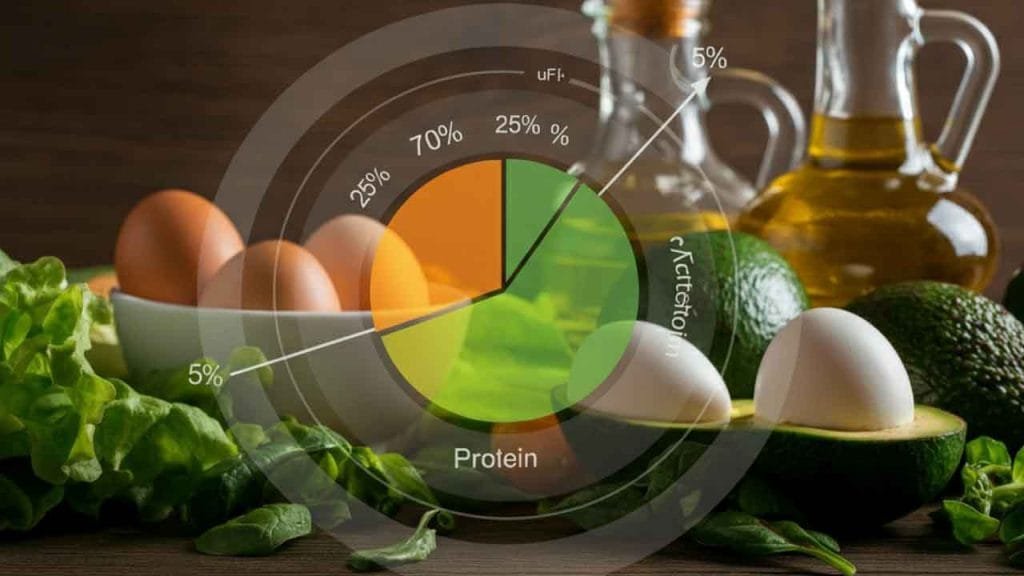
  • 70-75% fats
  • 20-25% protein
  • 5-10% carbohydrates

Cutting carbs this drastically might sound challenging, but it allows your body to use stored fat for fuel, which can jumpstart weight loss.


How Can Keto Aid in Weight Loss?

How Can Keto Aid in Weight Loss?

The Keto Diet offers several unique benefits beyond the typical calorie-cutting methods. It may help you shed the pounds and keep them off.

1. Feel Full Longer

Eating more healthy fats keeps you satisfied between meals. Think creamy avocados, crunchy almonds, or buttery salmon. These foods taste amazing and naturally curb hunger, helping you avoid constant snacking.

2. Burn Fat More Effectively

Once your body transitions into ketosis, it becomes a fat-burning machine. Instead of relying on carbs for energy, it pulls from your fat stores. This process is a game changer for steady, long-term weight loss.

3. Balance Your Insulin Levels

Lowering your carb intake also lowers insulin levels, which is linked to less fat storage. This balance helps prevent energy crashes and promotes a stable metabolism.

4. Consistent Energy All Day

Say goodbye to mid-afternoon slumps! Unlike high-carb diets that cause spikes (and crashes) in blood sugar, keto fuels your day with steady energy, keeping you on top of your game.


Miranda Lambert Weight Loss Journey

Miranda Lambert Weight Loss Journey

Miranda Lambert hasn’t disclosed explicitly that she is following the keto diet, but has been open about her commitment to a healthier lifestyle. She focused on eating better, balancing her portions, and staying active.

While her exact plan isn’t confirmed, her noticeable transformation aligns with many low-carb, clean-eating principles. Miranda proves that finding a sustainable routine that fits your lifestyle can make all the difference. And that’s what keto offers.

If you’ve admired Miranda’s results, consider starting your health routine inspired by her dedication!


Why Is the Keto Diet About More Than Weight Loss?

Why Is the Keto Diet About More Than Weight Loss

While shedding pounds might be your primary goal, the benefits of keto extend far beyond the scale.

1. Boost Your Heart Health

Swap out harmful trans fats in processed foods for heart-healthy fats like omega-3s found in salmon or walnuts. Many keto followers see better cholesterol and triglyceride levels over time.

2. Mental Clarity at Its Best

Ever feel foggy after a heavy carb-filled meal? Ketones (produced during ketosis) are an efficient fuel source for your brain, helping you focus and think clearly.

3. Stay in Control of Your Blood Sugar

By cutting carbs, you eliminate the highs and lows in blood sugar. This is great for stabilizing energy and is especially beneficial for people managing type 2 diabetes or insulin resistance.

4. Fight Chronic Inflammation

A proper keto diet reduces many of the inflammatory markers in the body, supporting joint health and overall well-being.


Your Ultimate Keto Meal Plan

Your Ultimate Keto Meal Plan

Want to try keto in a doable way? Check out this simple, delicious meal plan to kick-start your experience.

MealExample Options
BreakfastScrambled eggs cooked in butter paired with avocado slices.
LunchGrilled chicken salad with leafy greens, feta cheese, olives, and a drizzle of olive oil.
SnackA handful of walnuts or cucumber slices spread with cream cheese.
DinnerGrilled steak or baked salmon with roasted Brussels sprouts and a garlic butter sauce.
Dessert (Optional)Sugar-free chocolate or a quick keto-friendly mug cake (yes, dessert is still on the table!).

Remember, whole, unprocessed foods should be your go-to. This keeps your meals nutrient-packed while helping you avoid the temptation of carb-heavy options.


Tips for Sticking to the Keto Lifestyle

Starting keto can feel like a big adjustment, but these tips will make it easier to maintain:

1. Hydration is Key

Drinking water becomes even more critical on keto. Your body loses water faster in ketosis, so aim for at least 8–10 glasses daily and add some electrolytes.

2. Ease Into It

The first few weeks of keto might bring what’s known as the “keto flu” (think headaches, fatigue, or irritability). Combat these by eating potassium-rich foods like spinach and avocados.

3. Track Your Food

Apps like MyFitnessPal can help you ensure your macros stay on target. Monitoring your numbers simplifies the transition to low-carb eating.

4. Combine Keto with Exercise

Pairing your diet with physical activity, such as light weightlifting or yoga, can amplify your results and help you retain muscle while burning fat.

5. Consult a Pro

Not sure if keto is right for you? A healthcare provider or dietitian can guide you through a plan tailored to your needs and goals.


Debunking Keto Myths

Debunking Keto Myths

Myth #1: “Keto is Just Bacon and Butter”

Sure, some people optimize their meals for convenience, but a balanced keto diet is about whole foods and healthy fats. Think salmon, avocados, and plenty of veggies.

Myth #2: “It’s Too Hard to Follow Long-Term”

While giving up carbs takes some adjusting, the variety of keto-friendly substitutes (zucchini noodles or cauliflower rice, anyone?) makes it more practical than you might think.

Myth #3: “It’s Only for Weight Loss”

Keto’s benefits go far beyond the scale, helping with brain health, inflammation, and blood sugar regulation.


How to Get Started

How to Get Started

Taking the first step toward your keto journey is simpler than you think.

  1. Learn the Basics – Understand carbs, fats, and proteins in daily meals.
  2. Shop Smart – Stock your pantry with keto staples like olive oil, almond flour, leafy greens, and lean protein.
  3. Set a Goal – Whether it’s weight loss or more energy, knowing your “why” keeps you motivated.
  4. Track Progress – Using tools like a journal or an app lets you see how far you’ve come.
  5. Celebrate Victories—Whether you’re fitting into those jeans or feeling more vibrant, take note of every win (big or small).

Connect With Your Goals

If Miranda Lambert weight loss transformation inspires you, now’s the perfect time to create your plan. Keto offers a clear framework for weight loss and long-term health. Focus on eating wholesome, nutrient-rich foods, tracking your macros, and staying consistent.

Want to try keto? Download our [free keto meal plan], which is designed to simplify your first steps!


FAQs About Miranda Lambert Weight Loss and the Keto Diet

1. How does the Keto Diet work?

The Keto Diet limits your carbohydrate intake, so your body enters a state of ketosis. During ketosis, your body burns fat for energy instead of carbs, leading to weight loss and other health benefits. This is achieved by following a high-fat, moderate-protein, and low-carb diet. Want to learn more? Check out the section “How Can Keto Aid in Weight Loss?”

2. Did Miranda Lambert follow the Keto Diet for her weight loss?

While Miranda Lambert hasn’t publicly confirmed using the Keto Diet, her focus on portion control, healthier eating habits, and regular exercise aligns with many keto principles. Her transformation shows the impact of sustainable lifestyle changes.

3. What are the health benefits of the Keto Diet?

Beyond weight loss, the Keto Diet may help improve heart health, boost mental clarity, stabilize blood sugar levels, and reduce inflammation. It’s about more than cutting carbs; it’s a complete reset for your body’s energy system! For more, see “Why Is the Keto Diet About More Than Weight Loss?

4. Is the Keto Diet hard to follow?

The initial adjustment can be challenging, especially as your body adapts to using fat for fuel. Some people experience temporary symptoms like fatigue or headaches (commonly known as the “keto flu”). However, sticking to the diet becomes easier over time with meal planning, hydration, and patience. For tips, visit “Tips for Sticking to the Keto Lifestyle.”

5. Can I do the Keto Diet if I’m not trying to lose weight?

Yes! While weight loss is a common goal, keto improves energy levels, mental focus, and blood sugar control. It’s not just for people looking to shed pounds.

6. What foods can I eat on the Keto Diet?

Keto-friendly foods include healthy fats like avocados, nuts, and olive oil, moderate amounts of protein like eggs and fatty fish, and low-carb veggies like spinach and broccoli. Check out “Your Ultimate Keto Meal Plan for a sample meal plan.”

7. What should I avoid in the keto diet?

Avoid high-carb foods like bread, pasta, sugary snacks, and starchy vegetables (e.g., potatoes). Processed “keto” snacks can also deplete you of essential nutrients, so focus on whole, natural options instead.

8. How long does it take to see results on keto?

Many people notice weight loss within the first week, primarily due to water loss. However, fat loss typically ramps up after 2-3 weeks once the body fully adjusts to ketosis. Results vary depending on their starting point and how strictly they follow the diet.

9. Is the Keto Diet safe for everyone?

The Keto Diet is safe for many people, but may not suit everyone, especially those with certain medical conditions. Always consult your doctor or registered dietitian before starting any new eating plan.

10. Can I exercise while on the Keto Diet?

Absolutely! Combining light to moderate exercise, such as strength training or yoga, with keto can enhance weight loss and muscle retention. However, during the first weeks of transitioning to ketosis, you may need to stick to low-intensity workouts. Get more tips in “Combine Keto with Exercise.”

11. What is “keto flu,” and how can I manage it?

“Keto flu” refers to temporary symptoms like headaches, fatigue, or irritability as your body adjusts to low-carb eating. Staying hydrated, replenishing electrolytes, and eating enough healthy fats can minimize these effects.

12. How can I stay on track with keto while dining out?

Look for meals with protein and non-starchy vegetables, and ask for substitutes like extra greens instead of rice or pasta. Many restaurants now offer keto-friendly options, so don’t hesitate to ask!

13. What are some misconceptions about the Keto Diet?

Some common myths include that keto is only for weight loss, it’s unhealthy, or it’s too restrictive. However, it can be a sustainable lifestyle approach with plenty of variety if done correctly with clean, whole foods. Check out “Debunking Keto Myths” for more insight.

14. What tools can I use to succeed on the Keto Diet?

Tracking apps, meal prep guides, and keto cookbooks can be your greatest allies. To simplify your first week, download our [free keto meal plan].

15. How can I start my keto journey today?

Start by educating yourself and stocking up on keto staples like eggs, leafy greens, and olive oil. Set realistic goals, track your progress, and seek professional guidance. For a step-by-step guide, visit “How to Get Started.

Have more questions about keto? Explore the blog’s related content or contact your healthcare provider for personalized advice. Wherever you are on your wellness path, remember that small steps add significant results!


Final Thoughts

Miranda Lambert’s approach to health shows the power of a sustainable lifestyle. Whether or not keto was part of her routine, its health benefits speak for themselves. Focus on building habits that work for your unique goals; don’t be afraid to take that first step. With dedication and careful planning, you’ll achieve your version of success!

Call to Action
Feeling inspired? Why not start today? Consult your doctor to see if keto is right for you, stock up on essentials, and check out our [keto tips and tools] to simplify your transition. You’ve got this!

LivCare Reviews: Does This Liver Health Supplement Really Work?

0
LivCare Reviews

If you’re serious about keto, trimming carbs, or smashing your workouts, you’ve probably heard that weight loss isn’t just about diet and exercise. Your liver—your body’s natural detox engine—plays a starring role in how well you burn fat, process nutrients, and keep your energy high. That’s where LivCare Reviews come in. In this review, we’ll discuss why LivCare is grabbing attention in the liver-support world, explore its ingredients, weigh up real user experiences, and help you decide if it’s the missing piece in your fat-loss puzzle.

Disclaimer: This post contains affiliate links. If you choose to buy through them, I may earn a commission at no extra cost.

What Are LivCare Reviews Talking About? The Basics

What Are LivCare Reviews Talking About

When you look up LivCare Reviews online, you’ll notice a common theme: people want a natural way to keep their liver in top shape, boost metabolism, and dial in sustainable weight loss. LivCare is a 100% natural dietary supplement that promises to:

  • Detoxify the liver with milk thistle and dandelion root
  • Support metabolic health with berberine and green tea extract
  • Boost energy and digestion via artichoke extract and chicory root

Backed by FDA-registered, GMP-certified manufacturing in the USA, LivCare is non-GMO, gluten-free, and tailored for anyone, especially those over 35 or hitting a plateau, who wants to revive their liver’s fat-burning power. That’s why LivCare often mentions quick wins in digestion and energy.

Is LivCare a Scam or Legit? Real Reviews

Key Benefits in LivCare Reviews: What People Love

1. Comprehensive Liver Detox
Most highlight the liver-cleansing duo of milk thistle and artichoke extract. These herbs work together to remove toxins, making you feel lighter and more vibrant daily.

2. Revved-Up Metabolism
Berberine and green tea extract are fan favourites in LivCare Reviews for good reason—they help accelerate your metabolic engine, turning stored fat into usable energy.

3. Better Digestion & Energy
Many LivCare users mention less bloating and a natural energy boost thanks to turmeric and glutathione, which soothe inflammation and support gut health.

4. Well-Rounded Wellness
From stable blood sugar levels to improved sleep, thanks to antioxidants like resveratrol, LivCare often praises the holistic benefits beyond weight loss.


Pros & Cons From LivCare Reviews: An Honest Look

ProsCons
Natural, plant-based formula praised in many LivCare ReviewsOnly sold online—no store shelves
Key ingredients with clinical backingIndividual results vary based on lifestyle
Capsules are easy to take, consistent acrossPricey compared to single-ingredient supplements
Manufactured in FDA-registered, GMP-certified facilitiesInternational shipping may take longer

Real Authenticces: What LivCare Reviews Reveal

Scanning hundreds of LivCare Reviews gives us a snapshot of real results:

  • Sarah M., New York (5/5): “LivCare helped me drop 8 lbs in two months, and my digestion feels amazing!”
  • John D., California (5/5): “My liver markers improved, and I’m hitting PRS in the gym again.”
  • Emily R., Texas (4.5/5): “I’m less bloated and have more energy—just wish shipping was quicker.”
  • Mark L., Florida (4/5): “Good product, a bit pricey, but the liver support is real.”

These LivCare average a stellar 4.9/5 from over 6,000 users. Most people praise the energy boost, smooth digestion, and steady weight loss while noting price and delivery as minor drawbacks.


How to Maximise Results: A LivCare Reviews Guide

  1. Dosage: Take 1–2 capsules daily with water, ideally alongside a meal.
  2. Timing: Pick a routine time—morning with breakfast or evening with dinner—and stick to it.
  3. Commitment: For the best results mentioned in LivCare, consistently use it for 3–6 months.
  4. Lifestyle: Combine with a balanced keto or low-carb plan plus regular workouts.
  5. Safety: Always check with your doctor if you’re pregnant, nursing, on meds, or have health conditions.

Why So Many Positive LivCare Reviews?

Most weight-loss supplements rely on caffeine or other stimulants for a quick jolt. LivCare takes a different route—it champions liver health. LivCare Reviews often highlight how the synergistic blend of Mediterranean botanicals (like artichoke and milk thistle) and potent antioxidants (glutathione, resveratrol) supports your natural detox systems, instead of masking symptoms.

Additional perks echoed in LivCare Reviews:

  • Non-GMO & Gluten-Free: Ideal for diverse dietary needs
  • Science-Backed: Research links its key ingredients to better liver function and metabolism
  • Risk-Free Trial: 30-day money-back guarantee for peace of mind

It checks all the boxes if you’re searching “LivCare Reviews” for a science-driven, liver-focused approach to fat loss.


Frequently Asked Questions (FAQ)

What are LivCare Reviews saying about the supplement?

Most LivCare reviews praise its natural formula, highlighting ingredients like milk thistle, berberine, and green tea extract to support liver detox, boost metabolism, and improve energy.

How do I take LivCare to get the best results?

Take 1–2 capsules daily with a meal and a glass of water. Consistency is key—most positive LivCare Reviews recommend at least 3–6 months of use alongside a healthy diet and regular exercise.

Are there any side effects mentioned in LivCare Reviews?

LivCare’s plant-based ingredients are generally well tolerated. A few users note mild digestive changes initially. Always consult a healthcare professional if you have existing conditions or are on medication.

Is LivCare safe for everyone?

LivCare is non-GMO, gluten-free, and made in an FDA-registered, GMP-certified facility. However, pregnant or nursing women and people on prescription meds should talk to their doctor first.

Does LivCare come with a guarantee?

Yes—LivCare offers a 30-day money-back guarantee, so you can try it risk-free and see how it works for your liver health and weight goals.

Where can I buy LivCare?

LivCare is exclusively sold online through the official website, ensuring you get the authentic product and any available promotions.

How soon will I see results according to LivCare Reviews?

Individual experiences vary. Many users report noticeable improvements in energy and digestion within 2–4 weeks, and more significant liver-support and weight-loss benefits after 2–3 months of consistent use.


Conclusion: Will LivCare Work for You?

After combing through ingredients, benefits, scientific studies, and hundreds of LivCare Reviews, here’s the verdict: LivCare is more than a typical fat burner—it’s a thorough liver-support formula engineered to enhance metabolism, detoxification, and overall wellness.

While individual results differ, the overwhelming consensus in LivCare points to real improvements in energy, digestion, and weight management. If you’re over 35, stuck at a weight-loss plateau, or want to boost your vitality, LivCare deserves a spot in your supplement lineup.

Remember: Supplements work best alongside a healthy diet and consistent exercise. Always chat with your doctor to tailor your plan. Happy liver loving!


Sources

Sophia Umansky Weight Loss: Keto Diet vs. Mounjaro – What You Need to Know

0
sophia umansky weight loss

Hey there! If you’re trying to shed some pounds or love a good celebrity story, you’ve landed in the right spot. Today, we’re unpacking Sophia Umansky weight loss journey—yep, the daughter of Real Housewives of Beverly Hills star Kyle Richards. Sophia recently spilled the tea on TikTok about using Mounjaro, a weight loss medication, and the surprising side effects she faced, like hair loss. Pretty eye-opening, right? We’ll also dig into the keto diet, a popular weight loss method, to see how it compares. So, grab a coffee (or a keto-friendly snack) and explore what these approaches mean for your health!

Sophia Umansky Weight Loss Journey

Sophia Umansky Weight Loss Journey

Sophia Umansky isn’t shy about sharing her story. Known for her reality TV roots, she turned heads when she revealed Mounjaro helped her drop the pounds. Initially designed for type 2 diabetes, this medication curbs appetite and boosts insulin sensitivity—pretty handy for weight loss! But it wasn’t all smooth sailing. Sophia noticed significant hair loss, which she bravely showed off online. Her experience is a reminder that every weight loss method has its highs and lows. Curious how it compares to something like the keto diet? Let’s break it down.

Health Benefits of the Keto Diet for Weight Loss

Health Benefits of the Keto Diet for Weight Loss

The keto diet has been buzzing for years, and good reason—it can work wonders for weight loss. Here’s why people love it:

  • Fast Results: By slashing carbs and upping fats, your body enters ketosis, burning fat for fuel. That means quicker weight loss, especially at the start.
  • Blood Sugar Boost: If you’re managing type 2 or prediabetes, keto’s low-carb approach can steady your blood sugar.
  • Less Inflammation: Some research hints that keto might dial down inflammation, which could lower your risk for chronic issues.

Sounds great, right? But it’s not a one-size-fits-all deal. You’ll want to chat with a doctor before jumping in, especially if you’ve got other health stuff going on.

Risks and Downsides of the Keto Diet

Okay, let’s keep it real—keto isn’t perfect. Here are some things to watch out for:

  • Missing Nutrients: Cutting out fruits, veggies, and grains can leave you short on vitamins and minerals. Not ideal long-term!
  • Tummy Troubles: Low fiber might mean constipation, while all that fat could lead to diarrhea or bloating.
  • Heart Health Concerns: Consuming saturated fats (think butter and bacon) might raise LDL cholesterol, which isn’t great for your ticker.

The trick? Plan smart. Focus on nutrient-packed, low-carb foods and seek expert advice to avoid these pitfalls.

Keto Diet vs. Sophia Umansky’s Mounjaro Method

So, how does Sophia’s Mounjaro stack up against keto? Mounjaro is a quick fix—it suppresses hunger and tweaks your metabolism, leading to weight loss without the strict food rules. But that hair loss side effect? Yikes. Keto, on the other hand, is more of a lifestyle shift. You’re committing to a high-fat, low-carb way of eating, which takes discipline. Both can get results, but they’re different vibes—one’s a pill, the other’s a plate. Your choice depends on what fits your life (and your hair goals!).

Practical Tips for Safe Weight Loss

Whether you’re Team Keto or eyeing something like Mounjaro, here’s how to lose weight without losing your mind:

  1. Talk to a Pro: Before you start, get the green light from your doctor or a dietitian—safety first!
  2. Eat Smart: Eat whole foods that pack a nutritional punch, even if you’re cutting carbs.
  3. Listen to Your Body: Feeling off? Adjust your plan. Weight loss shouldn’t mean misery.
  4. Hydrate, Hydrate, Hydrate: Water’s your BFF for digestion and overall well-being.

Small steps, big wins—that’s the name of the game.

FAQ: Sophia Umansky Weight Loss and the Keto Diet

1. What weight loss method did Sophia Umansky use?

Sophia Umansky used Mounjaro, a medication originally designed for type 2 diabetes, to aid her weight loss. It’s also used off-label for weight management.

2. Did Sophia Umansky use the keto diet for her weight loss?

No, Sophia did not use the keto diet. She lost weight through Mounjaro, not dietary changes like keto.

3. What is Mounjaro, and how does it work for weight loss?

Mounjaro (tirzepatide) is a medication that reduces appetite and improves insulin sensitivity, helping with weight loss by making you feel fuller and managing blood sugar levels.

4. What side effects did Sophia Umansky experience from Mounjaro?

Sophia experienced significant hair loss, which she openly shared on social media as a downside of using the medication.

5. What is the keto diet, and how does it work?

The keto diet is a low-carb, high-fat diet that puts your body into ketosis, which burns fat for energy instead of carbohydrates.

6. What are the health benefits of the keto diet?

The keto diet can lead to rapid weight loss, better blood sugar control, and even help reduce inflammation.

7. What are the risks or downsides of the keto diet?

Potential risks include nutrient deficiencies, digestive issues (like constipation), and concerns about heart health due to high saturated fat intake.

8. How does the keto diet compare to Sophia Umansky’s method?

The keto diet is a lifestyle change that requires strict carb limits and careful planning, while Mounjaro is a medication that can lead to weight loss but may come with side effects like hair loss.

9. What are some practical tips for safe weight loss?

Before starting any weight loss plan, consult a healthcare provider, focus on nutrient-dense foods, listen to your body, and stay hydrated to support your health.

Wrapping It Up

Weight loss is super personal—what clicks for Sophia Umansky might not be your jam. The keto diet can kickstart fat-burning and boost your health, but it takes effort and care. Sophia’s Mounjaro story shows meds can work too, though side effects are part of the deal. Whatever you’re leaning toward, loop in a healthcare pro to make it work.

Ready to Get Started? Download our free keto meal plan or book a chat with your doctor to kick off your journey the right way.


Sources